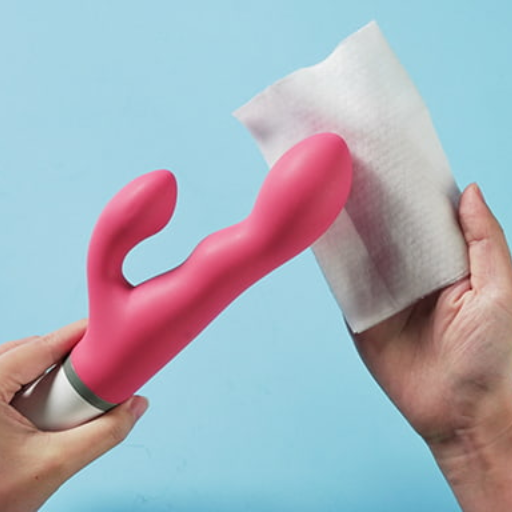

Vibrating nipple clamps combine adjustable pressure with targeted vibration to create a dual-sensation experience that standard clamps cannot match. For brands, they represent the fastest-growing segment in nipple-play accessories, but the engineering complexity behind a reliable, safe product is often underestimated.
The ZALO Nave, which costs $79, claims to provide 60 minutes of battery life. The device runs for 26 minutes when used at high settings according to independent testing, while its silicone attachment broke during its first usage. The difference between what was promised and what was delivered shows the importance of engineering work.
Most buyers assume vibrating nipple clamps are simply regular clamps with a motor added. The assumption results in financial losses for brands while it damages customer confidence and establishes dangerous conditions. The guide explains how premium vibrating nipple clamps differ from disposable products through their structural design, safety requirements, and production choices.
You will learn about device operation, suction method comparison, product certification requirements, and minimum order quantity determination for your brand. The principles below will help you make a confident, informed decision whether you are a consumer researching your first purchase or a procurement manager evaluating a new product line.
Key Takeaways
- Vibrating nipple clamps require precise motor tuning and waterproof sealing; most budget models fail on both.
- Premium features include dual-motor independent control, IPX7 waterproofing, and noise levels under 50 dB.
- Brands must secure UN38.3 battery certification and CE or FCC compliance before selling in major markets.
- OEM entry starts at 300 units, while custom ODM designs typically require 1,000+ units with 15–30 day lead times.
- Medical-grade silicone and 316L stainless steel are non-negotiable for body-safe, durable products.
Planning your own product line? Joyflick offers low-MOQ OEM starting at 300 units with full ISO-certified production and customizable vibration patterns. Explore our manufacturing services to see how we support emerging brands.
What Are Vibrating Nipple Clamps and How Do They Work?
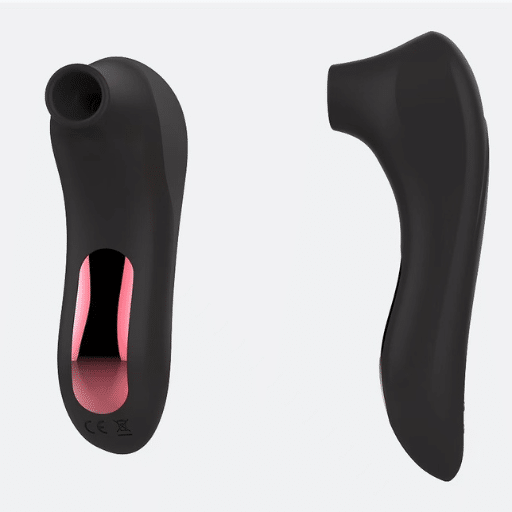
Vibrating nipple clamps are intimate accessories that apply controlled pressure to the nipple while delivering localized vibration through a built-in motor. These devices combine two forms of stimulation because they use mechanical pressure together with their built-in vibration system which produces different forms of active vibration from soft buzzing to powerful engine-like pulsating.
Anatomy of a Vibrating Nipple Clamp
The vibrating clamp operates through its three main systems, which work together to function. Three parts of the system operate as one to create the clamp mechanism, which grips tissue, the motor housing, which produces vibration, and the power system, which delivers energy while keeping a secure moisture barrier.
The clamp itself may use a tweezer design with a sliding ring, a screw-adjustable alligator style, or a magnetic closure. The different formats enable users to experience various pressure levels that operate at different pressure settings. The motor sits inside a compact housing attached to or integrated within the clamp arm. A single coin-style vibration motor serves most consumer models, whereas premium designs use dual motors for independent control of each clamp.
The battery and controller present the biggest engineering challenge. Most rechargeable models use lithium polymer batteries, but their placement requires careful thermal management. A controller needs full waterproofing to protect against water damage, which can result from using either a basic button or Bluetooth receiver. A single failed seal can destroy the electronics and create a safety hazard.
Note: Replace the embed above with your own product demonstration or an authoritative third-party safety guide before publishing.
How Vibration Transfers to Sensation
Small vibration motors operate at high frequencies, which range from 120 Hz to 250 Hz. The motor generates vibrations that create buzzy sounds at these frequencies through its compact housing design because the motor operates with restricted weight movement. Premium manufacturers solve this problem through three methods, which include motor frequency tuning, silicone dampening layer implementation, and dual offset motor construction for producing better vibration effects.
Sarah, a product designer in Berlin, first tested vibrating nipple clamps from her boutique brand during her product development work and discovered that an 12wholesaleunitandan12wholesaleunitandan18 unit from an ISO-certified partner showed immediate performance differences to her. The cheaper device felt like an electric toothbrush against her skin. The better-engineered model delivered a low, thuddy pulse which testers described as “more immersive.” The distinction existed between two products because motor selection and housing dampening created different results that did not depend on the price difference.
Vibrating Nipple Clamps vs. Regular Clamps: What Changes When You Add a Motor?
Adding vibration transforms a simple mechanical device into an electromechanical product. That shift affects everything from user experience to manufacturing cost and compliance requirements.
Sensation and Use Case
Regular clamps provide pressure-only stimulation. Users control intensity through their ability to change tension, which leads to immediate sensation loss when they take off the device. The vibrating nipple clamps combine vibration with pressure to create a system that enables users to experience both discomfort and amplified force at different pressure levels. This makes them attractive to beginners who want stimulation without extreme clamping force.
Couples also prefer vibrating models because they enable partners to engage in play together. The remote control system for vibrating nipple clamps enables one partner to change intensity settings without physical contact with the device while creating an unexpected element for distance play.
Manufacturing Complexity and Cost
A standard metal clamp costs roughly 1.80 to 6.00 to manufacture at scale. The addition of a motor battery charging circuit and waterproof seal increases the wholesale price to 8.00 for mid-tier models and 10.00 for premium wireless versions. The price multiplier reflects genuine engineering complexity, not just markup.
Battery integration testing requires UN38.3 testing for lithium cells and PCB design for charge management and molding for the USB port seal. Wireless models require Bluetooth module certification, which usually includes FCC certification in the United States and CE certification in the European Union. Market entry requires these upgrades because they serve as legal requirements.
| Feature | Regular Clamps | Vibrating Nipple Clamps |
|---|---|---|
| Sensation | Pressure only | Pressure + vibration |
| Power source | None required | USB rechargeable battery |
| Waterproofing | Not applicable | IPX4 to IPX7 required |
| Certifications | REACH, RoHS | REACH, RoHS, UN38.3, CE/FCC |
| Typical wholesale cost | 1.80–1.80–6.00 | 8.00–8.00–18.00 |
| Lead time | 8–15 days | 15–30 days |
Durability Expectations
Non-vibrating clamps can last for years with basic care. The lifetime of vibrating models depends on three factors, which include battery cycles, motor wear, and seal integrity. A well-built unit should deliver 300+ charge cycles before noticeable battery degradation. Budget models with poor seals often fail within weeks due to moisture ingress or motor burnout.
Vibrating Nipple Clamps vs. Suction Nipple Vibrators
Brands evaluating nipple-focused products must decide between two options. Should they stock vibrating clamps, suction vibrators, or both?
Suction nipple vibrators use air pressure to draw blood into the nipple, creating engorgement and sensitivity without mechanical compression. The devices provide a softer experience, which helps users handle clamp usage. The system needs a bigger engine, together with a pump system and a bigger silicone cup. The changes result in higher production costs while making the product less convenient to carry.
The use of vibrating nipple clamps enables users to achieve precise pressure control while maintaining a compact design. The product attracts customers who participate in bondage and sensory-play activities because clamping functions as more than basic stimulation. The production of clamps creates advantages for manufacturers since they need no vacuum seals or pump assemblies for large-scale production.
The choice for brand owners becomes important because their targeted audience determines their decision. Wellness-oriented consumers who want smooth self-development choose suction vibrators as their preferred product. Couples who practice BDSM and users who want different levels of intensity prefer vibrating clamps. Many successful brands stock both to cover the full spectrum of buyer intent.
Features That Define Premium Vibrating Nipple Clamps
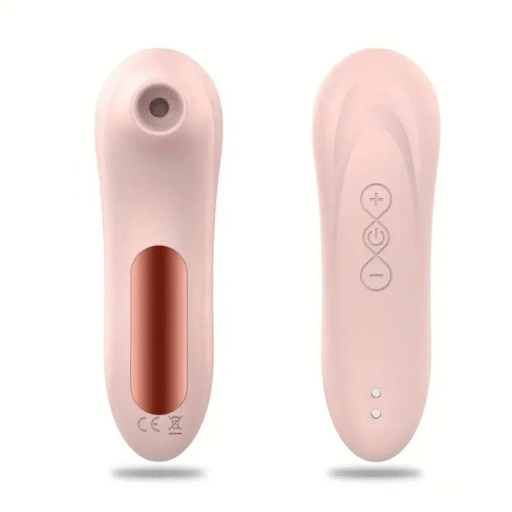
Not all vibrating nipple clamps deliver the same experience. The difference between a premium product and a disposable one lies in five specific engineering choices.
Vibration Modes and Motor Quality
The budget products use single-motor designs as their standard configuration. The devices provide users with one vibration pattern, and they can select from two different intensity levels. Premium models use dual motors with independent control, allowing users to set different patterns for each nipple. The system requires advanced PCB design work and firmware development, but it delivers an improved user experience.
Motor frequency matters more than raw speed. The motor produces an unpleasant sound when it operates at 200 Hz without any dampening. The same motor housed in a silicone-dampened chamber at 150 Hz feels deep and resonant. Leading manufacturers tune motor selection and housing geometry together rather than treating the motor as an off-the-shelf component.
Power and Battery Life
USB rechargeable lithium batteries are now standard. Capacity typically ranges from 120 mAh to 400 mAh, depending on motor draw and feature set. Real-world runtime varies from 30 minutes to 90 minutes per charge. Be cautious of advertised claims. The ZALO Nave promises 60 minutes but delivers 26 to 47 minutes in real testing, according to BedBible’s independent review.
Battery transparency builds trust. Brands that publish realistic runtime estimates, charge time, and cycle lifespan see higher review scores and lower return rates.
Waterproofing Standards
Waterproofing serves as the boundary that distinguishes durable products from those that will break. Most consumer vibrating nipple clamps achieve only IPX4, which means they protect against splashes, but they cannot withstand full water submersion. The IPX7-rated units allow for complete water submersion up to one meter depth during a period of 30 minutes, which makes them suitable for shower use and simplifies the cleaning process.
The process to achieve IPX7 requires precise molding techniques, which create gaskets and secure the housing seams through ultrasonic welding. The steps increase expenses, yet they provide significant advantages because they decrease warranty claims. Brand owners can use IPX7 certification as a competitive advantage because it allows them to charge higher prices for their products.
Control Options
The most straightforward and dependable button control method functions through manual operation. Wireless remotes provide partner play users with increased convenience because the remotes usually function between 10 and 15 meters. The Lovense Gemini app-controlled model enables users to play from remote locations while creating their own custom game patterns, but it requires them to navigate software complexities and obtain multiple certification tests.
The Lovense Gemini also illustrates a common trade-off. Independent testing recorded noise levels of 52 to 56 dB, noticeably louder than many users expect. Quiet motor engineering under 50 dB is a feature that manufacturers rarely advertise but experienced buyers increasingly value.
Adjustable Pressure
Vibration should not replace adjustability. The most advanced motor technology fails to resolve problems caused by clamps that either hold too tightly or become loose. Premium vibrating nipple clamps maintain their complete tension control through the use of sliding rings, screws, and spring mechanisms. The product functions effectively for people with different body shapes and various sensitivity levels.
Material Safety and Compliance for Vibrating Clamps
Because vibrating nipple clamps contain both body-contact components and active electronics, material selection is more complex than for non-vibrating alternatives.
Body-Safe Material Grades
Medical-grade silicone should cover any surface that touches skin. The surfaces that require coverage include clamp tips, motor housing overmold, and all flexible joints. Medical-grade formulations use platinum-cured manufacturing to create non-porous and hypoallergenic products that differ from industrial silicone. They maintain their effectiveness against bacterial growth while enduring multiple sterilization processes.
The design specifications for metal components require 316L stainless steel or nickel-free aluminum materials. The standard chrome-plated steel shows two problems because it can neither handle wear and tear nor handle problems that lead to nickel allergy skin reactions, which cause negative customer feedback. Internal structural parts may use ABS plastic, provided it is phthalate-free and rated for the operating temperatures of the motor and battery.
Electrical and Battery Safety
All products that contain a rechargeable lithium battery must follow UN38.3 transport testing requirements. The testing establishes safety protocols that protect the battery during transportation and everyday operational activities. The additional standards require compliance with IEC 62133 consumer battery safety requirements and UL 1642, which establishes cell-level safety standards.
Radio frequency certifications are essential for wireless products that need to operate through wireless communication systems. CE marking covers the European Economic Area, while FCC compliance is mandatory for the United States. The absence of these certifications results in customs seizing shipments, while retailers become responsible for legal claims.
Waterproof Testing Protocols
IPX ratings require official testing because they cannot be self-certified. Reputable manufacturers submit products to third-party labs that verify sealing under controlled conditions. IPX4 testing requires testing from multiple water splash angles. IPX7 testing requires full submersion. Ask your supplier for test reports before committing to a large order.
Certifications by Market
| Market | Required Certifications | Notes |
|---|---|---|
| European Union | CE, RoHS, REACH | REACH covers chemical safety beyond basic electronics |
| United States | FDA compliance, FCC (wireless) | FDA regulates products marketed for sexual wellness |
| Global baseline | ISO 9001, UN38.3 | Quality management and battery transport safety |
Manufacturing Considerations for Brands
Launching a line of vibrating nipple clamps requires decisions about sourcing strategy, cost structure, and quality control. Understanding these factors early prevents budget overruns and production delays.
OEM vs. ODM vs. Private Mold
OEM manufacturing uses existing catalog designs with your branding and packaging. The market entry process through this method operates as the quickest path, which requires minimum order quantities starting at 300 units. You select existing motor configurations and clamp designs for your product, which you will personalize with custom colors and logos, and retail packaging.
ODM manufacturing modifies an existing platform to your specifications. You might request a unique vibration pattern, a custom clamp shape, or a proprietary remote design. MOQs typically rise to 1,000 units, and lead times extend to 20 to 30 days while engineers validate the changes.
Private mold development creates an entirely new product from scratch. The method provides total product differentiation but demands equipment costs and minimum order quantities between 2000 and 5000 units. The lead time extends from 45 days to 60 days. Most emerging brands should start with OEM or ODM and graduate to private molds after validating demand.
Cost Drivers
The primary factor that affects motor quality has the most substantial impact on performance. Basic coin motors require only pennies for their purchase, while dual-motor systems with precision tuning cost multiple dollars. The total expenses increase through the addition of three components, which include battery capacity, Bluetooth modules, and IPX7 sealing technology. Most brands fail to comprehend the complete requirement of app integration because it needs both firmware development work and continuous system upkeep.
Lila started her boutique brand in Austin by purchasing vibrating nipple clamps from a cheap supplier who sold them at 9 per unit. Return costs consumed her profit. She now purchases from an ISO-certified partner who supplies products at 14 per unit along with appropriate seals and motor testing. Her return rate dropped to under 2 percent, and her average review score rose from 3.2 to 4.6 stars. The higher upfront cost saved her business.
Typical MOQs and Lead Times
| Sourcing Model | Typical MOQ | Lead Time | Best For |
|---|---|---|---|
| OEM (catalog + branding) | 300–500 units | 15–20 days | Market testing, emerging brands |
| ODM (custom features) | 1,000+ units | 20–30 days | Differentiated mid-tier lines |
| Private mold (new design) | 2,000–5,000 units | 45–60 days | Established brands, unique IP |
Quality Control Checkpoints
The manufacturing partner establishes its reliability through three essential inspection steps, which it executes during its production work. The incoming material inspection process confirms two things about the materials that are used in production: their silicone grades and their metal content. The inspection process, which happens during production, verifies two aspects of the motor system: its operational performance and its clamp system alignment. The final inspection procedure evaluates three system functions: waterproof protection, battery charging capability, and noise level performance. The pre-shipment inspection procedure verifies two aspects of the shipment package system: its packaging security and its label information correctness.
Joyflick maintains a six-stage inspection process that achieves a defect rate lower than 0.2 percent. The company tests every vibrating clamp that customers order through three different tests before they send it to customers.
Ready to develop your own line? The OEM and ODM services of Joyflick provide motor tuning services, custom vibration pattern design, and complete certification assistance. Our team requests that you contact us so we can assess your specifications and provide you with an accurate quotation.
How to Choose Vibrating Nipple Clamps: A Buyer’s Checklist

For Consumers
If you are buying for personal use, prioritize adjustability, material transparency, and waterproofing. See our guide to the best nipple clamps for tested recommendations across every budget. Look for medical-grade silicone labeling, not just “body-safe” marketing language. Verify that the clamp tension range suits your sensitivity. Check noise levels if discretion matters. Choose USB rechargeable models over disposable battery designs for long-term value.
For Brand Owners
The first step in product resale research requires you to examine the supplier’s certifications through an audit process. The organization must provide ISO 9001 documents together with battery testing results and waterproofing certification. The evaluation process requires testing sample units to assess motor performance and seal strength, and charging system dependability. The assessment must prove that the supplier has the capacity to meet both current needs and future expansion requirements.
Key sourcing criteria:
- Verified ISO 9001 and GMP certifications
- UN38.3 battery test reports
- IPX rating documentation from third-party labs
- Realistic battery life data, not marketing claims
- Warranty terms and return policy clarity
- Ability to customize branding, packaging, and vibration patterns
Safety Guidelines for Beginners
Vibrating nipple clamps are safe when used correctly, but beginners should follow specific protocols to avoid discomfort or injury.
Time Limits
Begin with five to ten minutes for each session. Users who have intermediate skills should extend their practice time to fifteen or twenty minutes. Advanced users should still limit continuous wear to thirty minutes. Prolonging compression results in blood flow restrictions, which may lead to tissue damage. The use of clamps during sleep must be avoided at all times.
Placement and Pressure
The clamp needs to be placed at the base of the areola instead of only the nipple tip. The method establishes pressure over a larger area, which helps to protect against targeted injuries. Start with the least amount of tension available. Only increase the tension when you still feel comfortable with the current level.
Toronto first-timer Marcus made the typical error when he used maximum tension because he believed that increased pressure would enhance his pleasure. He took off the clamps after four minutes because his skin showed signs of pain and discoloration. He began at the minimum setting after he read the appropriate guidelines using a five-minute timer. He could easily handle fifteen-minute sessions after two weeks. The lesson is simple: start low, go slow, and respect your body’s signals.
Cleaning Protocols
You can clean IPX7 waterproof models by rinsing them with warm water and using mild fragrance-free soap. Users should clean IPX4 splash-resistant models by wiping them with a damp cloth because this method prevents water from reaching the charging port. Users need to complete full drying before they start charging their devices. You should keep your item in a pouch that allows air circulation while you protect it from direct sunlight and extreme heat.
Contraindications
People who have piercings in the area or experience nerve sensitivity disorders, or have circulatory conditions or broken skin, should avoid using vibrating nipple clamps. The product should be taken off at once when there are symptoms of numbness or sharp pain, or any skin color changes that exceed mild reddening. People should see a doctor when they need help understanding how these products will affect their existing medical conditions.
To explore safe usage practices in more detail, see our complete guide on how to use nipple clamps safely.
Conclusion
The market for intimate accessories shows rapid expansion through vibrating nipple clamps, which represent one of its key growth areas. The product’s dual functionality through its pressure and vibration mechanism proves attractive to all three user groups, which include beginners and experienced users. The difference between products that create brand loyalty and those that produce financial returns relies on engineering specifications that stay hidden from most consumers.
The terms motor tuning, waterproof sealing, battery certification, and material grade do not function as marketing terms. These elements form the technical base that enables a product to deliver the expected results. Companies that establish correct production processes from their initial stage save themselves from incurring expensive costs associated with warranty claims, negative customer feedback, and changing suppliers.
Consumers must prioritize verifiable product quality when selecting their initial footwear, while brand owners need to establish their upcoming product range through verified quality assessments instead of price reduction strategies. Companies should search for ISO-certified partners while asking for test documents and demanding accurate performance assessment criteria. The brands that succeed in this market segment treat vibrating nipple clamps as high-precision items instead of standard accessory products.
Are you ready to launch your own product line? Joyflick uses 50plus patented technologies together with ISO-certified production to offer customers low-minimum-order-quantity entry points, which start from 300 units. Our company assists brands in developing premium vibrating nipple clamps through our custom vibration patterns and complete IPX7 waterproofing solution. Please submit your request for a quote today to learn how our OEM/ODM services will support your upcoming product development launch.