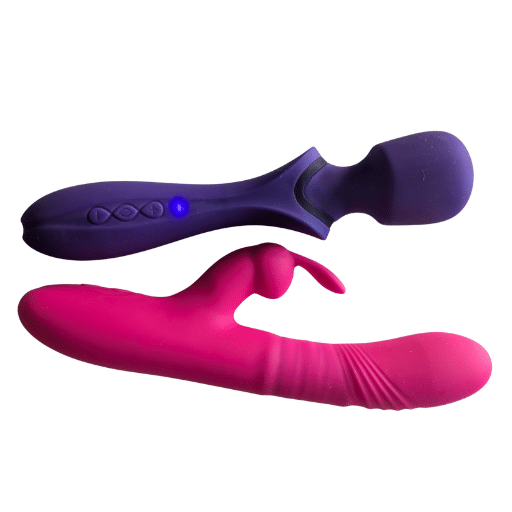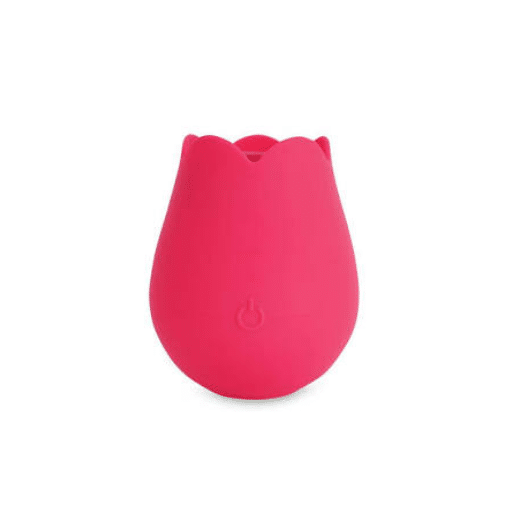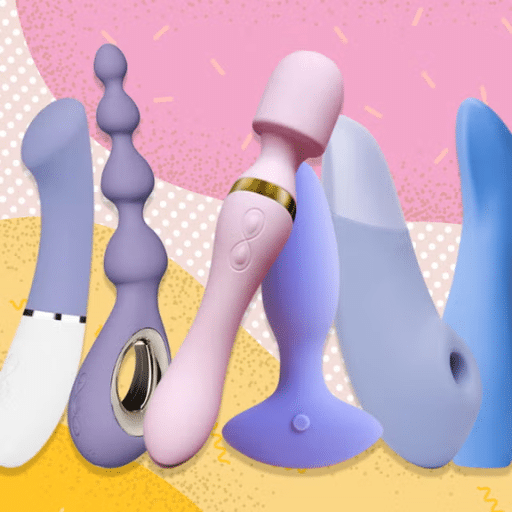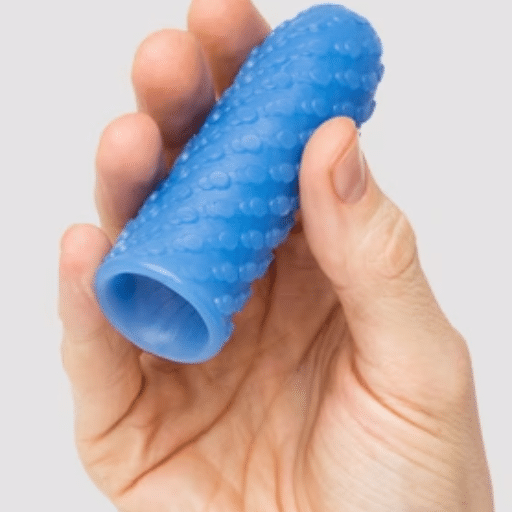

The adult toy industry is often shrouded in secrecy, but it is a thriving, innovative sector driven by cutting-edge technology, meticulous craftsmanship, and an unwavering commitment to safety and quality. Have you ever wondered how these intimate products are designed, tested, and brought to market? This article takes you behind the scenes of the adult toy manufacturing process, breaking down each stage from conceptualization to production. Whether you’re curious about the engineering behind popular designs or the rigorous safety standards they must meet, this detailed exploration will unveil the intricate work happening in an industry built to enhance human intimacy and satisfaction. Get ready to discover the fascinating world of sex toy manufacturing and gain a newfound appreciation for the expertise and precision involved in creating these modern innovations.
What Does a Sex Toy Manufacturer Do?

Understanding the Adult Toy Manufacturing Process
The manufacturing process for an adult toy involves several key stages to ensure that the products are safe for use, work well, and meet consumer expectations. Usually, it starts with the design phase, which is concerned with concept development based on market research, user feedback, and current trends of innovation. This stage includes issues of ergonomics, materials, and functionalities with the ultimate goal of arriving at a prototype that meets user considerations and requests. Testing of the prototype for usability and comfort usually follows, and once the product design is finalized, it is sent to production.
With the design in hand, the next step involves selecting the right materials. Most products employ some of the following: medical-grade silicone, ABS plastics, or stainless steel-sometimes in combinations. They are guaranteed to be toxin-free, hypoallergenic, resistant to any stains, and above all, durable. Production techniques may be injection molding or additive manufacturing, where the aim is to make sure that the products are reliable and even beautifully designed. At the same time, manufacturers have strict quality control measures to ensure that no defective products leave the factory.
Going into the final stage, after the phase of stringent testing and certification of compliance with manufacturing, considers packaging design as well as branding in a style that meets consumer expectations as well as industry trends. Subsequently, unpacking will be left in the hands of the retailers or through some distribution means that go directly to consumers.
The Role of Toy Manufacturers in the Toy Industry
Toy manufacturers are essentially the backbone of the global toy industry. The toy manufacturers are in charge of designing, producing, and distributing toys that should adhere to the safety standards set out and fulfill the demand of the consumers. At the very beginning, the manufacturer’s primary concern is research and development, turning new ideas into prototypes that work. This stage demands knowledge about current market trends, child development needs, and regulatory requirements. If products fulfill these criteria, manufacturers are one of the essential agents to ensure that children get toys that are entertaining, age-appropriate, and safe.
Toy manufacturers are responsible for ensuring that their products go through stringent quality assurance processes, whereby toys are subjected to testing to ensure conformity with safety regulations. Materials used should be non-toxic and durable, and must not pose any choking hazards to their young consumers. Adhering to the standards in manufacturing only gains customer confidence and further strengthens the industry’s resolve on child safety.
Supply chain management is another area where toy manufacturers are deeply involved, from manufacturing all the way to distribution. In collaboration with retailers and wholesalers, manufacturers work to ensure that toys are available on the shelves of physical stores and online marketplaces alike. Manufacturers also participate in branding and packaging initiatives that appeal to consumer attention while highlighting essential product features. Strong logistical and marketing capabilities enable manufacturers to meet demand in a timely fashion, making toys highly available and rather affordable. By controlling each stage of the process, toy manufacturers hold the development and success of the toy business in their hands.
Key Challenges Faced by Sex Toy Manufacturers
The manufacturers in the wild, sex-toy production is becoming an extremely competitive and complex environment where many challenges act as brakes on their ability to manufacture, distribute, and make profits. One major headache is the varying legal and regulatory regimes applicable in various countries and regions. Many jurisdictions hold strict laws about the building, selling, and promoting of adult products, compelling manufacturers to adhere to hefty, yet contradictory, regulations. Being in non-compliance can land you with hefty fines, recalls of your products, or blocked entry to certain markets-as such, it’s always big on the knowledge of compliance issues.
Another gargantuan hurdle comes from safety and quality assurance measures, along with providing unique designs. Because sexual toys are often intended for intimate use, sex toys must adhere to strictly articulated health and safety standards. Manufacturers have to put enormous investments into research, testing of materials, and quality control processes to ensure that their products are non-toxic, hypoallergenic, and long-lasting. The increasing call for the use of sustainable and body-safe materials complicates the manufacturing process even further since companies have to weigh their ecological conscience against production expenditures.
Lastly, societal stigma and an absence of acceptance represent a singular challenge for the industry. While societal attitudes toward adult products are changing, there are still certain taboos that many cultures and markets have upheld. Advertisements can thus become scarce; there will be difficulties partnering with the retail outlets, and mainstream e-commerce channels might experience the constraints of putting these products out there. Manufacturers must plan strategic marketing campaigns to normalize their products within the framework of cultural sensitivity so that the message can be carried forth to the end consumers.
How Are Adult Toys Made?

From Prototype to Production
The journey toward the making of adult toys follows a very immaculate and deliberate process, whereby it combines advanced technology and skilled workmanship to ensure customer safety and product functionality. In product ideation, market research, consumer feedback, and current trends shape new designs. CAD software is commonly used to create detailed prototypes so manufacturers can see and refine every element of the product. CAD models are often used in tandem with 3D printing to create physical prototypes to scrutinize ergonomics, material interaction, and mechanical durability.
Material selection is one of the critical stages; safety regulations such as RoHS, REACH, and ASTM standards are to be complied with. Medical-grade silicone, ABS plastics, stainless steel, and other body-safe materials are usually chosen given their hypoallergenic and non-porous properties. After the prototype is refined and confirmed, production proceeds either to molding or casting, according to material type, followed by stringent quality tests such as tensile test, vibration endurance test, waterproof test, and the like.
During production, advanced manufacturing methods of injection molding or ultrasonic welding are used to fabricate components with exacting tolerances. Surface finishes are polished for smoothness, and the assembly of electronics—motors or heating elements—is done with precision to achieve the desired level of functionality. Following assembly, all products are cleaned and sterilized for packaging per international hygiene standards.
Tracking and registration throughout production make traceability and industry law compliance possible. Incidentally, modern-day tech trends have brought forth innovations in IoT-enabled adult toys, so manufacturers now also operate to offer wireless control functionality, enhancing customizability and usability. With that combination of state-of-the-art engineering with strict testing protocols, the final product is guaranteed to satisfy requirements not only of consumer expectations but also the highest criteria of safety and performance.
The Importance of Body-Safe Materials
The selection of body-safe materials is paramount to guaranteeing the safety, comfort, and durability of an adult product. Considered the finest material choices since they are hypoallergenic, non-porous, and resistant to degradation over time, such materials include medical-grade silicone, ABS plastic, and stainless steel. These materials are subjected to tests to ensure their biocompatibility and the absence of substances banned by regulatory bodies such as the FDA, REACH, and RoHS that otherwise would include phthalates, lead, and other substances considered toxic.
Among others, research proves that non-porous materials like medical-grade silicone do reduce the risk of bacteria buildup, a feature that becomes essential for any product that will come into contact with the skin often. Silicone does have great temperature stability and flexibility in permitting highly versatile designs whilst still keeping its shape under quite a variety of conditions. ABS plastic, on the other hand, is very strong yet relatively light, giving two contrasting benefits to the end product: ease of use and longer life.
Integrating body-safe materials with testing techniques increases product quality even further. Manufacturers may test the products for tensile strength, fatigue, and aging, which simulate the normal working conditions to determine if the product will indeed perform over time and in a way that end users can safely experience. By combining the material selection with the highest standard in quality assurance, the industry strives toward innovation while making a common cause to uphold morals and standards regarding health issues of the consumer.
Using Silicone and Other Safe Sex Materials
Silicone is considered one of the most extensive materials used in manufacturing body-safe products due to its chemical inertness, durability, and flexibility. Silicon, being a non-porous material, bacteria or microorganisms will not accumulate on its surface; thus, it offers excellent hygienic conditions while being easy to sterilize. This level is elevated for medical-grade silicone, where biocompatibility tests are conducted to ensure the material will meet health and safety standards when it is in prolonged contact with the skin and mucous membranes. It is also free from any toxins, hypoallergenic, and contains no harmful additives like phthalates or latex, adding further nails to its application in sensitive uses.
On the safer side, materials such as TPE (thermoplastic elastomers) and glass also help in providing solutions for the consumer market. TPE offers a combination of softness and stretchability, but unlike silicone, it is almost always porous and requires considerable maintenance to keep it from seeping. On the contrary, borosilicate glass is non-porous and highly resistant to temperature changes, which, when manufactured suitably to minimize breakage-related hazards, render it safe and very durable.
On the material science side, continuous evolutions are supported by regulations and guidelines issued by regulatory bodies. Such standards focus on urging the adoption of materials that ensure minimal impact on the environment, thus ensuring safety as well as eco-friendly production.
How Do Sex Toy Manufacturers Ensure Product Safety?

Implementing Quality Control Measures
To produce a safe product, the highest level of QC measures is put into place by the sex toy manufacturers during all stages of production. These measures begin right at the beginning, during raw material sourcing. Only materials that meet regulatory standards could be selected, such as phthalate-free elastomers or medical-grade silicones.
During production, standardized protocols such as ISO 9001-certified processes are observed to provide the highest degree of consistency and reliability in manufacturing procedures. Strength, porosity on the surface, and biocompatibility assessments are done to ensure that these products are strong, non-porous, or hypoallergenic, respectively. Other methods of microbiological tests are undertaken to ensure bacterial resistance, especially for products meant for internal usage.
Upon completion of production, batch testing becomes a very important characteristic in finding any defects arising from the manufacturing process. Similar applications are conducted with stress, thermal resistance, and functional testing for the physical stresses and operating requirements through which the product may be subjected to during its normal usage. Consumer use simulations further help in testing the longer-term performance.
Comprehensive labeling and documentation informing consumers about usage, care, and associated hazards from an international safety perspective (such as under ASTM F963 or REACH regulations) will provide support and assurance. These QC measures, intermediately linked, guarantee that the final product is safe for human use and that complete consumer confidence is instilled in the products.
Identifying and Avoiding Harmful Chemicals
These procedures of detecting and eliminating harmful chemicals assure the safety of products and their contents under acceptance for compliance with worldwide standards. Phthalates, BPA, and heavy metals such as lead and cadmium, among other substances, find their way into products and present a grave threat to human health. To further this agenda, manufacturers would need to apply advanced analytical techniques, such as gas chromatography mass spectrometry (GC-MS) or inductively coupled plasma mass spectrometry (ICP-MS), to accurately test the presence of any toxic compound.
A product will have to meet stringent safety requirements as prescribed by regulatory authorities. Such standards specify the conduct of testing programs, including leachables and extractables from materials. By interfacing the concepts of green chemistry in the design and development of products, manufacturers can replace hazardous substances with safer alternatives, lessening the risk faced by consumers and meeting sustainability criteria.
A very informative labeling system for products, combined with the transparent release of chemical safety information, will give the consumer the power to decide. Organizations must stay abreast of toxicological research so that those contaminants emerging as hazardous can be phase-out candidates. The abovementioned steps based on active science will maximize the protection of public health and enhance the quality of products.
What Role Does Customization Play in the Adult Toy Industry?

Creating Custom Sex Toys
Integration of advanced technologies and customer-centric design methodologies is how the custom sex toy industry has evolved. Additive manufacturing, commonly called 3D printing, is now a central method to produce highly personalized items. This would entail rapid prototyping and designs based on anthropometric dimensions and personal preferences, thereby maximizing comfort and satisfaction. On top of that, the advances in material science have made an array of non-toxic and body-safe silicones and thermoplastics that meet high safety standards, yet lend a hand in durability and flexibility.
Another critical innovation is that these custom devices can be IoT-enabled to provide a connected experience. Bluetooth-enabled controls or app settings, or programmable patterns, can further put the modulation in the hands of users, depending on their particular need to be met. Wearable sensor data may also be used as an input to further refine design or functionality. Coupling these various technologies with user feedback in real-time allows manufacturers to fine-tune ever-evolving products that suit the desires of each individual.
Such a data- and tech-driven approach ensures the satisfaction of the users while empowering the industry to track evolving safety regulations and consumer tastes. Therefore, customizations in the adult toy industry represent a classic example wherein technological innovation meets personalized care.
The Impact of 3D Printing on Adult Toy Manufacturing
Custom-made products through unprecedented precision and efficiency have been a revolution brought by 3D printing in the adult toy manufacturing industry. Using this innovative solution through an additive manufacturing technique, manufacturers are allowed to cater to various demands of the consumer, along with fewer production constraints. The following are 5 notable influences of 3D printing upon this industry:
- Better Customization: Being able to produce very customized designs that cater to the peculiarities of individual requirements or anatomical requirements, 3D printing thus generated a paradigm for manufacturers. Using advanced CAD software, companies could create bespoke products that are dimensionally specific, shapewise, and texturally different according to what is stipulated by the customer. The result is an intimate experience for the user with advanced satisfaction, a metric that continuously goes down when a consumer starts doubting their brand.
- Prototyping Ability: Prototyping was the most expensive and lengthy process, but with the advent of 3D printers, this process has been widely reduced. Manufacturers can now build functional prototypes within hours to test certain design concepts and priorities of product development.
- Sustainable Production: Compared to the subtractive manufacturing techniques, undesirable waste is created minimally by the additive manufacturing technologies. Materials like thermoplastics, medical-grade silicone, or their biodegradable alternatives can be precisely layered with this technique, effectively cutting down wastage of resources. This sustainable model caters to an increase in consumer demand for environmentally responsible practice while producing at lower costs further down.
- Ability to Create Complex Designs: With most of its adaptability, 3D printing allows the making of highly intricate designs that were unimaginable to produce via conventional manufacturing methods. Elaborate textures, internal channels, and ergonomic structures are cast with extreme precision, thus opening new gates to a more innovative and functional structure that, in turn, uplifts value-added product variety and performance parameters.
- Localized Production and Scalability: Small-scale localized production has become a reality with the advent of 3D printing, reducing the possibilities of large-scale manufacture in foreign countries and dependence on long supply chain management. Thus, local production minimizes logistics costs and carbon footprint. At the same time, production scales match with demand in the market, whereby digital designs get stored and made into products in real-time, requiring practically no physical inventory.
With the integration of 3D printing into adult toy manufacturing, the industry has thus been transformed, namely in addressing consumer customization preferences while lowering costs and ecological impacts. This technological shift shows the potential of additive manufacturing and sets the benchmark for the future of development in the sector.
Ways to Improve Customer Satisfaction Through Customization
- Advanced Personalization Algorithms: Machine learning algorithms allow for the massive-scale analysis of customer preferences and adaptation of product offerings accordingly. For instance, integration of user behavior data, including varied purchase histories or feedback surveys, may permit manufacturers to give the most personalized recommendations to consumers according to their preferences.
- Customizable Design Interfaces: Intuitive and interactive design software or platforms let customers test-drive customization options and make real-time adjustments to products before they buy them. For instance, allowing customers to enter specifications about product dimensions, color, or texture within a digital prototype of the product gives the customer an interactive experience, which helps build engagement and satisfaction.
- Rapid Prototyping with Additive Manufacturing: 3D printing quickly and efficiently churns out customized products. With assembly lines being much shorter, custom solutions can thus be delivered in days, which drastically trims down waiting time and vastly improves customer experience compared with traditional manufacturing.
- Feedback-Driven Product Development: Establish formal channels to extract customer feedback during the customization process. Implementing changes based on direct input will work to build trust between the customer and company, and the product end-features will most definitely be more aligned with user expectations, thus increasing satisfaction.
- Integration of Augmented Reality (AR) for Previewing Customizations: AR allows customers an unprecedented ability to see before they buy. For instance, virtual models of an item can be superimposed in the real world, helping customers decide and thus avoid post-purchase regret.
Incorporating these into manufacturing and customer service workflows would greatly enhance their ability to fulfill customer expectations while contributing to a highly engaging shopping experience.
How Do Sex Toy Brands Thrive in a Competitive Market?

Leveraging Social Media Platforms and Influencer Marketing
The sex toy business is a niche and highly competitive. It requires careful deployment of social media marketing and influencer marketing to find and interact with the consumer. Social media, in itself, becomes a dynamic ecosystem where a brand can get up close with consumers to advertise products, inspire, promote, and create loyalty. The more these brands engage with their consumers directly, the more trust they generate, furthering their reach and making them seem casual and acceptable.
An influencer marketing approach then further intensifies this effort by making use of the offbeat authority and credibility that comes with known personalities within niche avenues. Influencers from domains like wellness, sexual health, and body positivity will provide a way to normalize sex toy conversations and weed out social stigmas surrounding them. Studies show that working with micro and macro-influencers tends to create high conversion rates, as viewer-clients are more moved by real endorsements than by cold-blooded commercials.
From there, changes in social media trends, algorithm updates, and shifts in audience behavior will need to be monitored continuously so that any marketing campaign can adapt to new realities and remain relevant. Sex toy brands maintain and grow the existing market by mixing all these strategies into fostering meaningful connections and developing a strong digital presence.
Effective SEO Strategies for the Sex Toy Business
Success in the sex toy niche requires an impeccable SEO strategy to increase online visibility, draw in organic traffic, and increase brand credibility. Outlined below are some specific tactics catering to this market:
- Keyword Research and Optimization: Thoroughly research keywords to identify those with high intent and low competition in the sex toy niche. Alternatively, short-tail and long-tail keywords that a possible buyer would type into the search box could be given attention (e.g., “discreet adult toys” or “high-quality vibrators”). Integrate these keywords as naturally as possible throughout the site’s various contents, including meta titles, descriptions, product pages, and blog posts.
- Writing Content With Authority: Write engaging and informative content that sells and builds credibility with your prospects. Blogs and reviews that share information about safe usage, product comparisons, and sexual wellness coincide with consumers’ search intention and build consumer confidence. During content development, augment engagement with videos of product demonstrations or infographics that may stimulate dwell time on the website.
- Technical SEO: Ensure super-fast site speed while maintaining mobile-friendliness and a secure HTTPS connection. Use structured data to build product page visibility into rich search results from phrase-based generic ones.
- Local SEO: In case the business is servicing a certain geographical area or has store outlets, local SEO gets the leverage. Location-targeted content will support your regional SEO.
- Link Building and Outreach: Building a backlink profile from authoritative websites within the industry and related niches will only strengthen your site’s credibility. Partner with sex-positive blogs or wellness sites, or even support the LGBTQ+ community for link-building initiatives. Stay diligent, avoiding any spammy or irrelevant backlinks that could taint the rankings.
- UX Optimization: Optimizing UX manifests conversion rate optimization, which is a change in bounce rate towards the lower side. Use responsive design principles, clear navigation flows, and descriptive product pages to keep visitors engaged throughout their journey. Simplify checkout processes, yet remain transparent in building trust with consumers through secure gateway payments.
- Monitoring and Analytics: Some KPIs (key performance indicators) to consider include organic traffic, bounce rate, conversion rate, and keyword ranking. Monitoring this data regularly will allow you to tweak your SEO strategy toward the very latest search engine updates, customer behavior, or trends.
When sex toy companies embrace these best SEO techniques and combine them with the most recent Google Search algorithm updates, digital visibility will grow strong, thereby giving direction for the market to meaningfully reach its audience. Any brand looking to survive in this competitive lane must give priority to adaptability, technical correctness, and real customer engagement.
References
-
Sex Toys in the City: Pleasure, Profit, and Sex-Positive Cultures in Portland – An academic thesis exploring the cultural and market dynamics of sex toy manufacturers.
-
The War on Sex Toys – A legal analysis of the sale and use of sex toys, providing insights into regulatory aspects.
-
Toys and technology – A paper describing the design and manufacturing processes for toys, which may offer parallels to sex toy production.
Frequently Asked Questions (FAQ)
Q: What are the key steps in the production of sex toys?
A: The production of sex toys involves several key steps, including the initial sketch and design phase, choosing the right materials, mass production, quality testing, and compliance with local laws to ensure all products are safe and effective for users.
Q: How do manufacturers ensure their pleasure products are made from body-safe materials?
A: Manufacturers ensure their pleasure products are made from body-safe materials by sourcing high-quality components, such as medical-grade silicone, and conducting rigorous safety tests to meet industry standards and local regulations.
Q: What materials are commonly used to make silicone sex toys?
A: Silicone sex toys are typically made from medical-grade silicone, which is known for its durability, flexibility, and ease of cleaning, making it a popular choice for both manufacturers and consumers.
Q: How do manufacturers diversify their product lines in the sex toy industry?
A: Manufacturers diversify their product lines by creating a variety of toys that cater to different preferences and body shapes, offering customizable options, and using eco-friendly materials to appeal to a wider range of potential customers.
Q: What factors are considered when choosing the right components used in sex toys?
A: When choosing the right components for sex toys, manufacturers consider factors such as body-safety, durability, ease of cleaning, and compatibility with enhanced user experience features, such as vibration settings and connectivity.
Q: How do manufacturers reach customers effectively in the adult toy market?
A: Manufacturers reach customers effectively by utilizing digital marketing strategies such as search engine optimization, engaging social media campaigns, and ensuring an enhanced user experience on their websites to attract and retain potential customers.
Q: What role does compliance with local laws play in the production and sale of sex toys?
A: Compliance with local laws is crucial in the production and sale of sex toys to ensure that all products meet legal standards for safety and quality, thereby protecting both the manufacturer and the consumer.