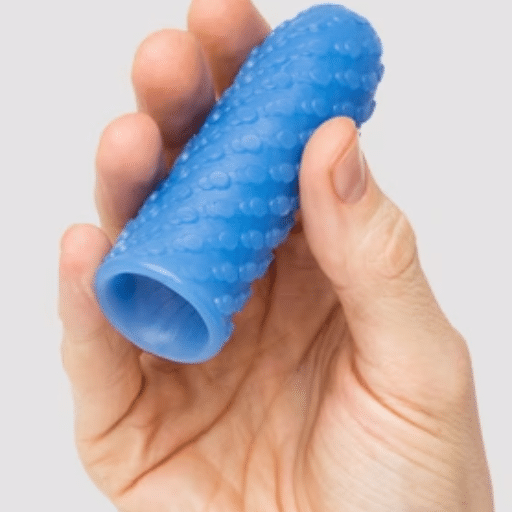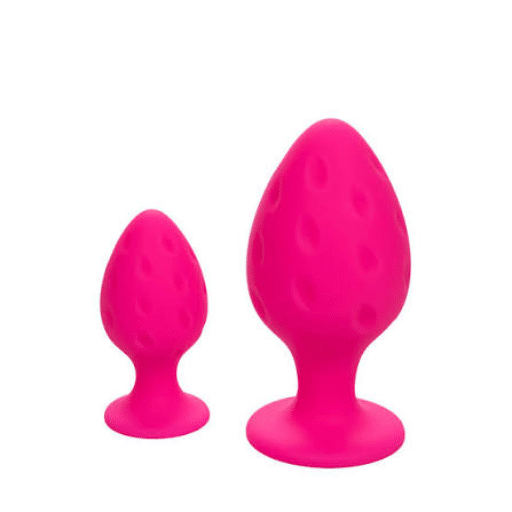
Maintaining intimate wellness and self-care includes proper hygiene, which is often overlooked. While cleaning your butt plug may not be the funniest thing to talk about, it is critical in making sure that the experience is safe and satisfying. Whether this is your first time using a butt plug or if you are a seasoned user’s, cleanliness not only keeps you healthy, but also prolongs the life of your toys. This guide will provide you with the dos and don’ts of butt plug cleaning ranging from ultra-basic cleaning techniques to material-specific cleaning techniques. By the end of the guide, you will be knowledgeable and confident in mastering hygiene.
What Are the Best Options for Cleaning a Butt Plug?
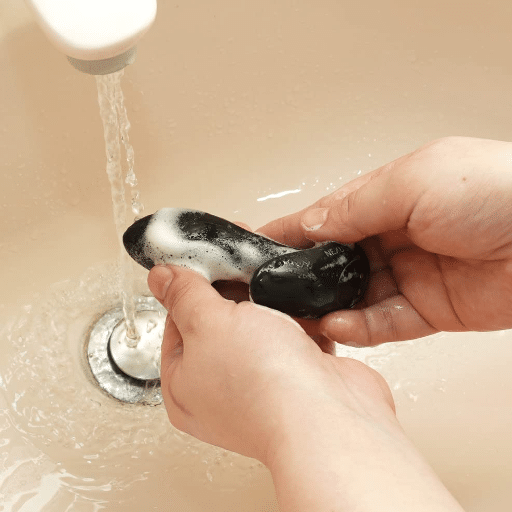
Cleaning a butt plug or any other adult toy requires special care and attention. Firstly, check the manufacturer’s instructions, as these guidelines may vary. The easiest way to wash is with warm water and antibacterial soap for any silicone, stainless steel, or glass toys with no internal electronics. Additionally, if you’re looking for a more vigorous approach to cleaning, silicone or stainless steel toys can be boiled for a few minutes, provided there are no electronic components, and thrown on the top dishwasher rack without any detergent. It’s also important to note that porous materials like jelly rubber or TPE eyeglasses should only be cleaned with mild soap, so extra coverings are advised. Lastly, ensure the toy is thoroughly dried before storage so bacteria do not infest.
Using Antibacterial Soap and Warm Water
Storing toys and adult accessories also requires special treatment. They should be dried; antibacterial soap combined with warm water is an excellent cleansing agent. The cleaning procedure can start by rinsing off the toy under warm water to shed any surface debris, then holding it with mild soap. With lathering, all detailed sections containing hidden bumps or recesses prone to bacterial growth should be scrubbed for over 20 seconds.
Research suggests that using soap with warm water removes germs and bacteria from non-porous surfaces. Water should be around 110 degrees Fahrenheit (43 degrees Celsius). This temperature is warm enough to aid cleaning, but not so hot that it would damage most toys. Silicone, glass, and stiff plastics are best for this method as they can withstand frequent cleaning and scrubbing. Gently wipe the toy with a clean towel to dry it off or let it air dry thoroughly before putting it away. This method of cleaning builds hygiene and prolongs the life of the item.
When to Use a Toy Cleaner
Using a toy cleaner specifically designed for your toys is especially important for hygienic maintenance and extending the lifetime of your toys, especially those manufactured using jelly rubber, thermoplastic elastomer (TPE), or leather, which are more porous materials. Toy cleaners are designed to eliminate all forms of bacteria, body fluids, and other materials that come into contact with the toy without harming it. It is best to sanitize sensitive toys that contact intimate areas with a toy cleaner after every use, and use the toy cleaner to ensure proper sanitization.
Proper cleaning becomes necessary, especially for porous materials, as is the case due to a lack of cleaning. Studies have shown that such materials can accumulate bacteria over time, heightening the chances of irritation or infection. For example, silicone, which falls under the non-porous category, is better at resisting material absorption, but still needs to be cleaned with toy cleaner because there is always bacteria that is not visible to the human eye. Toy cleaners are very useful in cleaning sensitive toys with complex patterns or internal parts that cannot be reached appropriately using soap and water due to their intricacy. Relying solely on general cleaning methods does not provide a thorough clean. Using toy cleaners frequently enhances safety, cleanliness, and overall user experience.
How to Sanitize Your Anal Toy Safely
To sustain good hygiene and prevent irritations or infections, it is essential to maintain proper cleaning of anal toys. Here’s a comprehensive instructional guide on how to clean your toys properly:
Recognize the Toy Material: Different toys can be made of different materials, requiring distinct cleaning methods. Stuff like silicone, glass, stainless steel, and ABS plastic is usually nonporous and more straightforward to wash. Specific elastomers and jelly rubbers are porous materials, which may seem simple to clean because of their ability to collect bacteria. Always refer to the instructions and guidelines from your toy’s manufacturer for best results.
Use Warm Water to Rinse: To clean your anal toy, hold it under warm running water to wash off the residues. However, be careful not to use hot water, because extreme temperatures can damage the toys.
Select the Right Cleaning Agent: A mild antibacterial soap or toy cleaner would be ideal for non-porous toys. Always use a product tailored to the toy to protect it from damage while sanitizing. Gently apply the soap to the toy, starting from the ridges and seams or intricate designs to parts that are hard to reach.
For Boil-Safe Toys: If a toy is made of silicone, stainless steel, or borosilicate glass, sanitizing it by boiling for 3-5 minutes is highly effective. This step prevents bacteria or viruses that linger even after surface cleaning from thriving. Always check if the toy is boil-safe before proceeding with this step.
Use a Bleach Solution (if Required): You may employ a 10% bleach solution (one part bleach, nine parts water) for a more thorough clean, especially after a partner’s use or while swapping body parts. Fully submerge the toy, rinse with water afterwards, and let it air dry. Stay away from porous materials, as they could damage the surface.
Consider UV Sanitizers: New to the market are UV sanitizing devices that gently clean delicate tools and toys without boiling or bleach. These devices kill bacteria using ultraviolet light, thus sanitizing some toys and offering a cleaner on the go. Seek ones that are specially made for nonporous toys.
Dry Completely: Dab the toy with a lintless cloth or towel after cleaning. Store it protected after fully air drying in a clean and ventilated space.
Storing Them Correctly: After cleaning the toy, store it in a dedicated pouch or container to avoid cross-contamination. Ideally, keep it in a dry and clean area. Do not store multiple toys in the same container; they may react and degrade over time.
Taking these measures, you can confidently sanitize your anal toys and maintain their safety and longevity. Safeguarding health and the toy’s condition ensures a pleasurable experience.
How Often Should You Clean Your Butt Plug?
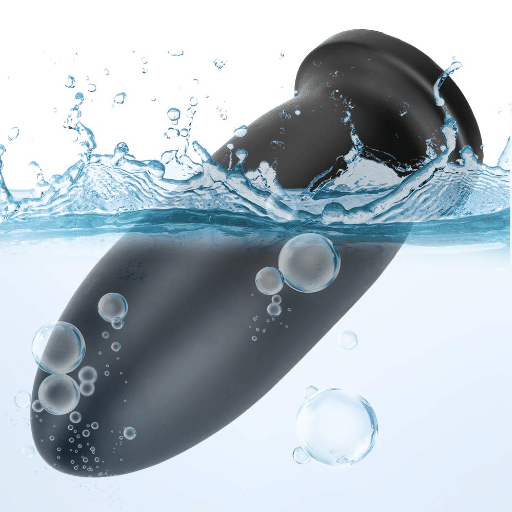
Cleaning your butt plug after every single use is critical to hygiene and preventing bacteria buildup. For silicone butt plugs, cleaning it before its first use is also suggested. A quick rinse pre-use is another safety measure for frequent users, particularly if the toy has been stored for a long time. Always adhere to the manufacturer’s recommended directions for cleaning as per its material for safety and longevity.
Understanding the Importance of the First Wash
Cleaning any butt plug for the very first time requires proper hygiene so that the toy can be considered safe for use. Butt plugs are made using specific processes, and during their production, some aspects like dust, mold release agents, and even some chemicals which are not easily visible to the naked eye can be left behind. In an expert’s view, cleaning the toy before the first use sanitizes any irritants. It diminishes the chances of infections or allergic reactions, which could be very dangerous in some situations.
During the first wash, it is best to use warm water paired with mild, unscented soaps. When dealing with silicone, glass, or stainless steel, there are simply too many straightforward materials, and all of these are effective because they undergo sanitization. Some users boil silicone or metal toys for 5 minutes, but only if the material is non-porous and heat resistant. Studies conducted concerning hygiene emphasize how the lack of washing an item considered new before use significantly increases unwanted bacteria and skin irritation, resulting in hazardous infections.
There is no denying that adhering to the appropriate cleaning procedures and routines from the start, which in our case is the first use, dramatically increases the ease, safety, and longevity of such gadgets, which means that one can enjoy using them without worries.
Frequency of Cleaning Based on Use
How often an item needs to be cleaned depends mainly on how frequently it is used and what material it is made of. Items that are used daily should be cleaned after every single use. For infrequent use, cleaning before and after use is adequate. For example, silicone or metal items with a non-porous surface must be cleaned thoroughly with moderate temperature soap and water or sanitized with suitable methods.
Studies suggest that not cleaning items regularly raises the likelihood of microbial contamination, with surfaces being cleaned improperly and Staphylococcus and E. coli bacteria infesting them. Following a cleaning schedule works to eliminate safety issues and also dramatically increases the durability of the material. Softer materials such as porous rubber require more frequent and cautious cleaning, as they are often less resistant to bacterial infestation. For these items with a low frequency of use, cleaning them once a week or after each use is considered best practice.
What Are the Risks of Not Keeping Your Butt Plug Clean?

Not keeping your butt plug clean can pose significant health risks. For one, whoever is using it could get an infection, including a urinary tract infection, bacterial vaginosis, or even a bladder infection due to unsanitary plugs containing Staphylococcus or E. coli. On top of that, damage to the skin may be sustained, as well as an increase in spreading nasty bacteria, either from washing to other bodily parts. It is crucial to maintain hygiene by properly cleaning butt plugs after every use.
Potential Bacteria Build-Up and Faecal Matter Concerns
Safety issues that arise due to the unattended cleaning of a butt plug and bacteria accumulation are of concern. They can have disastrous health effects. For example, research states that human feces can contain billions of harmful bacteria, including the infectious pathogen Escherichia coli, which primarily causes gastrointestinal infections. Along those lines, other studies suggest that the rectum also houses a dangerous microbiome where pathogenic germs can dominate in unsanitized settings.
Neglected sex toys that contain human faces can lead to surfaces being riddled with even higher concentrations of bacteria, heightening the chances of infection and cross-contamination. The CDC (The Centers for Disease Control and Prevention) recommends sterilizing surfaces that have come into contact with feces, urine, and excrement from the body due to the highly pathogenic nature of many germs. The unsanitary protocols fuel biofilm formation as bacteria can encapsulate themselves to form protective layers that enable them to withstand typical cleaning protocols.
Adhering to effective cleaning methods, like scrubbing with antibacterial soap and sterilizing with boiling water (when the material can withstand it), reduces risks significantly. Studies on hygiene in healthcare suggest that deep cleaning can eliminate up to 99.9% of bacteria on non-porous surfaces. Furthermore, individuals are encouraged to use non-porous butt plugs as porous materials tend to retain bacteria more, even after attempts to clean them. Following these practices, bacterial accumulation and exposure risks can be significantly minimized.
How Neglecting to Clean Can Damage Your Toy
Not cleaning your toy poses health dangers while additionally damaging the toy. This is because the silicone, rubber, or latex materials may degrade over time from body fluids, lubricants, or environmental debris. For example, if they remain uncleaned, porous toys can develop micro-abrasions where bacteria and mold thrive. This would result in a structural weakness of the toy. Certain lower-quality materials are known to break down when exposed to prolonged moisture or the wrong storage conditions. Other recent studies concerning material durability showed that medical-grade silicone toys were more durable when washed and dried thoroughly after each use. In addition, toys that are not adequately maintained accumulate dirt, which changes their surface, leading to discomfort or unsafe conditions during use. Effective maintenance, especially cleaning and storing in dry places, allows the toy to be in optimum condition and safe for long-term use.
How Can You Store a Butt Plug Properly?

To store a butt plug properly, first s ure it’s cleaned and dry to avoid bacteria from growing. When washing, use a toy cleaner or mild, unscented soap. After drying, store the butt plug in a separate pouch or container without dust, lint or contamination. Store the plug in a cool, dry place free from direct sunlight. Extreme temperatures can degrade the material over time. Also, avoid allowing the plug to contact toys made from different materials, as it may cause damage.
Using a Zip Lock Bag or Container
Storing your butt plug in a dedicated container or a zip lock bag greatly improves hygeine while also extending the life of butt plug. Using a zip lock bag creates an air tight seal which protects butt plug from dust, lint and other harmful particles. The bags also prevent moisture, which is crucial in halting mold growth and degrading materials and is essential in high-humidity places.
Similarly, a substantial storage container protects against physical harm and accidental drops. Choose something made of a smooth, nonporous, easy-to-clean material like silicone or plastic. Make sure the butt plug is clean and dry before placing it inside. Otherwise, moisture can become trapped, leading to bacteria or damage over time. Silicone butt plugs, for example, are very easy to damange when stored improperly as they are reactive with other silicone products or chemical residues through cross-contamination.
Research demonstrates that appropriate storage conditions for sensitive materials such as medical-grade silicone or stainless steel can significantly enhance longevity. Placing a medical-grade silicone item inside a zip-lock bag and then placing the zip-lock bag in a sturdy container further shields the item from external environmental factors, preserving its integrity for future use.
Tips for Air Drying Before Storage
Clean First: Before air drying the item, ensure it is clean using warm water and a soft, non-abrasive soap. Using harsh chemicals on sensitive items like silicone and stainless steel is not recommended, as they could damage and leave residue.
Use a Non-Fibrous Surface for Drying: A silicone mat or glass drying rack can be used as a smooth, non-fibrous surface for placing the cleaned item. This reduces the chance of particles sticking to the cleaned item during drying.
Provide Good Airflow to the Vent: To enhance the item’s circulation, the surrounding area should be cool and have low humidity. Ensure the setting does not have strong sunlight, as it will degrade the material the longer it’s exposed.
Approximate Drying Time per Item: Most items can take 4 to 6 hours to dry, depending on the environment. Non-porous materials like silicone dry first, whereas other materials take longer.
Avoid Overlapping Items To Be Dried: Arranging the items separately would enhance the airflow and allow air circulation freely around all surfaces and gaps.
Check for Any Leftover Water: Check the item for residual moisture after drying, particularly in difficult areas. If needed, gently dab with a lint-free cloth or paper towel to remove any remaining moisture before putting into storage.
Document and Control Environmental Factors: Maintaining a less than 50% relative humidity in the work area will protect these materials while speeding up the completion time. A hygrometer may help maintain drying conditions in the materials’ best interests.
These tips on air drying will help ensure that items remain in pristine condition long term and prevent moisture-related damage, such as mold or material degradation.
Why Separate Storage Is Recommended
Cross-contaminating different items can lead to irreversible damage, so careful storage separation is paramount to ensuring healthy preservation. Storing items together increases the chances of unwanted moisture, chemical interactions, and physical interference of varying materials. An example would be fabric items shared with metal pieces, which may lead to rust or damage if stored in humid conditions.
Practitioners suggest optimal storage involves stratifying individual items by material composition. For example, papers and documents should be placed in acid-free boxes and stored out of direct sunlight, while fragile fabrics must be placed in breathable garment bags to stave off mildew or decay. Either way, a proper storage technique will enhance an item’s longevity. Preservation experts explain that maintaining separate storage zones also helps mitigate potential damage. If pests or moisture concerns strike one zone, the issue can be resolved without impacting the stored collection.
Labeled modular storage further enhances item accessibility while ensuring individual items remain undisturbed. These sealable container systems bolster protective measures while aiding in effortless organization. This method helps preserve individual pieces and assists in long-term upkeep.
What Products Are Recommended for Easy Butt Plug Maintenance?

For mature products, there are several recommendations for simple butt plug care:
Gentle Sex Toy Cleaner—A specialized toy cleaner is ideal for gentler cleaning. Choose hypoallergenic and ‘no alcohol’ cleansers.
Mild Soap and Warm Water—Soaps and warm water can be polishing tools for silicone, stainless steel, and glass. They perform routine cleaning beautifully.
Storage Bags or Cases—Keep each particle in a pouch to prevent the particles from gathering dust and other scratches.
Antibacterial Wipe—Wipes designed explicitly for intimate areas are a must, but they can also be used for quick clean-ups on the go.
Material-Specific Cleaners—Certain materials, like silicone and glass, can have dedicated products that maintain smoothness while guaranteeing a thorough cleaning.
All items from the list above can help maintain hygiene and prolong product durability. The item’s manufacturer suggests the instructions.
Choosing the Right Liquid Soap and Toy Cleaner
Different materials require special attention to ensure safety, effectiveness, and compatibility when using liquid soap and toy cleaners. Consider choosing soaps with hypoallergenic properties that do not contain strong sulfates and dyes, as these may irritate or damage some fiber fabrics. For toys, look for specialized cleaners that are antibacterial and pH-balanced to ensure thorough cleaning without surface damage.
The scientific community supports the notion of avoiding alcohol-based cleaners on silicone-based items, as these weaken and compromise materials over time. Other studies suggest combining warm water with mild detergents to treat bacteria and residues effectively.
Ecologically friendly and biodegradable toy cleaners are bespoke tackles designed by experts that allow for personal safety and reduced environmental impact. They are enhanced with tea tree and lavender, which are natural antibacterial ingredients. It is essential to ensure the cleaner will work effectively with the silicone glass or metal materials to keep the items in excellent condition after multiple uses.
Benefits of Using a Towel for Drying
Drying with a towel comes with plenty of practical and sanitary advantages. Towels, particularly those composed of cotton and microfiber, are highly absorbent. This materialless surface could abrade the towel. For example, studies indicate that bacteria thrive in moist environments, which can be controlled through prompt drying. Moreover, microfiber towels are remarkably efficient with drying as they can absorb seven times more than their weight while leaving the surface streak-free.
Unlike the former, the latter is more sustainable because towels can be reused. Using high-quality and long-lasting towels reduces waste, which is a step towards environmental sustainability. Finally, proper towel care, such as regular washing and air-drying, ensures the towels remain valid and effective, making them excellent long-term goods.
Reference Sources.
Frequently Asked Questions (FAQs)
How often should I clean my butt plug?
You should clean your butt plug before and after every use to ensure proper hygiene. Cleaning before use removes any dust or particles that may have accumulated during storage, while cleaning afterward eliminates bacteria and bodily residues.
What type of cleaner should I use?
The best cleaners for your butt plug are mild, unscented liquid soaps or specially formulated toy cleaners. Avoid harsh chemicals or abrasive cleaners as they can damage the toy’s material.
Can I boil my butt plug for cleaning?
This depends on the material of your butt plug. Non-porous materials like silicone, stainless steel, or glass can usually be boiled for sterilization, but always check the manufacturer’s recommendations to avoid damage.
Is it safe to use a dishwasher to clean my toy?
Some non-porous butt plugs may be dishwasher-safe if they don’t have a motor or electronic components. Make sure to use a detergent-free cycle and verify the cleaning instructions provided by the manufacturer.
How do I clean porous materials like rubber or jelly toys?
Washing with warm water and mild soap is usually sufficient for porous materials, but these materials can harbor bacteria more easily. Consider using a condom over these types of toys for added protection, as they cannot be thoroughly sterilized.
Should I sanitize a new butt plug before first use?
Yes, it’s highly recommended to sanitize a new butt plug before first use to remove any potential residues or contaminants from the manufacturing process.
Can I use the same cleaning method for all materials?
No, different materials require tailored cleaning methods. For example, silicone or stainless steel can handle boiling, while wood or rubber may need gentler treatments. Always refer to the care instructions provided by the toy manufacturer.
How do I dry my butt plug after cleaning?
It’s best to air dry your butt plug to ensure it’s scorched before storage. You can also pat it dry with a clean, lint-free towel to speed up the process. Make sure no moisture remains, as this can encourage bacteria to grow.