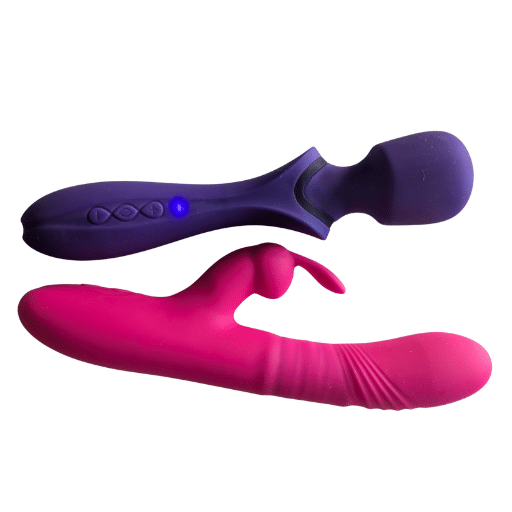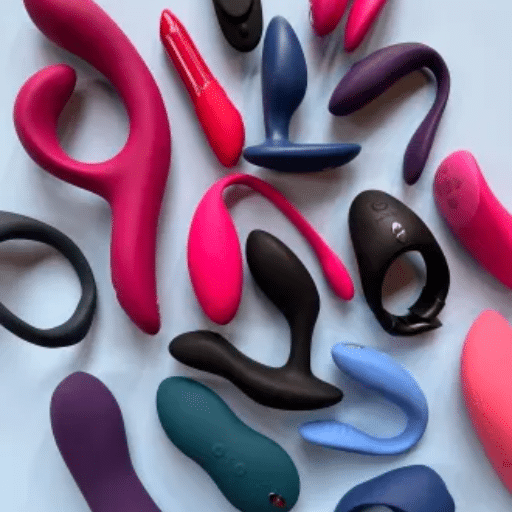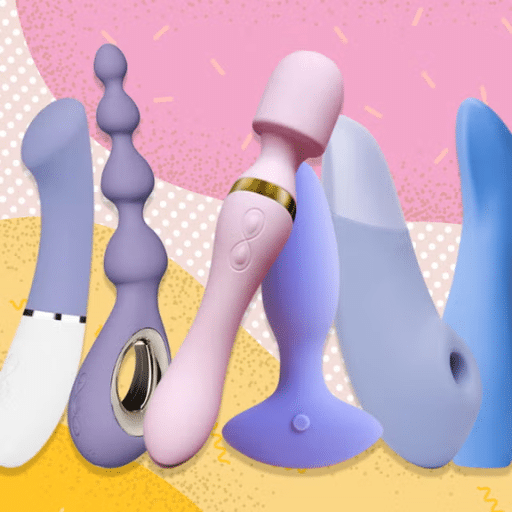
Intimate hygiene products must be employed safely and effectively from the beginning of one’s journey of self-exploration. Butt plugs are one class of product which has achieved a lot of attention both for their versatility and the unique experiences they offer. Their aesthetics also add to their appeal in many cases. One of the most frequently asked questions both by beginners and experienced users is, “How long can a butt plug be worn safely and comfortably?” In this article, we address both comfort and time limits alongside safety guidelines for wearing the butt plug. From aspiring learners to advanced users curious about occasional and extended use, we are pleased to help you maximize comfort and enjoyment while using these products.
What Factors Affect How Long You Can Wear a Butt Plug?

You can as well, as no one is too old or young, or one wears too long or too short. If it is your first time wearing a butt plug, you increase in duration as time progresses due to the time your body takes to adjust as well as your previous sensitivity towards them.
Depending on your size and the proper size of plugs, which may be too long or too short, adequate pressure will be exerted, leading to comfort.
Good-quality and safer materials like silicone, glass, or stainless steel require less time, while lower-quality materials create irritation or discomfort.
Experienced users will find themselves more comfortable sustaining plugs for extended periods without issue, while seasoned users may only be able to use them for short time frames.
Understanding the Sphincter and Its Role
The sphincter is a group of muscles that manage the flow of various elements in and out of selected body zones. It assists both the digestive and excretory systems. The body has several sphincters, including the anal sphincter and lower esophageal sphincters.
Smooth muscle makes up the internal anal sphincter that acts automatically, and the external anal sphincter composed of skeletal muscle is under voluntary control.
The average resting pressure of an anal sphincter is estimated to be about 40 to 60 mmHg. This figure is dependent on one’s age, sex, and physiology. These values must be maintained if continence is to be preserved. These muscles do not operate in isolation; several dynamic and static inputs, such as nutrition, fluid intake, and well-being, sustain contraction of these muscles, and most rely on health.
Sphincter muscle weakening or damage can lead to complications like incontinence and other medico-social problems. Frequent voluntary pelvic floor muscle contractions while in a standing position enhance the versatility and health of the sphincter muscles. To solve health issues regarding these muscles, one must be well informed about one’s anatomy and behavior.
Importance of Lubrication for Comfortable Wear
Lubricants are essential for comfort and safety when using devices or aids that come into contact with sensitive body parts. In particular, with medical devices like catheters or personal care devices, adequate lubrication reduces friction, which helps prevent irritation, chafing, and skin and mucosal tissue damage. Research confirms that applying a suitable high-quality lubricant reduces discomfort and, in most cases, reduces the risk of microtears that can cause infection or inflammation.
When choosing a lubricant, paying close attention to the materials in use is essential. For example, water-based lubricants have a wide range of applicability. They are compatible with most materials, such as latex and silicone, whereas silicone-based ones provide long-lasting lubrication but may limit lubricated devices. Also, maintaining acceptable pH levels is vital since erroneous values can alter the natural microbiome, especially in sensitive body parts.
Catering to consumers’ comfort while balancing the likelihood of reactions has led to increased use of pH-controlled and hypoallergenic lubricants. These industry strategies have been associated with lower complaint rates. Integrating lubricants within device use parameters increases experience, enhances usability, and fosters healthy adherence to member care recommendations.
Choosing the Right Silicone Toy for Extended Periods
When selecting a silicone toy intended for prolonged use, attention should be paid to the materials and features to guarantee safety, comfort, and durability. Medical-grade silicone is often considered the number one choice because it is hypoallergenic, silicone-free, and compatible with the human body. Studies show medical-grade silicone toys are easy to clean and resistant to bacterial growth, making them suitable for long-term use.
Another ergonomic principle for silicone toys is ease of use. Products with thoughtful shapes and well-contoured surfaces help reduce strain and discomfort during long engagement periods. Also, ease of use when it comes to adjustable settings like customization of the vibration strength and flexibility of the toy’s structure greatly improves the quality of the experience.
Fulfilling market demands, manufacturers must pay attention to the eco-friendly aspects of production. There is a consensus, especially amongst parents, about the safety of silicone toys free from phthalates and their packaging made from recyclable materials. Statistics show that around 78 percent of consumers prefer silicone whose production is socially responsible.
Lastly, the recommended pairing of silicone toys with water-based lubricants will extend the toy’s quality and performance over time. This is particularly true for extensive use. Combining safety and usability while preserving the integrity of the material needs to be prioritized. Meeting these criteria will enhance the choices users make regarding their unique specifications.
Is It Safe to Wear a Butt Plug for Extended Periods?
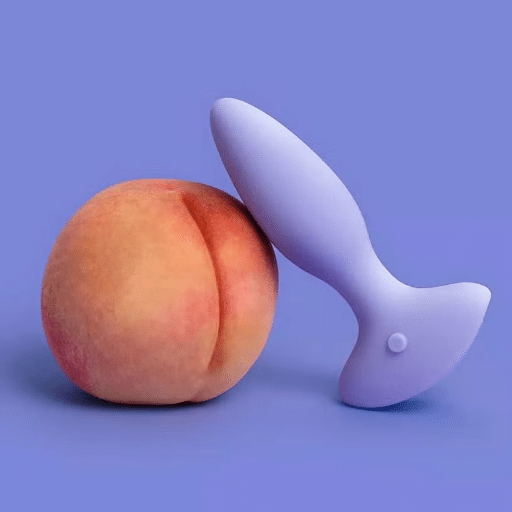
Wearing a butt plug for long periods can be done safely if certain precautions are taken. Notably, comfort or injury should not be caused by the size of the plug chosen. The butt plug should be made of high silicone or stainless steel, body safe materials. The butt plug should also be non toxic and of good quality. Always apply lube to decrease friction while putting the plug on, and periodically clean the plug and allow the body to rest. Although cleaning the plug regularly and allowing the body to rest is needed, too much resting is not suitable either. Wear what is comfortable and discontinue use if you start experiencing pain or discomfort. Always consult your physician if you have any doubts.
Risks Involved with Extended Wear
If safety measures are not observed, prolonged wear of butt plugs may result in some health concerns. One common problem is that improper materials may damage or irritate the rectal barrier. If this is not cared for, issues for abrasions or micro-tears, which could later develop into an infection, can arise. Also, using a plug for a longer duration may cause sphincter muscle fatigue and reduced muscle control in the area. Still, the temporary condition usually resolves after the plug is removed.
If the plug is overly tight or poorly designed, blood flow to the region could be compromised. Too much tension could cause issues for some users. Research emphasizes appropriate lubrication and careful sizing to reduce the risk of complications. Also, for those prone to hemorrhoids, wearing a plug could worsen symptoms or bring about flare-ups over extended periods. In addition, prolonged wear without adequate cleansing could heighten the risk of bacterial infection, leading to discomfort or other medical complications.
To mitigate these issues, experts suggest abiding by specific cleaning standards or guidelines provided by the manufacturer. They recommend using plugs explicitly designed for extended use. Plugs should also be washed and maintained correctly. Scheduled breaks, the absence of discomfort, and the absence of monitoring regarding irritation are crucial for safe and pleasant use.
Maintaining Rectal Health While Wearing a Plug
Maintaining rectal health while using a plug requires attention to hygiene and usage practices, and taking note of one’s physical boundaries. The plug should be sanitized with a non-abrasive antibacterial soap before and after use to lessen the chances of infections. Wearing condoms over the plug or finalizing thorough sterilization can provide added protection, especially when device sharing is an option.
Turning to experts, it is advisable not to exceed 2-4 hours of continuous wear in the beginning, steadily increasing the time to optimize bodily adaptation. Sustained use beyond 8-12 hours in one sitting may result in some form of physical discomfort, not limited to anal sphincter muscle weakening. During prolonged sessions, data support the notion that frequent breaks help enhance circulatory flow and sustain the elasticity of the rectal tissues.
Another aspect in sustaining micro-tears or discomfort is lubrication. For this purpose, high-quality silicone and water-based lubricants are ideal, unlike petroleum-based ones, as they risk material damage. Lowering strain during mundane activities can be done by consuming high-fiber food and staying adequately hydrated. Pay attention to how your body is feeling. Monitor for any lasting soreness, skin redness, or bleeding. If these symptoms are experienced, it is best to stop using the device and contact a medical professional as soon as possible. Following these guidelines can help integrate the plug into your pleasant and safe routine while avoiding health issues.
How to Prepare for Anal Play with a Butt Plug?
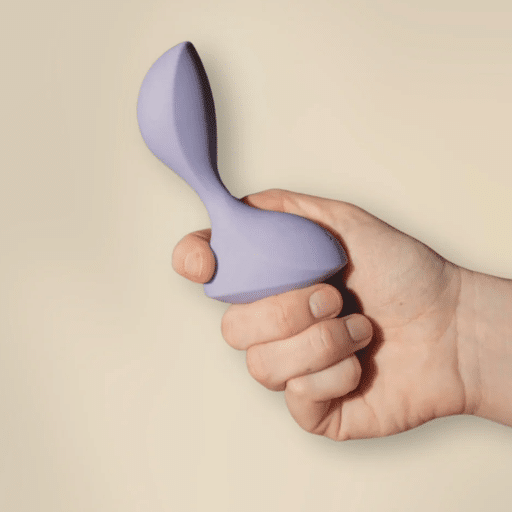
For safety and comfort using a butt plug, ample preparation is required. Picking out a butt plug should correspond with your experience level; for beginners, smaller and softer silicone plugs are recommended. Before use, wash the plug with warm water, mild soap, or a toy cleaner to maintain hygiene.
Now focus on relaxing. Make sure the setting is private and comfortable, allowing you to mentally and physically relax, as tension can hinder progress. Generously apply water-based lubrication to minimize friction, making insertion easier. Pay close attention to the body, moving only at a slow pace; if new to butt plugs, consider starting with fingers, and then escalating from there.
Lastly, if not doing this solo, encourage your partner to discuss any uncertainties openly. Being informed, relaxed, and prepared helps improve the experience.
Using Plenty of Lube for Smooth Insertion
Keeping a good-quality water-based lubricant handy is crucial when engaging in intimate activities for comfort and safety. Water-based lubricants are effective with most body-safe materials, such as silicone toys and latex condoms. Studies have shown that lubrication can mitigate the chances of micro-tearing in sensitive regions, which may reduce the risk of inflammation or infection.
An adequate amount of lubricant should be added during insertion to enhance movement and incite smoother gliding, which minimizes friction. Paraben and glycerin-free hypoallergenic lubricants also exist for those with sensitive skin. Particular lubricants are designed to remain slippery for extended periods and thus don’t need to be reapplied as frequently. The right amount of lubricant enhances the experience by making it more enjoyable while optimizing health during use.
Steps for Safe Insertion and Removal
Preparation: Washing your hands and the object that needs to be inserted is essential to keeping bacteria away. Scrub the skin with warm water and soap, pat dry with a clean cloth, and if the object is reusable, clean it according to the manufacturer’s policies so it does not become a health hazard.
Choosing the Right Lubricant: Lubricants can be of different classes. Most materials can be used for water-based lubricants and are easy to clean. However, silicone-based ones are better for slip and last longer. If you are sensitive, hypoallergenic options are a better choice.
Positioning: Sit or lie down in a relaxed position that feels comfortable. Lying back with knees bent or standing on one leg is helpful for ease of insertion. Deep breathing, followed by relaxing nearby muscles, is ideal for lessening discomfort.
Insertion: Now, you can use the insertable object. Always rub lubricant into the insertable area. Warm the object first to feel comfortable, and don’t rush; insert at a mild pace. If the body is gearing and feeling resistance, give it a moment to calm down and try again later.
Monitoring Comfort: Pay particular attention to any signs of discomfort, irritation, or pain during use. These may suggest additional lubrication, a change in position, or stopping the activity altogether. Always remember to listen to your body at every step.
Removal: Removal should be done comfortably, supported by adequate lubrication. It should be smooth and on a generous hold, pulling gently. Withdrawal must always be slow and steady. Lubrication should help with stuckness or discomfort. Sudden or forceful removal can cause injuries.
Post-Use Cleaning and Care: Cleansing the area of the product is essential. Clean it using warm water and soap. Reusable objects should also be cleaned. Wash them according to the instructions provided by the manufacturer. Proper care and cleaning are required to maintain hygiene and increase the product’s lifespan. Ensure that reusable items are stored clean, dry, and securely.
Periodic Health Monitoring: After use, observe your body for irritation, infection, or allergic reactions. If you suspect unusual signs, discuss them immediately with a healthcare professional. This promotes long-term health and comfort.
Choosing Between Water-Based and Silicone Lube
When water-based and silicone lubricants are compared, choices such as personal preferences, sensitivities, and activities come into play. Water-based lubricants are compatible with all products, easy to clean, and versatile. They are perfect for sensitive skin, but need to be reapplied often. Silicone-based options last longer and resist water, making them ideal for pools or showers. These lubes do not blend well with silicone toys and take longer to clean, but can be great for sensitive skin due to their silky smooth texture. Assessing your requirements can help with compatibility issues.
What Are the Best Practices for Extended Play with a Butt Plug?

Pick the Proper Size and Material: If you are beginning, then it is best to select a body-safe, comfortable, and well-sized plug suited to your skill level. Softer materials and smaller sizes are ideal for beginners.
Hygiene: To maintain hygiene, wash the plug under warm water before and after use, using an unscented soap or any toy cleaner.
Lubricate Generously: Using a high-quality lubricant compatible with the material of your plug can improve comfort and reduce friction, enhancing ease of movement.
Avoid jarring movements that could unintentionally shift the plug; stay relaxed for minimal muscle tension during use.
Establish a reasonable duration to avoid irritation or discomfort, especially for those new to the practice.
Assess Stickers For Repairs: Check your butt plug for any damages, such as cracks and tears, regularly to ensure safety.
You can follow all of these practices with a butt plug to enjoy extended safe and comfortable play. Your well-being comes first, so consult a professional if anything comes up.
Finding the Right Fit for Comfortable Long-Term Wear
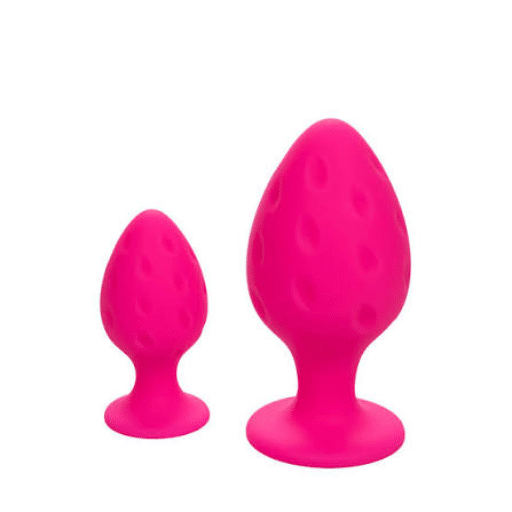
Selecting a butt plug meant for prolonged use requires careful attention to the comfort and safety of the user. The material used in its construction plays an important role. Silicone is best due to its ease of cleaning, body-safe characteristics, and non-porous surface. Some users prefer stainless steel because of its firmer and heavier feel. However, silicone remains the most popular choice because of its softness and flexibility. The shape and size of the plug must correspond to your skill level. Beginners to long-term wear find it easier to use a smaller plug of about 1 to 1.5 inches in diameter because it enables the body to adjust gradually. More advanced users may go for larger sizes, 2 inches in diameter or more. A tapering shape with a flared base is also essential so that the plug does not slip out and will not add too much strain on the body.
To increase ease of use, ergonomic features such as bases that fit the body and hollow ones that reduce weight for long-term use should be added. Furthermore, the use of lubricants, particularly gel-based lubricants, increases enjoyment. Most materials work well with water-lubricated gel, so it is the recommended choice by specialists. Safe and comfortable long-term wear can be enjoyed with the right products and preparations.
Tips for Moving Around with a Plug Inside
Safety and comfort should always be the top priorities when moving with a plug inside. As the first step, select a plug specifically designed for prolonged wear. It should be ergonomic in shape, with smooth edges. Body-safe materials, such as silicone or stainless steel, are also recommended. Research indicates that softer materials, such as medical-grade silicone, can reduce discomfort during movement.
Snug-fitting underwear can help maintain the plug position on one’s body throughout the day. Many users report that compression clothing, such as leggings or even briefs, helps to provide further support. Also, posture and body mechanics are equally important; extreme bending or sitting at severe angles may compress the body, leading to discomfort.
Short breaks for comfort assessment are advisable. For longer adventures, walking or light activities are generally better than running or high-intensity movements, which can increase strain. If discomfort arises, it is best to pause and devise a new plan in case irritative or injurious consequences occur after prolonged plug-wearing.
Lastly, healthy practices should always be maintained. Proper scrubbing of the plug before and after use may minimize the risk of infection or skin irritation. Some users also note that the experience during prolonged use is frictionless if a body-safe lubricant is reapplied periodically. By following these suggestions, one can retain both comfort and confidence while being active.
Signs You Shouldn’t Wear a Butt Plug All Day
Although some users might think about using it longer, discomfort would indicate that extended use might harm the body. Some important discomfort indicators would be sharp pain or feeling pressure as well. Studies suggest prolonged use could lead to muscle strain in the anal sphincter which could lead to chronic discomfort or hypertonic muscles. Users should also monitor other symptoms, such as skin irritation, redness, or chafing around the area, which would suggest allergic reactions or excessive friction.
Another critical sign would be abnormal bowel movements or changes in the ease of removal. This indicates a plug that may be too tight and pushing on structures internally or incorrectly sized and shaped relative to the user’s anatomy. Medical professionals also note that all-day wear may contribute to micro-tearing and infection, especially if hygiene protocols are not maintained. Users who experience chronic bloating and cramping should stop using immediately, as these symptoms may indicate something more serious, like intra-abdominal inflammation. Listening to your body is vital to avoid unnecessary risk.
How to Remove Your Butt Plug Safely After Use?

Start by ensuring you’re in a comfortable position when trying to remove your butt plug safely. Take deep, slow breaths to ease any tightness in your muscles as a relaxation technique for best results. While you exhale, try to reduce the handle or base of the plug; gentle and steady pressure is essential. Remember not to apply force; allow your body to relax more if you encounter resistance. If you wish to make the procedure easier, lubricants can be used to reduce friction. Once the plug is removed, it should be sanitized with warm water, a suitable sex toy cleaner, or mild soap. Always be mindful of your body. If you notice unusual pain, you should contact a medical professional.
Steps to Remove the Plug Without Discomfort
Selecting the Appropriate Surroundings: To achieve physical and mental calmness, a quiet and private space must be located. Strain or stress may lead to muscle tightening, which can complicate removal. Soft lights, calming music, or a warm shower before the task can create an ideal atmosphere.
Start with a Warm Up: Relaxation techniques like deep breathing or perineal massage can help prepare. Relaxing during warm-up helps increase the ease of pelvic muscles, alleviating resistance and discomfort.
Check Body Position: Positioning significantly affects the ease of removal. Most people prefer squatting or lying on their back with their knees bent. These positions decrease tension within the pelvic muscles and increase control during removal.
Choose Effective Lubricants: Safe, water-based lubricants are generally suggested; however, a silicone-based lubricant may also be effective for the best glide. Lubrication around the plug’s base and the surrounding area makes friction easier to overcome. The plug material should be compatible with the lubricant used.
Use Caution and Pay Attention to Your Body: Take your time and gently pull on the plug, applying even gentle pressure. If there is resistance, allow your body some time to adjust. Users with tighter pelvic muscles may benefit from smaller, tapered plugs during later sessions to reduce unnecessary strain.
Maintain the Plug: Effective cleaning begins right after use with warm water and mild soap or specialized toy cleaning wipes or cleaners. The plug must be disinfected immediately after removing it to reduce the possibility of infection or bacterial buildup. Store it in a cool, dry place to keep it and other devices disinfected.
Enhanced awareness is essential when dealing with potentially sensitive devices. Pay attention to your body signals to help avoid strain. Note persistent discomfort after plug use, which could suggest the need to consult a healthcare provider.
Cleaning and Storing Your Sex Toy
To maintain hygiene, avoid infections, as well as prolong the life of sex toys, proper cleaning and storage should be observed. Studies emphasize that more than half, in fact over 50%, of the population does not maintain adequate cleaning measures of their sex toys, thus making them susceptible to bacteria, among other pathogens. To alleviate these risks, every user should clean the toy immediately after usage.
Wash nonporous material like silicone, glass, or stainless steel with warm water and soap that is unscented and very mild. Alternatively, sex toy-specific cleansers serve an easier purpose; most contain some antibacterial property. For rubber and jelly-based porous materials, cleaning must be meticulous. Falsely appearing cleanable crevices can hide numerous bacterial mats. Grooves, dips, holes, and other superficially clean surfaces can retain bacteria. For sex toys that have electrical elements, cleaning has to be done carefully. Only surfaces should be cleaned, not submerged in water, and specific surface cleaning wipes should be used as necessary.
Let the toy air dry completely after cleaning it to prevent moisture buildup that can encourage mold or bacteria growth. To minimize dust and other contaminants, keep sex toys in a clean, dry, lint-free pouch or dust-free storage container. Avoid extreme temperatures and direct sunlight, as they can deteriorate the material over time. If lubricants are used, use ones that are safe for the toy’s material, as silicone lubricants can ruin silicone toys.
Good maintenance will make each use safe, and in doing so, prolong the life of your sex toys and monetarily benefit your health and well-being.
Avoiding Common Mistakes When Removing the Plug
In the world of plugs, discomfort or injury is most likely due to improper technique or a lack of awareness. One frequent miscalculation is trying to yank the plug out at lightning speed. This is simply not the correct method; the right way is to take deep breaths, slowly wiggle the plug, and move it out bit by bit. This allows the body to adapt seamlessly without too much discomfort.
Not using enough lubricant is also a common blunder. Without sufficient lubrication, removal will require more and more effort, resulting in the plug being wedged tighter into the body or, even worse, minor tearing. Always ensure a generous amount of lubricant is used before removal, particularly if the plug has been in place for a while.
Ignoring bodily signals can also prove detrimental. If there is pain or tough resistance when trying to remove the plug, it is advisable to take a break until the body has had some time to relax. With larger plugs, experts advocate gradual removal so the body’s natural reflexes, known as “retraining” the pelvic floor, can be accommodated.
Statistics show that injuries caused by devices like these often arise from incorrect plug removal due to negligence. Hence, following standard practices improves safety and leads to a better and more pleasant experience. It is essential to clean the plug after every use to ensure it is hygienic, and proper storage will enhance its durability.
Reference Sources
Frequently Asked Questions (FAQs)
How Long Can You Wear a Butt Plug?
The amount of time you can safely wear a butt plug greatly depends on factors such as the type of plug, its size, material, and your comfort. Generally, silicone and stainless steel plugs are safe for extended wear due to their body-safe, non-porous properties. However, listening to your body and removing the plug at the first sign of discomfort is essential.
For short-term use, most individuals find wearing a plug for 1-2 hours comfortable. For extended wear, ensure the plug is lubricated adequately and does not cause chafing or irritation. Many experts recommend limiting extended use to about 3-4 hours, though some may be able to go longer depending on their experience and the specific plug being used. Always follow the product manufacturer’s guidelines.
Are There Risks to Prolonged Use?
If the plug is misused or left in for too long, certain risks are associated with prolonged use, such as irritation, pressure sores, or diminished sphincter control. Always take breaks and avoid excessive strain. Meticulous hygiene practices are also essential to prevent infections. Regularly check in with yourself to ensure everything feels right, and remove the plug if any discomfort arises.