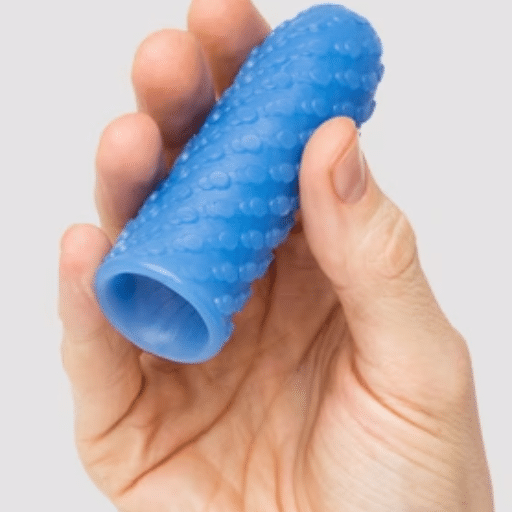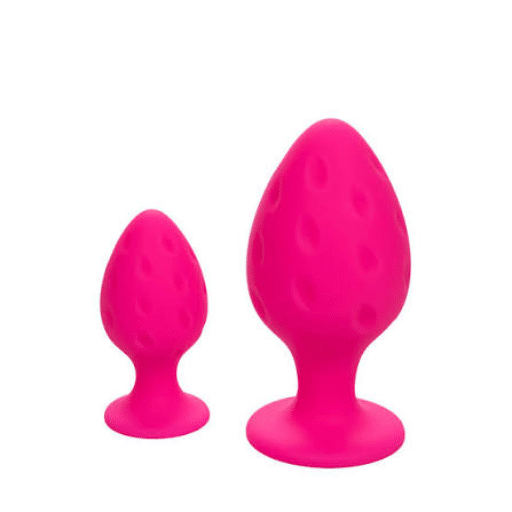
In the realm of personal care and intimate wellness, vibrators have emerged as tools for self-exploration and enjoyment. However, like any other tool, they may not work for everyone. Whether due to medical conditions, risks involved, or even personal comfort, there are specific situations where their use may not be appropriate. With that in mind, this guide hopes to provide traps to avoid and provide caution to those who need to steer clear of vibrators. With these “vibrators for caution” in mind, we delve into a discussion appealing to factors of safety, health, and practical awareness meant to help inform readers of decisions involving vibrators and personal wellness issues.
Who Should Reconsider Using a Vibrator?

People with certain medical conditions, such as pelvic pain syndromes, nerve pain, or recently treated infections, should speak to a healthcare professional before using a vibrator. This is because use may worsen symptoms or disrupt the healing process.
Pregnant Individuals: Pregnant individuals need to exercise caution during this period, especially those suffering from high-risk pregnancy complications or conditions such as placenta previa. These individuals should discuss safe methods with a physician to circumvent unintended complications.
Those Experiencing Discomfort or Pain: Pain or discomfort occurring during the use of the vibrator should also constitute a stop sign; if the act brings forth bodily discomfort, it should not be a thing in practice, at least not without waiting a while. Ultimately, these individuals should try to solve the issue using health services first.
People with Allergies to Materials: People who have allergies or sensitivities to specific parts, such as silicone, latex, or metal, should also use hypoallergenic vibrators or avoid these materials altogether. It is essential to always check the product label for body specifications.
When Unsure or Uncomfortable: People who feel unsure, anxious, or uncomfortable about using a vibrator in their intimate activities should feel free—even encouraged—to take a break, step back, and rethink things. A counselor or other trusted professional could help resolve apprehensions and offer insights.
Certain Medical Conditions: When it’s Best to Avoid
As much as vibrators might encourage intimacy, they should be avoided—or at the very least used with caution—if you suffer from any medical conditions. Perhaps if someone has a vaginal, pelvic, or rectal infection, using a vibrator can worsen their pain or cysts. Research shows that those who have extreme vaginal or bladder sensitivity, like patients with interstitial cystitis, may have their symptoms worsen or irritate when using these devices.
Vibrating devices should also be avoided in cases of surgical recovery, as the post-surgery recovery phase has sensitive tissues that could make things tricky in terms of complications or slow recovery. These devices should also be avoided by people with intrauterine devices (IUDs), and they should seek advice from professionals before using vaginal vibrators to prevent issues concerning placement and overall functionality of the device.
People living with certain conditions, such as multiple sclerosis and neuropathy, are advised to tread carefully, as vibrational devices could cause heightened sensitivity or trigger nerve pain. In addition, people with circulation-related problems, including Deep Vein Thrombosis (DVT), are also advised against using vibrators specifically designed to target sensitive areas that house blood clots or weakened veins.
Whether planned or not, safety should be prioritized, and seeking the advice of a medical professional for those with health concerns is always the best option before using.
Pregnancy Concerns: Is it Safe to Use?
For vibrators to be used safely during pregnancy, there are no significant medical complications or high-risk factors. A fair portion of health care focuses on the idea that sexual activity, including the usage of vibrators, is an effective means of personal distress and intimacy maintenance while pregnant. Spraying diseases requires specific measures to protect both parties. Thus, caution must be taken.
With pregnancy comes increased blood pumping into the pelvic zone and pelvic sensitivity, which may lead to greater pleasure for some and moderate discomfort for others. It is recommended to use gentler settings on devices not geared towards “getting their rocks off” or strong pressure at sensitive areas such as the cervix. Most hygienic measures pose no significant risks of infection with device cleaning and not sharing.
People suffering from miscarriage or placenta previa must get a prescription before pursuing vibrators and their entertaining counterparts. Nothing is better than listening to your body and focusing on comfort; this ensures a healthy pregnancy experience. Medical advice for this instance could come from their midwife.
Age Restrictions: What You Need to Know
Local cultures and laws often dictate the use of vibrators and other sexual wellness products. In many places, the legal minimum age for purchasing such items is 18, corresponding with the age at which an individual is recognized as an adult. This law safeguards a person’s understanding of the different ‘usage’ and ‘effects’ of such purchases.
There seems to be progress concerning the discourse on personal wellness and the associated stigma in previous years. As noted in a report from the National Survey of Sexual Health and Behavior, encouraging protective measures through goal-setting promotes better mental and physical health among young adults for years to come. Fears of someone underage making such purchases are valid, and that’s why retailers have to enforce age restriction checks in their stores or online.
Such restrictions concern most people since the maturity separation of legal age is universal. The age requirement is a step toward responsible use of sexual wellness products and awareness of sexual health education. Adults, especially parents and educators, should start aiding in healthy age-appropriate conversations, which in turn help the child to learn to accept and understand themselves.
Are All Sex Toys Safe for Everyone?

Not every sex toy can be used by all people; every toy is different, matching safety bylaws, such as the material, toy design, and individual sensitivities. One must ensure that sex toys made out of medical-grade silicone, glass, or stainless steel are safe and non-toxic to the body. Moreover, Certain people suffering from allergic reactions or specific medical cases must check with a doctor before use. Always read the instructions the manufacturer gives step by step, care for the toy without any lubricant that can lead to injury and irritation, and clean the toy after every use.
Understanding Allergies: Materials to Watch Out For
As with personal care products, it’s important to consider materials that might cause allergic reactions. Common allergens include latex, where allergies might present symptoms ranging from mild irritation, moderate itching and redness, skin swelling, or anaphylaxis in extreme cases. Medical-grade silicone, thermoplastic elastomers (TPE), and polyvinyl chloride (PVC) for those allergic to latex are safer substitutes.
Another material to monitor is rubber because it is often found in jelly-based products. Such materials may have phthalates, chemical softeners that can potentially irritate skin or disrupt hormones after prolonged exposure, which could be dangerous. Choosing phthalate-free also removes these risks. Also, some people might develop sensitivity to metals like nickel, common among cheap coated products; stainless steel or hypoallergenic alloys are safer for metal sensitivities.
To achieve safety and avoid unwanted irritations, check the label stating “body-safe” alongside marking it according to regulations, such as phthalate-free or other harmful chemicals. Using higher quality materials and patch testing the product on a less sensitive area minimizes risk. These methods will help ensure a comfortable experience.
Using Sex Toys with Sensitive Skin
Following some guidelines for sensitive skin can significantly reduce discomfort and enhance safety during use. To begin, consider purchasing sex toys made with hypoallergenic materials such as silicone, stainless steel, or borosilicate glass, as they are non-porous. These materials are easier to clean and less likely to breed bacteria. Medical-grade silicone is especially recommended for its non-reactive nature.
When choosing lubricants, select water-based hypoallergenic options because oil-based or silicone lubricants tend to be incompatible with sensitive skin or certain toy materials. Look for “dermatologist-tested” or “safe for sensitive skin” lubricants. A lubricant patch test is recommended before applying lubricant over large areas.
Recent studies also highlight the need for meticulous cleaning to avoid irritation or infections. Toys must be washed with mild, unscented soap and warm water before and after use. Alternatively, toy cleaners that do not contain harsh chemicals can be used.
More and more manufacturers seem to follow body-safe standards, and now around 70% of mainstream brands have phthalate-free products. Following these standards significantly reduces the chances of users with sensitivities having adverse reactions. Always keep products in a clean, dry location and avoid direct contact between different materials to prevent degradation.
Finally, patients suffering from chronic skin diseases and allergies may benefit from consulting specialized healthcare providers in dermatology or sexual health for tailored advice. Following these suggestions guarantees a much more enjoyable experience that is friendly on the skin.
Safety Tips for Using Vibrators
I constantly clean my vibrator before and after using it with an appropriate, body-safe cleaner. I also ensure that the vibrator’s material is compatible with the lubricants I intend to use, as specific combinations may cause irritations or damage. Additionally, I prioritize gentle lubricants that do not contain irritants to mitigate discomfort. I also store the vibrator in a clean, dry place to maintain its condition. If sensitivities and medical concerns exist, a healthcare professional must be consulted for tailored advice.
Can You Use a Vibrator if You Have Certain Health Issues?

If specific health issues are present, the individual may still use a vibrator; however, a healthcare provider should be consulted. Guidance will be tailored to ensure safety based on individual health concerns. For example, people with pelvic floor disorders, nerve sensitivities, or cardiovascular concerns may require more precautions. Always follow medical advice, use the device as instructed, and stop immediately if you experience discomfort or adverse reactions.
Heart Conditions: Are Vibrators Safe to Use?
Vibrators are safe for people with heart issues, provided specific measures are observed. They stimulate the skin and muscles, so their effect on the cardiovascular system is minimal. However, increased excitement, physical activity, or elevated heart rate stimulated by the vibrator could be worrisome for people with severe or unstable heart conditions.
A Journal of Sexual Medicine publication reported that sexual stimulation, vibratory or otherwise, generally has only a modest influence on heart and blood vessel activity, as does brisk walking or other moderate exercises. These effects would not be incredibly problematic for most people with managed heart conditions or who have had effective medical treatments. Patients with arrhythmias, post-surgical recovery, or advanced heart failure, however, should seek medical guidance ahead of use.
Cardiology professionals suggest knowing personal activity thresholds. If light to moderate exercises are achievable without concerning symptoms like chest pain, fatigue, or breathlessness, then vibrators may also be acceptable on those days.
However, halting at the first sign of discomfort, while maintaining effective communication with your doctor, is critical for safety.
Consulting a Sexologist for Professional Advice
Taking the first step towards dealing with intimate health issues and improving one’s sexual well-being may require the professional assistance of a sexologist. A sexologist is trained to understand sexual health, sexual behavior, and relationships, giving custom recommendations to individuals or couples who reach out for aid. As some research suggests, almost half of all women (approximately 43%) and more than a third of all men (31%) admitted to having some form of sexual dysfunction at some point in their lives. Recurrent problems such as low libido, erectile dysfunction, and inability to orgasm frequently stem from hormonal issues, psychological stress, or other underlying medical conditions.
A sexologist takes into consideration all the mental, physical, and emotional aspects of a patient; because of this, they create appropriate treatment plans. Modern approaches may consist of therapy, hormone replacement therapy, lifestyle changes, and, if need be, medication. Take, for example, cognitive-behavioral therapy (CBT) aimed at resolving performance anxiety or communication problems in relationships; studies report improved sexual satisfaction for couples participating in treatment together.
Sexologists place great importance on education, teaching patients how to counter popular myths, understand their anatomy, and practice healthier habits. Their professional assistance can help patients overcome most hurdles they experience regarding intimacy and relationships and strengthen connections with other people.
If you’re struggling with something, reaching out to a trusted professional can offer solutions based on best practices and can help you progress with your sexual health concerns.
How Can Clitoral Vibrators Affect Your Sexual Health?

Clitoral vibrators can have a positive effect on sexual health by increasing arousal, increasing blood flow, and developing a better understanding of one’s body. They can be of use to those who have trouble orgasming as they receive consistent and focused stimulation. Their usage can improve sexual self-esteem and intimacy in relationships. As with all devices, cautious use of these devices is a must; following the manufacturer’s recommendations can prevent discomfort and overuse. In partnered scenarios, clear communication alongside consent must come first.
Impact on Vaginal and Clitoral Sensitivity
The impact of sexual wellness devices on the vaginal and clitoral sensitivity varies according to the individual’s body structure and the frequency of usage. Studies suggest that moderate and consistent use of vibrators tends to heighten sensitivity resulting from increased blood flow and stimulation of the nerves in the erogenous zones. An example is that research has shown that frequent stimulation may strengthen pelvic floor muscles, indirectly enhancing sexual responsiveness and arousal.
On the other hand, some individuals may experience moderate desensitization temporarily. This has been shown to occur from excessive or repeated use of high-intensity settings. Repeated high-level stimulation may lead nerve receptors to desensitize, protecting against overly efficient signaling. To discomfort and dependency on pleasure derived from high-intensity stimulation, moderation and appropriate adjustments provide spacing boxes that eliminate gaps between immediate and progressive stimulation.
Moreover, the quality grades of the devices are essential. To reduce the possibility of irritation or damage, those manufactured from medical-grade silicone, with adjustable intensity levels, are strongly encouraged. Sensual sessions accompanied by periods of rest, coupled with variations in sexual activities, are suggested as these are vital in stimulating healthy sensitivity.
It is your responses and preferences that enable you to experience the utmost satisfaction while safeguarding your sexual health in the long run. First, always consider the devices that meet your safety and comfort requirements.
Understanding Clitoral Stimulation and Overuse
Clitoral stimulation without proper care can lead to temporary discomfort or desensitization. Since the clitoris, one of the most sensitive areas in the human body, has over 8,000 nerve endings, it can be damaged by overwhelming stimulation. Intense stimulation over a prolonged period may lead to swelling, soreness, or a dulled response. Fortunately, these effects can improve with rest and lowered stimulation.
Most people do not suffer long-term problems with clitoral sensitivity with moderate stimulation. Research indicates that using lower vibration settings on devices, taking breaks between sessions, and applying lubricant helps with sensitivity. Moreover, due to the body’s inherent recovery abilities, overstimulation can be rectified in most scenarios, given that time to rest and recover is provided.
Studies also highlight the mental side of too much stimulation of the clitoris. For some people, overly relying on certain types of stimulation may form a mental “roadblock” that prevents them from becoming aroused. This emphasizes the need for variety in touches and forms of intimacy to maintain balanced sexual satisfaction. Always pay attention to your body’s cues, and seek medical advice when sensitivity or pain persists.
Potential Risks of Using Vibrators Too Often
Using vibrators too often may, in some instances, lead to a reduction in sensitivity of the genital region. Separate from this, increased usage may inhibit the ability to get aroused and come through different methods due to overstimulation of the nerve endings. For example, some studies have suggested that constantly using ultra-strong vibrations may result in temporary insensitivity, although this effect usually resolves after some time.
Irritation to the skin may also pose another challenge, especially if the device is not cleaned after every use. Bacterial Vaginosis Infections and Yeast infections threaten people with poor hygiene or those who share these devices without protective measures. Inadequate lubrication when using these gadgets may create microtears on the soft genital skin, which increases the risk of infection or pain that no one wants.
If used repeatedly as a source of sexual pleasure, there is bound to be some form of psychological issues. Stimulation-related dependency may hinder getting satisfaction from other forms of intimacy, which may not be ideal for personal or relational well-being. People need to explore a broader range of stimulation to enjoy more and attain sustainable sexual health.
Using vibrators safely and moderately is very important. Having the device made from body-safe materials, not using it for too long, and using enough lubricant can reduce risks and enhance the sexual experience. If soreness or sensitivity problems last too long, seeking medical attention is highly advisable.
What Alternatives Exist to Using a Vibrator Every Time?

There are several alternatives to using a vibrator to enhance sexual health and pleasure. These include exploring manual stimulation, experimenting with different types of touch or pressure, and focusing on erogenous zones. Mutual stimulation with a partner or exploring sensual massages can also provide variety and intimacy. Additionally, other non-vibrating tools, such as dildos or pelvic floor exercisers, can be incorporated depending on individual preferences. Open communication, mindfulness, and trying different techniques can help diversify experiences and reduce vibrator dependency.
Exploring Different Types of Vibrators
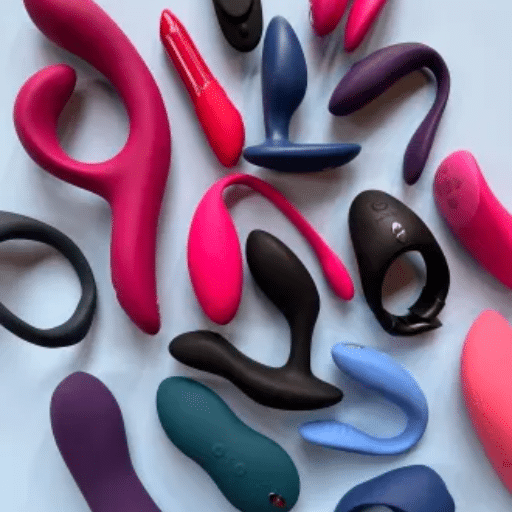
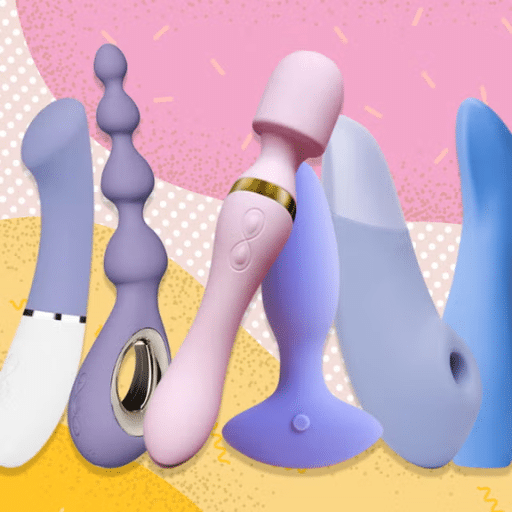
When choosing from different categories of vibrators available in the market, it is pertinent to understand the underlying design and the preferences and zones of stimulation for a particular user. Vibrators can be sub-categorized into the following types:
Bullet Vibrators—These small-sized vibrators are hidden and designed for precise clitoral stimulation. They are ideally suited for beginners, considering the ease of use and versatility of travel.
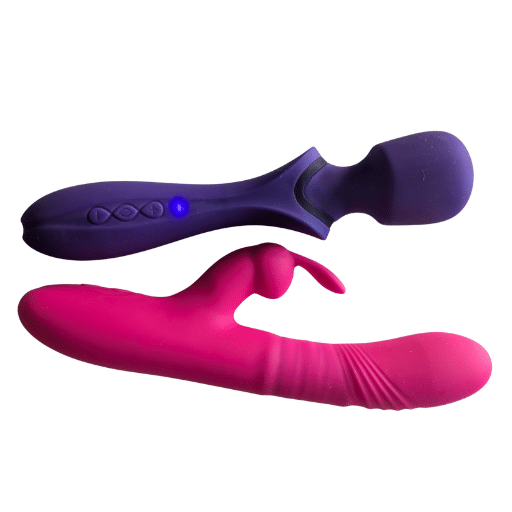
Rabbit Vibrators—These are designed for dual stimulation of both the vagina and clitoris at the same time. A shaft is inserted internally while the ‘ears’ externally rub on the clitoris to give it a complete experience.
Wand Vibrators—Widely known for their strong vibrations, these can be used for external clitoral stimulation of larger areas and even help relax sore muscles.
G-Spot Vibrators—Best for people looking for internal pleasure, these have curves at the tips meant to hit and stimulate the G-spot.
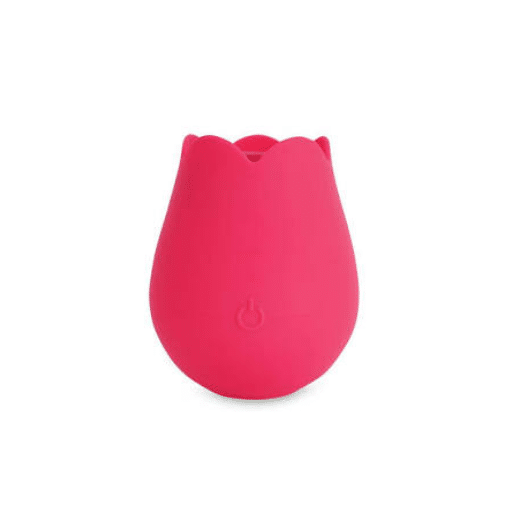
Suction Vibrators—Using air pressure and vibration, these gently stimulate the clitoris and provides a unique experience of soft sucking.
Wearable Vibrators—These include panty vibrators or any remote-controlled sockets designed for nude play, hands-free stimulation, couples’ play, or even solo use.
Each type has different features, such as variable vibration patterns, intensities, and materials. When choosing, pay attention to body-safe materials, the level of cleaning ease, and the features that match your needs. Navigating through the selections can help customize different desires and foster intimacy.
Enhancing Sexual Pleasure Without Toys
Deep emotional and physical connections with loved ones can lead to fulfilling experiences. These do not require using devices or toys; instead, they focus on the relationship. Communication is one of the most critical aspects. Talking openly and honestly about desires, preferences, and boundaries is essential. This creates trust, which deepens bonds. Studies show that couples who communicate openly about their sexual needs are more satisfied in their relationships.
Another helpful strategy is the use of sensual touch and massage. Relaxation techniques can increase arousal and help partners unwind. Tantric sex also heightens intimacy and sensitivity. This form of sex emphasizes mindfulness; extending the connection beyond simple intercourse helps to increase intimacy and bonding. Sexual health is further stimulated through regular physical exercise such as yoga or strength training because of enhanced blood flow, flexibility, and stamina, which support sexual fitness.
Stress relief, such as maintaining a balanced diet, aids libido and overall sexual satisfaction while improving lifestyle standards. Essential sleep contributes significantly as well. For example, the included use of dark chocolate, nuts, and leafy greens can increase energy levels, support well-being, and boost intimacy indirectly. Integrating such elements into the daily routine fosters a deeply connected experience with a partner.
Using Sex Toys Alone or With a Partner
Whether solo or with a partner, sex toys can facilitate and improve intimacy and self-exploration. During solo sessions, sex toys enhance the experience, which can be beneficial in stress relief and improving one’s state of mind. In this case, the user can also better understand their preferences, which fosters more self-confidence.
In intimate moments between couples, incorporating sex toys can further strengthen the emotional connection and physical intimacy. Sex toys like couples’ vibrators or other remote-controlled toys can allow the couple to navigate through new feelings together, while also intensifying the monotony in sex. Sharing comfort zones and boundaries eases the experience for both participants, boosting enjoyment levels.
Sex toys can make a remarkable addition in transforming personal and emotional intimacy, which can also shift the focus from solo to partner play. As previously stated, sex toys can be used individually or with a partner, which adds to their versatile nature.
Reference Sources
Frequently Asked Questions (FAQs)
1. Can individuals with specific skin sensitivities or allergies use sex toy vibrators?
Individuals with sensitive skin or allergies to specific materials, such as latex or silicone, should carefully inspect the materials used in a vibrator before use. Opting for hypoallergenic, medical-grade materials can minimize risks, but those with severe sensitivities should consult a healthcare provider first.
2. Are vibrators safe for those recovering from surgery or childbirth?
If you are recovering from surgery or have recently given birth, it’s recommended to avoid using vibrators until you’re fully healed. Using them prematurely could aggravate wounds, increase the risk of infection, or cause discomfort. Always follow your doctor’s advice in these cases.
3. Should people with pelvic floor disorders use vibrators?
Pelvic floor disorders, such as prolapse or chronic pelvic pain, could sometimes be exacerbated by vibrator use, depending on the intensity and method of stimulation. Anyone with a pelvic floor condition must consult a specialist before incorporating vibrators into their routine.
4. Are there risks for individuals with nerve damage or reduced genital sensation?
Individuals with nerve damage or reduced sensation may be unable to detect if a vibrator is causing harm or discomfort. This could lead to unintentional overuse or irritation. It’s essential to use vibrators cautiously and take breaks to avoid potential issues.
5. Can vibrators interfere with specific medical devices?
Those with electronic medical devices, such as pacemakers or implanted nerve stimulators, should check with their healthcare provider before using vibrating devices to ensure they do not interfere.
6. Do psychological factors play a role in avoiding vibrators?
Absolutely. Some individuals may experience anxiety, guilt, or emotional distress related to using sex toys due to personal beliefs or cultural influences. It’s essential to address these feelings and seek guidance if needed from a trusted counselor or sex therapist.