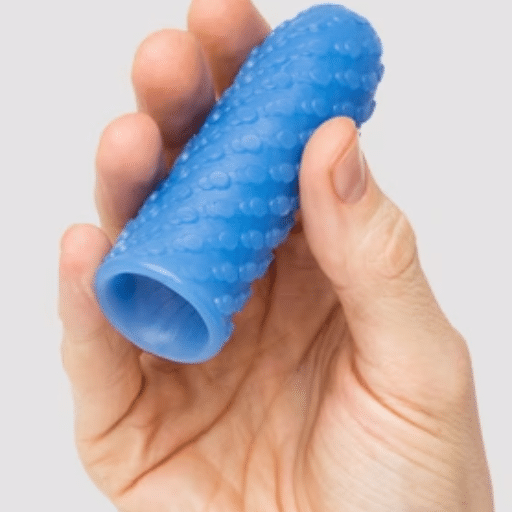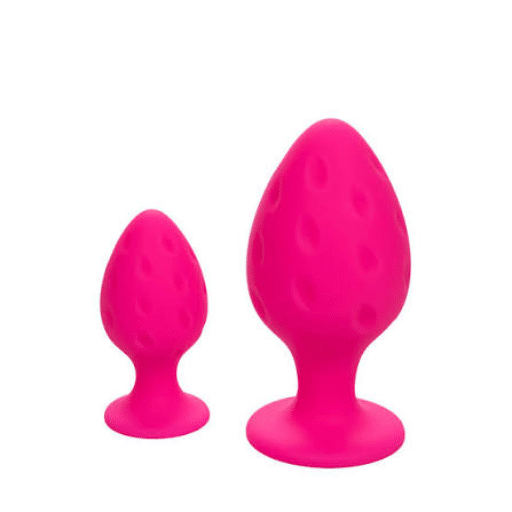
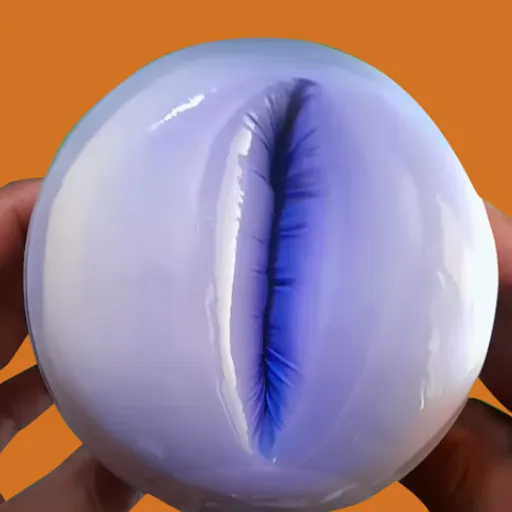
The use of innovation and creativity in a relationship can lead to new heights of intimacy and pleasure. Making your own pocket pussy can be a fun and satisfying experience no matter what your reason is—trying out new things, saving money, or simply enjoying the satisfaction that comes from making something yourself. This easy-to-follow guide is meant to assist you in the safe practical creation of a DIY solution with just a few simple, readily available materials—all from your own living room. If you want to know more about the hands-on way of personal play enhancement along with safety and practicality, just keep on reading to find out how to start.
Introduction to DIY Sex Toys
Overview of why people choose to make a pocket pussy at home
A lot of people like making a pocket pussy at home because it provides a chance to try out different things in a safe and personal manner. A DIY method allows the customers to play around with sensations, textures and tightness the way they want without having to worry about an undesirable product. A beginner usually finds this a non-stressful way to know others’ preferences before going for more complex sex toys.
One more important reason for the popularity of DIY is the convenience factor. The unavailability of adult stores or untrustworthy online shopping options is part of the problem, especially if you are in a private or tightly controlled environment. The possibility of making a working device from everyday items is an instant solution requiring very little preparation.
A person’s creativity can also be a strong motivator. Making your own stroker can be very satisfying and entertaining, especially for those who like doing things with their own hands. It makes adult play like a designer adventure where the users can mold a device to be closer to their body and preferences than the one-size-fits-all type.
Safety, privacy, and affordability as motivating factors
The most significant reason people go for a DIY device is safety. When a person makes their own adult toy, they can choose materials and components more carefully and avoid all those that may irritate. This control of the factors is very comforting for many users especially when they know and accept the textures and materials that are compatible with their skin.
Privacy is another major plus. Some people don’t like to buy adult products in public or have them sent to their home, always afraid of the packaging or being asked unwanted questions. Making a homemade toy gets rid of such worries completely, providing full discretion from beginning to end.
Cost is another important factor. A commercial pocket pussy could cost a lot, particularly those that are very realistic and hi-tech. The DIY alternative allows people to have a taste of similar sensations with little or no money spent, thus making adult play more adult play more accessible to budget-conscious consumers.
How DIY options compare to store-bought sex toys
DIY devices may offer a great deal of customization, but there is still a big difference between them and professionals’ sex toys available in the market. The latter are usually made from body-safe materials such as medical-grade silicone, TPE, or elastomers—durability, hygiene, and skin compatibility testing being the criteria of choice. While a homemade stroker can give certain sensations, it will never achieve the fineness of the textures and the perfection of the engineering found in industrial products.
Nevertheless, the choice of DIY alternatives persists as they can be modified in a moment’s notice. Users can alter tightness, softness, or structure without any need to buy extra parts. This versatility is especially important for newbies who do not yet know what they like.
On the other hand, store-bought sex toys hold the ground in terms of long-term use, safety standards, and realistic textures. They are cleaner, last longer, and are less likely to cause harm. DIY versions are usually temporary or experimental devices—good for the exploration phase, but not as durable as professionally manufactured ones.
Essential Safety Guidelines Before You Start

Understanding body-safe materials and what to avoid
Newbies to the art of pocket pussy making must first realize the body-safe materials list. Skin-friendly alternate materials usually consist of non-porous plastics, soft fabrics, and in some cases, specific types of latex-free gloves or silicone-like textures. These materials lessen the irritation and make less probable the occurrence of reactions along with the use of lubricants. On the other hand, it is recommended that the beginners always get the materials that are smooth, flexible, and free of razor-sharp edges.
Also, it is important to know what materials to avoid. The items that contain fragrances, dyes, and rough textures, and have unknown chemical coatings may cause discomfort and reactions when they come in contact with sensitive areas. Non-skin contact PVC, food packaging plastics, and sponges are all materials that can bring in harmful chemicals or bacteria that are being trapped. It is very important to avoid anything that is abrasive or porous because such things can not only scratch the skin but also harbor germs that are difficult to eliminate.
Another important point is to keep away materials that will, when exposed to body temperature or lubricants, heat, cool, or warp in an unpredictable manner. Some plastics affect their consistency and quality quickly when subjected to friction or moisture, thus making them unfit for movement and absorption done over and over again. Always being on the safe side by picking materials that are stable, inert, and smooth is the best option for all kinds of adult do-it-yourself projects.
Hygiene rules for homemade sex toys
Use of right hygiene practices is of utmost importance when making a pocket pussy or sex toy, given that DIY devices do not possess the same professional sealing or sterilization that manufactured sex toys have. A thorough wash of all items with warm water and mild, unscented soap should occur before starting the project so that any dust or residue is removed. Even new items for the home may contain residues from the “hands” of the production process, thus irritations will occur if a proper clean is not done.
Moreover, it is necessary for the users to keep away from making devices with materials that are not easy to wash thoroughly after each use. The use of anything that is porous like kitchen sponges, memory foam, or soft packing foam, will harbor not only fluids but also bacteria, thus the risk of infection increases. If it is unavoidable that such materials are used, then they must be coated with a non-porous barrier like disposable gloves or plastic wrap and be disposed of after every use.
Last but not least, it is imperative that hands are washed always before touching DIY parts. Working on clean surfaces, having clean hands, and the application of new lubricants each time will significantly lessen the chances of bacteria growth. Therefore, these practices not only make the DIY experience very safe but also help in making the adult play very comfortable.
Preventing irritation, allergic reactions, and injury during use
The selection of hypoallergenic materials is one of the most important steps in avoiding irritation and allergy reactions. If users want to try out new materials, they should do so first on a small area of their skin and only then will they know if there are any negative effects. This very simple caution helps in the detection of sensitivities before total contact during the adult play. It is also good to use plenty of lubrication-water-based is the best- because it will help to lower the friction and thus the possibility of getting abrasion.
Another very important safety measure is making sure that the DIY device has no seams, folds, or edges that can scratch or pinch the skin. Even minute imperfections can make discomfort if the pressure or movement is repeated. Smoothing rough places, adding soft padding to hard areas, and also using a soft barrier like a glove or fabric layer can hugely enhance safety.
Moreover, the users should be aware of their bodies throughout the experience. If the homemade stroker becomes too tight, too warm, or uncomfortable, it should be adjusted or replaced right away. It is very important to stop at the first signs of discomfort to avoid minor injuries that could lead to more serious problems if left untreated.
Materials Needed for Making a Pocket Pussy

Common household materials suitable for beginners
Beginners who want to learn how to create a pocket pussy often use various common household materials that are soft, flexible, and easy to mold to start off with. The use of latex-free gloves, microfiber cloths, and soft cotton socks is widespread owing to their ability to provide a smooth internal texture which friction greatly reduced. These materials are also very gentle on the skin and their thickness and softness can be varied by the user.
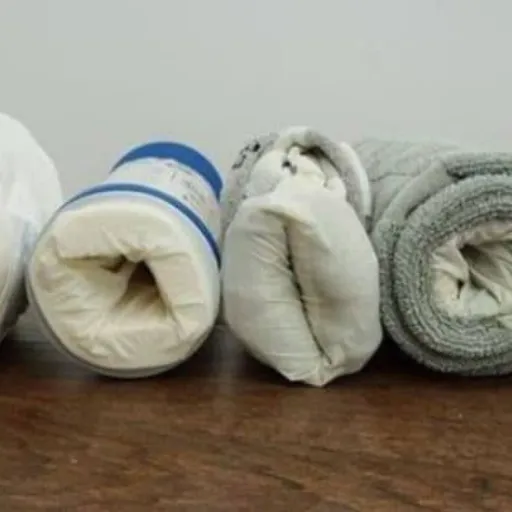
Another option that is frequently chosen is to use towels rolled up or fabrics folded to be the base for the internal sleeve. They give firmness and then the movement of the whole DIY sex toy can be more easily controlled. Soft rubber bands or hair ties can also be used on the outside to keep the shape without forming hard corners that might hurt.
Containers that are plastic cups or cylindrical jars can work as the outer shell but only if they have round edges and are made from non-fragile materials. These will give a solid structure that will keep the sleeve in place making the DIY device feel more stable when in movement. Beginners should always put fabric or padding over the hard containers to keep the skin from coming into contact with them directly.
Tips for selecting safe textures and shapes
When making a pocket pussy, selecting the right texture is very important. Smooth, non-porous surfaces provide the best experience because they reduce the risk of irritation and are easier to clean. Materials that imitate soft, skin-like textures such as microfiber cloths or silicone-like gloves provide a more realistic sensation but with less risk than porus sponges or foam.
The internal sleeve’s shape should also facilitate natural movement. The simplest cylindrical or tunnel-like form is best for starters, as it provides equal pressure and predictable sensations. If there are any internal folds or ridges, they should only be made of soft materials because hard or uneven structures can lead to burns or scraping.
People should also steer clear of any rough, very fibrous, or abrasive textures. These might not feel so bad at first but they can become annoying after a while with friction. The safest way is to test the materials by rubbing them gently on the inner wrist or on the most sensitive areas of the hand to make sure they feel smooth and do not irritate.
What to avoid when creating homemade sex toys
There are materials that can cause safety hazards even though they seem to be the right choice. For instance, household sponges, memory foam pieces, and packing foam are very porous, and they can absorb moisture and bacteria so they cannot be used for contact with intimacies. These materials cannot be sanitized properly and are leading to infections if they are reused.
Also, do not apply any craftsmen’s supplies like adhesives, glues, or tapes anywhere near the internal part of the DIY device. These materials could burn or cause skin irritation if they melted, moved, or left behind residue due to warmth or friction. Besides, any glass or thin plastic container must not be used as it is likely to break when under pressure.
The same holds true for materials that produce a lot of heat, have pungent chemical odors, or are not compatible with lubricants. If a material becomes soft, crumbly, sticky, or gives off an odor upon heating, it is not suitable for use. Using non-toxic, stable, and smooth materials will ensure that your DIY project remains safe, comfy, and effective.
Enhancing Sensation When Using DIY Sex Toys
Lubrication options and safe compatibility
One of the factors that contribute to the comfort and realism of a pocket pussy the very first thing that one has to consider during its making is lubrication. A good lubricant will cut down friction, provide the skin with protection, and make an area more sensitive. Water-based lubricants are typically the least problematic and most broadly accepted choice for home-made sex toys, as they will not harm the fabric, latex-free gloves or the most commonly used household materials. Moreover, they are not hard to clean, and in most cases, they will not cause irritation to the users.
If one loves the smooth and long-lasting silicone-based lubricants, they might have to think twice about the DIY materials. Some materials and even glove types may be ruined by silicone formulas and the structure may not be safe or might not be usable. If someone is interested in trying out the silicone, a small patch of the DIY material should be used first to test for reactions.
No doubts that petroleum-based products should be completely avoided. Unnatural products like Vaseline, oils and lotions may trap bacteria, break down materials and make infections more likely. Besides, they leave residues which are a big headache to remove from porous materials around the house. A body-safe, high-quality commercial lubricant is always a safe side choice and it dramatically increases the pleasure of any handmade device.
Temperature play and pressure control
Temperature play can jack up the feeling of a DIY sex toy when it is done right. After making a pocket device, many people place the material (never the whole device if there is hard plastic) next to warm water or wrap it briefly in a heated towel to heat up the internal sleeve. This approach not only makes the experience more realistic but also helps the body to get relaxed. Nonetheless, one must never microwave, boil, or put the material into a direct heat source, as this can result in burns or even destruction of the device.
The opposite of hot sensations can also be explored by quickly chilling the outer container or employing naturally cool materials like stainless steel accessories. The aim is to create a slight temperature contrast, not scaring the user by shocking them with extreme shock which may lead to discomfort instead. Sensation should always be comfortable and under control, especially for those new to it.
Equally important is the regulation of pressure. A DIY device should never be so tight that it causes numbness, pinching, or difficulty moving. Users can increase or decrease the tightness by adding or removing layers of fabric, changing the shape, or using adjustable bands to hold the sleeve. Smooth, steady motion and moderate pressure usually give the most comfortable experience with the least risk of irritation.
Customizing your homemade device for a more realistic feel
The main advantage of making a pocket pussy is the range of customizable sensations. Users can put on layers of soft materials to get the feeling of mollified or they can change the internal diameter according to their preference of a snugger or looser fit. Even simple changes like adding textured fabric or integrating a double-layer sleeve can bring forth new sensations without compromising safety.
Some people cover the internal sleeve with soft padding to simulate the softness of a human’s body. Others are creating gentle internal ridges by soft cloth folds which assures that the skin will not come in contact with sharp or hard edges. This is very generous as users are able to personalize the experience according to their likes while keeping comfort and convenience in mind.
One more method of customization is to use a stabilizing outer shell. A robust yet soft external layer provides a better grip and stability while on use. No matter what changes are made, the most important factor is that all materials are smooth, body-friendly, and easy to clean. With little adjustments, a DIY sex toy can be very realistic in terms of feels while remaining safe and friendly for beginners.
Cleaning, Maintenance, and Storage
Proper cleaning methods for DIY materials
Cleansing is one of the major tasks in safe usage while making a pocket pussy. A lot of DIY sex toys can be made from various household materials which are not of medical grade silicone and thus these toys require extra care to avoid the risk of bacterial colonization. After each use, the internal sleeve or any removable parts must be cleaned using warm water with a gentle, unscented soap. Due to the fact that they can irritate the skin, it is always best to choose the mildest soap available as sensitive skin can be affected by fragrances, dyes, and chemicals.
In case a DIY device is made with a latex-free glove or a similar lining, then it is possible to take out the glove, wash and dry separately. Materials that can absorb water or remain moist for a long time should be avoided as the presence of moisture will promote the growth of mold. Users are also advised against using cotton tubes, insulating materials, or pastes in water since they break down and become harmful quickly.
For thorough cleaning, a saltwater solution or a rinse which is safe for toys can be used to get rid of leftover oils from lubrication. However, alcohol or strong disinfectants should not be used on porous DIY materials as they can dry out the surface, create micro-tears, and entrap bacteria. The intention is to keep the cleaning process thorough yet gentle in order to preserve safe surfaces for the next use.
How long a homemade pocket pussy can be safely used
A DIY device is not meant to be used for a long time. Pocket pussies made by people should be seen as a quick-fix option, usually good for one to three uses depending on the materials and the construction. Worn-out and degraded porous fabrics, sponges, and gloves do not go away so easily even with proper cleaning.
It is important for the users to check the DIY toy every time before using it. Any discoloration, smell, tearing, or change in the texture means the device should be thrown away right away. These signs are not only bacteria growth or physical breakage but also the risk of irritation or infection is there due to them. Regular replacement is essential for maintaining a safe and hygienic environment even if the product looks intact.
The right way to go is to regard the appliance as non-reusable. To the delight of many users, the device is rebuilt every time which not only assures cleanliness but also takes care of the storage issue of porous, homemade materials.
Storage tips to keep your DIY sex toy hygienic
One of the most important factors that affect the hygiene of DIY toys is the way they are stored. It is a technique that is often overlooked. After being cleaned, all parts of the toy must be completely dry before being stored away. Bacteria that can grow inside the sleeves or at the seams are accelerated by moisture. The risk of having moisture trapped is very low when the device is cleaned and air-dried in an open, clean area.
After drying, store the toy in a bag made of cotton or mesh that allows the circulation of air—rather than plastic which will retain the moisture—as this will not only allow air to circulate and prevent the accumulation of dust. The same goes for a DIY device that uses any soft or porous materials that must never be kept for a long time, as these parts tend to collect bacteria even when not in use.
The temperature and the environment are also factors that matter. The toy should not be stored near heat sources, in humid bathrooms, or in closed containers. A drawer that is cool and dry is a safe place. Since DIY toys break down faster than their commercial counterparts, the main focus of storage should be on safety for shorter periods rather than on preservation for long periods. If the device looks like it is getting old while in storage, it should be replaced right away.
References
-
“Bringing sex toys out of the dark: exploring unmitigated risks” – Microplastics & Nanoplastics (2023) — this peer‑reviewed study analyzes multiple sex toys under abrasion and shows they can release micro‑ and nano‑plastics, as well as phthalates, which supports the argument for choosing body‑safe, non‑toxic materials.
- Click here to read more.
Frequently Asked Questions (FAQ)
Q: What are the essential materials needed to make a pocket pussy?
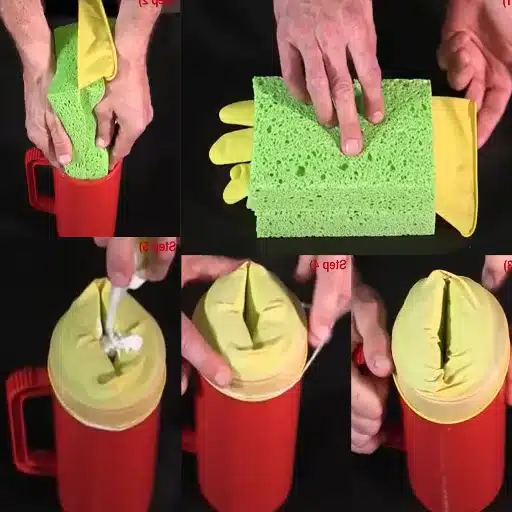
A: The most beginner-friendly materials for making a pocket pussy include two sponges, a rubber glove (or a non-lubricated condom), a cup or can serving as the housing, and tape. You also need a pair of scissors and a water-based lubricant to finish the assembly and for use. These materials are easy to get and give you a basic, functional design.
Q: Can you outline the step-by-step instructions to make a pocket pussy?
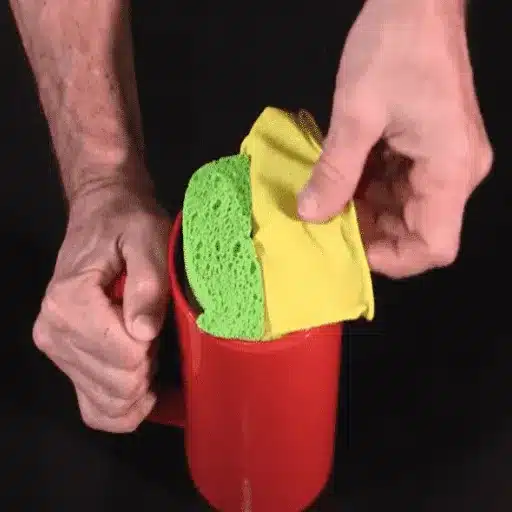
A: Absolutely. First, take two soft sponges and stack them. Then, with great care, slide a rubber glove or condom between them to form a central channel. Slowly, but surely, roll the sponges around the glove and secure the outer layer with tape. Put this entire assembly into a strong cup or can. After that, fold the glove or condom opening over the cup rim and apply lubricant for use.
Q: What are the main safety precautions to consider?
A: Safety must be the top priority. The materials used must always be body-safe, non-toxic, and hypoallergenic. Double-check that your container or any other component has no sharp edges. Before and after each use, it is very important to wash your DIY toy thoroughly with warm water and soap to prevent the growth of bacteria and possible infections. If any material shows signs of wear and tear, dispose of it right away.
Q: How do I clean and maintain my DIY toy?
A: Thorough cleaning and maintenance will keep the toy hygienic and last longer. After each use, disassemble the device and wash all non-porous parts, like the glove and container, with warm water and antibacterial soap. Sponges should be rinsed completely and their water squeezed out, then they can be left to air dry completely to avoid mildew. Keep your clean and dry toy in a concealed place that is free of dust and direct sunlight.
Q: Are there common problems I might encounter when I make a pocket pussy?
A: Indeed, some typical difficulties may occur. The sponges could be too abrasive, therefore it is important to choose a softer type. Also, the toy may not be snug; you can fix this by either rolling the sponges tighter or changing to a smaller container. If discomfort occurs, cease using the device and inspect it for any rough locales or material reactions. Moreover, lubricating with plenty of water-based lubricant can sometimes alleviate friction-related problems.
Q: What are some alternative designs or customizations?
A: Let your imagination run wild with your design. Using microfiber cloth instead of sponges will give you a different texture. Depending on your choice for size and grip, the container can be anything from a travel mug to a Pringles can. Some people want to directly add a warming effect by running hot water over the container before use, but it is always good to test the temperature first to make sure it is not too hot.
Q: What are the benefits of a DIY approach?
A: The most important advantages of a DIY approach are its affordability and privacy. The materials needed are not costly at all and they are also simple to locate. A homemade toy gives you total confidentiality and opens up the possibility of designing according to your particular needs for size, tightness, and texture, thus giving you a personalized experience.