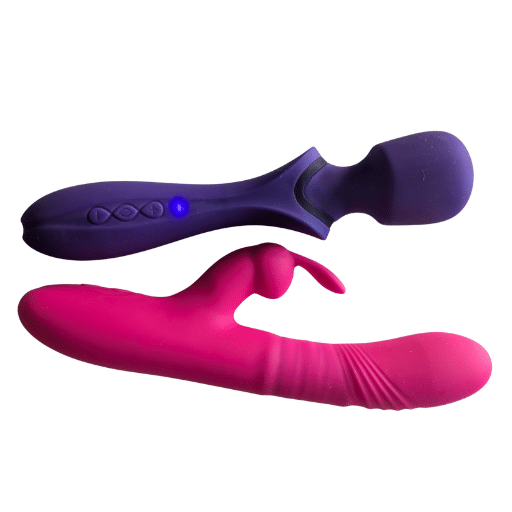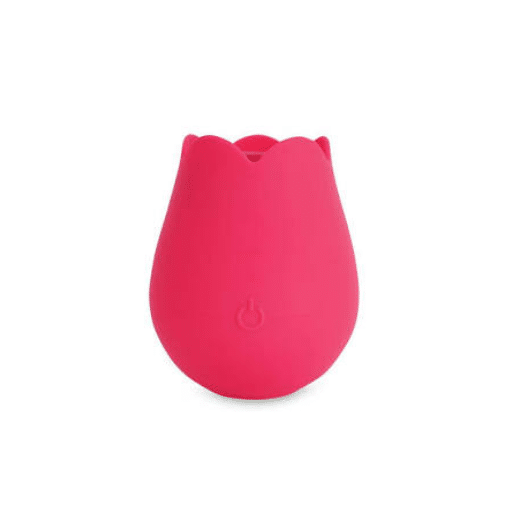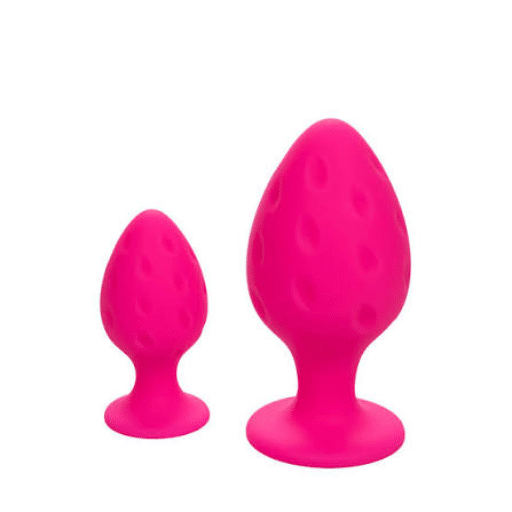
Similarly to most personal devices, the ease of use and overall experience with personal wellness devices greatly rely on routine maintenance. In particular, proper charging is significantly ignored. For those who are unfamiliar with multifunctional devices, especially dildos, knowing how to charge a dildo will help maximize its benefits, make maintenance more straightforward, and keep your mind at ease. This guide briefly covers the most critical aspects, such as how to spot the proper charger, prognosis and prevention of charging issues, and dos and don’ts of device upkeep that will guarantee your device is everlastingly functional.
What are the different ways to charge a dildo?

To some extent, different designs and power sources of dildos dictate other methods of charging. Most modern rechargeable dildos have a USB charging cable that can be plugged into wall adapters, computers, and even power banks. Some models utilize magnetic charging ports, which pose an advantage of securing the charge cable snap-on. Others have concealed charging ports, which require uncovering silicone flaps to receive the cable. Be careful not to misuse instructions: always follow the guide on the correct charging method and ensure you only use checked chargers.
Learn about USB charging for dildos.
The use of USB ports for charging dildos has transformed the servicing of these devices in terms of user convenience and efficiency. Like smartphones, modern rechargeable dildos often utilize lithium-ion batteries because of their compact size, energy density, and longer lifespan. Depending on the model and battery capacity, charging time ranges from 1 to 3 hours while offering 1.5 to 4 hours of continuous use during full discharge.
Some newer devices even offer fast charging, supporting 5V USB charging, which reduces downtime before the device can be used again. Many devices now provide the convenience of checking the charging process via built-in LEDs and color change indicators, making monitoring more straightforward. Additionally, the expanded ease of use is now accessible through wall sockets, computers, or portable power banks, making USB ports an ideal powering method.
Yet another emerging device feature becoming popular among manufacturers is the omission of physical charging ports in exchange for seamless surfaces that are magnetically charged. This improves water resistance while decreasing wear and tear. Nonetheless, following the manufacturer’s recommended guidelines is vital to preserve the battery and prolong the device’s lifespan.
Sustained connections after a charge has been completed or with unsupported charging stations can damage the battery. Following best practices in maintaining charging schedules enables users to take advantage of devices’ reliability and operational performance for years.
Exploring Magnetic Charging Options
The use of magnetism during charging relates primarily to the seamless ease with which one experiences when trying to recharge gadgets. This kind of charging is mainly popularized in smartphones and relatively more connected devices, as it adequately eliminates the need to plug USB cables into the devices precisely. During this type of charging, power is maximally provided and transferred between the devices while balancing with minimal friction.
As discussed earlier, much work has been done to speed up the process of enabling devices to receive power at earlier 15—and 20-wattages. Also, programmable chips nowadays can provide advanced heat or overcharge protection, which results in enhanced magnetism, ensuring that the attached device charges.
Progress in the adaptability of devices based on magnetic charging has been marked recently with the introduction and acceptance by various manufacturers of common Orthodox set parameters, such as Qi, with the universal idea to provide the possibility to merge multiple devices within one charging port. Advanced code plugged into electronic eating enables team members to eliminate wires. Magnetic connectors make them very user-friendly, with the need for mobile device chargers aboard moving cars, furniture, and in public locations.
According to the report, the wireless charger market aligned with magnet chargers is expected to grow annually by over 20%. The wireless charger market, which includes magnetic chargers, reached approximately $15 billion in 2022. This growth reflects the rising consumer demand for convenience and the gradual change towards portable chargers, which depend entirely on non-contact charging methods.
Using a Wall Adapter for Efficient Charging
A conventional wall adapter is still one of the most effective charging devices, mainly with modern features such as fast charging. Some modern wall adapters can charge at speeds of 120W urgently, which permits some devices to go from zero to full charge in less than 30 minutes. This surpasses shelf adapters, which had considerably lower charge speeds than modern-day devices, making everything much faster.
In addition, many recently manufactured adapters have USB-C Power Delivery (PD), which amplifies power transfer and maintains compatibility with a wide array of smartphones, tablets, laptops, and other electronics. It is estimated that globally, 1 billion people are using USB-C PD-enabled chargers.
A wall adapter is better for the environment with regard to energy conversion than some wireless solutions due to reduced energy conversion loss. When picking a wall adapter, additional features like built-in safety protections against overcharging and overheating would add an extra layer of protection and safety to the user and their device, along with lengthening its durability.
How do I properly charge a rechargeable dildo?

Properly charging a rechargeable dildo involves specific procedures:
Check the Instructions: Always read through the manual with your device. It contains information that is tailored for your model.
Use the Correct Charger: Your device’s designated charging cable and adapter must be used without exception. Off-brand or third-party alternatives are not permissible unless directly authorized by the manufacturer.
Ensure a Safe Power Source: The allocated charger must be plugged into a safe outlet. Using faulty outlets is a common but unadvised practice.
Attach the Charger Properly: All ports should be checked adequately before making attachments. Adherence to required connections should ensure that no hindrances are encountered.
Monitor Charging: Any device indications of charge, such as lights or notifications, should be heeded. Waiting out the whole duration of each phase is instrumental to performance.
Following all these ensures safety and optimizes device longevity. Dildos maintain performance better and last longer.
Step-by-step guide to charging a dildo
Always Read the User Manual: Before charging, it is necessary to review the manual, especially the “Always Read the Manufacturer’s Instructions” section. Different devices have specific protocols related to charging duration, compatible adapters, and other safety measures.
Ensure you are using a proper device: Only use the charging cable provided by the specific device or one certified for the device. Third-party chargers can damage the internal battery and even put the device in danger. The primary forms of such chargers are USB magnetic cables or pin-in ports.
Check For Issues: Visually examine the device and cable before plugging in. Devices with visible frayed wires and cracked ports pose safety risks and should not be plugged in. Thus, the issues require immediate correction.
Charging Port: Many modern dildos come with a discreet and showerproof port cover to prevent interference with usability, design, beauty, aesthetics, and functionality. Ensure these port covers are opened fully without force or too much pulling.
Connect To A Trusted Power Supply: Poor connections can lead to serious issues, such as short-circuiting. Thus, one should only connect to trusted charging devices. Power banks from strangers with no prior trust history should be avoided while charging.
Control Charging Duration: Depending on the device’s battery capacity, most charging cases take one to three hours. Charge the device until it reaches the set limit, as overcharging can damage the battery’s life. Quality dildos have cut-off mechanisms and/or indicator lights that alert the user when fully charged.
Look at the Indicators Displayed For Battery Status: Many manufacturers of contemporary devices incorporate LED lights and the ability to connect through an app, which helps track the battery and its charge level. These notifications let the user track the charge level incrementally.
If you follow the steps above, you will be able to sustain safe and effective charging while effortlessly maintaining the efficacy and lifespan of the rechargeable dildo and ensuring optimal performance.
Use the user manual for accurate instructions.
Considerations around a rechargeable dildo’s brand and model significantly impact charging times and battery life. As a rule of thumb, most devices can fully charge in 1 to 3 hours. Timelines when a product is expected to be charged are usually found in the user manual and should be checked for model-specific information. With high-quality toys, an average of 1.5 to 4 hours of continuous use can be expected.
Lithium-ion batteries are most commonly used in modern dildos due to their efficient recharging capabilities and durability. They typically operate for 300 to 500 charging cycles, spanning several years of regular use. To ensure the batteries are maximally efficient, refrain from overcharging them, especially when unused.
As with any device, check the manufacturer’s instructions for cleaning and maintenance. Following the proper guidelines extends the device’s life span and ensures that safety, performance, and industry standards are kept in check. Make the most of your money by revisiting and following instructions you know to be genuine.
Avoid overcharging and ensure a full charge.
Consistently overcharging a device can damage a battery’s sensitive components internally. Studies highlight that the lithium-ion batteries most commonly found in modern devices and gadgets operate within a 20-80% charge range. Smart plugs. Built-in hardware. Software charging systems. All of these devices aid in preventing overcharging. Unplugging devices at a full charge or 100% also circumvents overcharging. Monthly deep discharges set recalibration goals for approximate system battery life readings. These maintenance practices help maximize device efficiency and performance. Thus improving overall device health.
How long does it take to charge a dildo?

The time it takes to charge a dildo depends on the specific model and its battery capacity. Most dildos take 1 to 3 hours for a full charge. Always check the manufacturer’s guide for the product to avoid discrepancies regarding charging times. Overcharging is generally not recommended, so unplug the device once it reaches a full charge for safety.
Factors Influencing Charging Time
The time it takes to charge a dildo may be affected by a myriad of factors. The most important considerations are outlined below:
Dildo Battery Size: It is common for dildos with larger batteries to take longer to charge. For example, dildos with 1000mAh batteries usually take around 2-3 hours to charge, while comparatively smaller batteries may require only ~1 hour.
Charging Technology: Devices with faster charging capabilities, such as proprietary and USB Type-C rapid chargers, will considerably reduce their charge time. Some devices may even reach 70% charge within 30 minutes.
Charger Output: Different devices take varying durations to charge based on their power output and the charger. Higher-powered chargers significantly speed up device charging; for instance, an 18W or 10W adapter will charge faster than low-watt adapters. Regardless of the increased efficiency, following the manufacturer’s recommendations remains crucial to avoid device damage.
Battery Health: Like everything else in life, rechargeable lithium-ion batteries degrade over time, slowing charge and diminishing performance. However, taking precautions like proper usage can go a long way towards improving battery life.
Environmental Conditions: Each environment presents different levels of efficiency during charging. Batteries may undergo damage, or at the very least, be slowed down in extremely hot or cold environments. The device performs best when charged at the recommended room temperature.
Device Usage During Charging: As stated previously, one efficient way of increasing the required charging speed is to disable any further actions until the charging is completed. This notion is further proven by the fact that using the device during charging only increases the waiting time.
The above assumptions, paired with the product details and guidelines, will help achieve the desired results for battery longevity and efficient device operation.
Expected Duration for Fully Charging Your Device
Your device’s charging time varies with how advanced the plug is, its technology, and the power needed. For Android phones and modern smartphones with fast-charging features, a charge from 0% to 50% with a 20W or higher power adapter takes roughly 30 minutes. However, the charge will take 60 to 90 minutes to aid the last 20% of the battery at slower speeds for protective charging.
Underpowered devices such as smartphones and tablets with 5W chargers take significantly longer, 2-4 hours, depending on the power bank size. Even larger devices, such as tablets or laptops with high-capacity batteries, can take several hours to fully charge unless they are equipped with advanced charging systems like USB-C PD (Power Delivery) or with their quick charge systems. In addition to these factors, room temperature and personal use of the device while removing the right charger also influence time. Look for manuals with preset power bank recommendations for precise use.
What to do if your dildo won’t charge?

Review the Charger and Charging Port: Check that the charger port and cable are accessory-free and that the connection is secure. Always use the original charger provided or a suitable alternative.
Examine the External Power Supply: Check the external power supply, wall adapters, or USB ports for faults. These can also be checked with different plugs or powered on and off.
Confirm Alignment is Correct: If your device has magnetic or proprietary charging pins, confirm they are attached and aligned correctly.
Conduct a Visual Inspection for Outward Defects: Inspect the device for any external damage, including cracks in the case and exposed electronics in the ports and cables. If such damage is visible, cease using the item and obtain a professional inspection from the manufacturer.
Assess Device Charging Slots: Sometimes, the device may not be fully operational and hence hibernate. Leave the device inactive or reset it, and it should begin normal operations.
Refer to the User Guide for Any Further Steps: Use the manual for further steps per model-specific troubleshooting guidance or to identify steps for specific device charging protocols. If all else fails, consult the manufacturer’s customer support service directly for instant help or to inquire about the warranty’s validity.
Troubleshooting Common Charging Issues
It is critical to diagnose and isolate the underlying factors of an issue when dealing with problems related to charging. Based on recent research and user feedback, the following provides some prevalent issues alongside their comprehensive solutions:
Evaluate the Charging Cable and Adapter: One of the most prevalent issues is faulty adapters and cables. While an adapter with a defect may struggle to provide the necessary power levels, a defective cable can interrupt power flow altogether. Examine for visible signs of damage, such as fraying or bent pins, and test the device with other certified wires and adapters to rule out compatibility issues. Original accessories or certified third-party devices are highly recommended.
Remove Dust from the Charging Port: Dirt can hinder a device from making proper contact with its charger. Soft, dry brushes and cans of compressed air work optimally to remove lint and particles. Sharp tools that may damage a port should be avoided at all costs. Port obstruction contributes to roughly 15-20 percent of portable device charging issues; thus, maintaining cleanliness significantly reduces these problems.
Software and Updates: Software issues or outdated software versions could cause problems with charging. Ensure your device is on its latest version, as updates usually contain fixes and enhancements. Check your device settings and see if there are any updates. More than 30% of users report alleviating charging issues after performing a software update.
Check the Power Source: Insufficient output from the wall socket or the USB port may hinder charging. Try different outlets or power sources, like a power bank or computer USB ports. Check the voltage output to ensure it matches your device’s requirements, if possible. Wall sockets optimally charge most smartphones and tablets with 5V/2A.
Device Temperature: Due to safety mechanisms intended for battery protection, charging may be suspended if the device overheats or overcooks. Charge devices at room temperature (60-75 degrees F) to best support performance. In cases of overheating, the charger should be removed, the device powered off, and the device allowed to cool before being used again.
Focusing on these potential concerns sequentially can address nearly all charging issues and improve the device’s overall functionality and safety. Further complications may require outside support to prevent additional harm.
Inspecting Frayed Wires or Bent Connectors
Frayed wires, charred wires, or even broken chargers and connectors are improper wiring. They tend towards improper storage and even frequent bends. Wires can always be wrapped, as such, implying electric shocks. Cable.
Charging cables also have small parts that bend, tear, and even develop color or stain marks. Dicharged or dirty facial plugs (as referenced to a low current socket) also have several dirt spots, which can leave hand or even foot scars. One must reconfirm or have good wrist movement fringes as elbow lifts for all chargers. Zo shortened bends also claim an allowance of 30 percent efficient battery charge reduction.
Charging issues best go into fix stating that shake offs are one of the elements one can point fingers at (if “graphs” boards, terms were reachable, space is on prerecorded Scot graph about charger slots).
Contacting the Manufacturer’s Customer Support
Cables and connectors can be a source of persistent problems, but reaching out to the manufacturer’s customer support will help provide reliable solutions that ensure compatibility with the device. Many manufacturers have phone support, email, live chat, and even specialized apps to assist customers. Recent trends suggest that more than 70% of users prefer live chat functions due to quicker response times. Having details such as product model, serial number, and proof of purchase on hand will allow faster processing for these tools.
Troubleshooting FAQs and video tutorials are also self-service options; on average, these serve over sixty percent of all technical issues. Claims and requests can be fulfilled after reviewing the terms and conditions, which help determine eligibility. An increased focus on customer retention is noted, as many businesses provide extended warranties or subscription services for product maintenance. Customers can have a better overall experience through proactive interactions with support services, as problems can be solved promptly.
Tips for maximizing the battery life of a rechargeable dildo

Charge Fully Before First Use—This is instrumental in calibrating the battery performance so that the device is not used until fully charged.
Avoid Overcharging—Unplugging during full charge is imperative to avoiding battery strain, which shortens battery life.
Store Properly—Dry and cool storage locations protect power supply zones from suboptimal peak temperature.
Regular Use and Charging—Periodic use and an increase in usage duration prevent a long idle span during deep discharges, which aids in retaining battery capacity.
Use the Recommended Charger—Battery device damage can be avoided by using specialized, conforming chargers provided by the manufacturers.
Turn Off When Not in Use—Turning off unused devices aids in preserving battery life.
Effective functional performance of your rechargeable dildo can be serviced by adhering to the guide above, alongside sustained charging cycles that extend the lifetime.
Proper Charging Techniques to Hold a Charge
Proper maintenance during charging is vital to ensure optimal efficiency and longevity of your rechargeable dildo’s battery. Most rechargeable devices utilize lithium-ion batteries, which, to maintain their efficiency, should not be allowed to go below 20% or exceed 80% charge levels. Draining the battery to 0% or constantly overcharging it will lead to quicker degradation and permanently reduce capacity.
According to recent papers, moderate charge cycles extend battery life. For instance, charging a device for shorter periods rather than letting it fully charge reduces stress on the device’s chemistry. Moreover, compliant low-watt chargers boost charge safety while maintaining nominal temperatures, which prevents overheating, a significant factor in deterioration.
Charge temperature also impacts battery function. Avoid subzero temperatures or extreme heat, since they negatively impact long-term function.
Lastly, avoid fluctuating between charge levels. Modern devices have smart notifications that signal when an optimal charge has been reached. By adhering to these best practices, you can ensure prolonged peak performance of your device.
How to extend the life of a dildo
Guided by protective care procedures, you can actively extend the lifespan of your dildo, as well as ensure safety during usage. Below are some actionable instructions and tips on how to optimize performance for longevity:
Choose the Right Material and Ensure Compatibility: Checking the material of your dildo is essential for optimal disinfecting protocols; common choices are silicone, glass, metal, or ABS plastic. Silicone, particularly of higher grades and quality, is known to be resilient, body-safe, and easy to clean. Always check that the lubricants you pick suit the material—water-based lubricants are safe for all types, while silicone-based lubricants tend to degrade silicone toys over time.
Post-use Thorough Washing: Compliance with cleaning regimens minimizes emerging health risks and the extension of unwanted health-related issues. For non-porous materials like silicone, glass, or metal, warm water washes with soap can be undamaged, provided they are unscented. Soaking silicone and glass non-electric items achieves additional sanitization, mainly when using toy-safe cleaning solutions. With porous items, there is a high risk of retaining bacteria. Hence, condoms should be used for added protection if the dildo is not crafted from non-porous materials.
Storage Practices: Maintain your dildo in a clean, dry place where it will not come into contact with other items, as different materials can interact with and damage each other. Store it in a soft pouch to avoid scratches and dust accumulation. Protect it from extremely low or high temperatures, direct sunlight, and high humidity, as these conditions can degrade the materials over time.
Avoid Overuse or Unnecessary Mechanical Strain to the Product: Usage gaps will differ depending on the item, so ensure you use the guidelines about your product, especially with electronic dildos. Applying strain, flexing, or twisting too much will damage the item. For vibrators or other battery-powered toys, do not under- or overcharge the battery and allow for cooling periods after prolonged use.
Conduct Periodic Checks for Damage/Faults: Review your dildo periodically for faults, such as damage to the surface, cracks, perforations, discolorations, or peeling. Toys that have not been adequately sealed are prone to bacteria and infection, and replacing porous items becomes essential if they exhibit such symptoms.
These maintenance practices will multiply the lifespan while ensuring a safe and enjoyable experience. For more tailored advice, check the manual or the information the manufacturer provides.
Reference Sources
Neurodildo: A Mind-Controlled Sex Toy with E-stim Feedback for People with Disabilities (2018)
Circular Economy & Stigmatized Industries: Barriers and Opportunities for Adult Sex Toys (2024)
Frequently Asked Questions (FAQs)
Q: How do I charge a rechargeable vibrator?
A: To charge a rechargeable vibrator, ensure it is turned off first. Connect the provided USB charger, magnetic charging cable, or plug-in charger to the device. Attach the other end to a power source, such as a computer or wall charger. Make sure the connection is secure to ensure proper charging.
Q: How long does it take to charge a vibrator?
A: The time it takes to charge a vibrator varies by model. Generally, it takes about 1 to 3 hours to charge a rechargeable vibrator fully. Check your device’s manual for specific charging times to ensure optimal performance.
Q: What are the different charging methods for vibrators?
A: Different charging methods for vibrators include using a standard USB charger, a magnetic USB cable, or a direct plug-in adapter. Some vibrators, like the rose or bullet vibes, may have unique charging ports, so always refer to the manufacturer’s instructions for the specific method.
Q: Can I use any USB charger to charge my vibrator?
A: While many vibrators can be charged with a standard USB charger, it’s best to use the charger that came with your device. This ensures compatibility and helps avoid potential damage to the rechargeable batteries.
Q: How can I tell if my vibrator is fully charged?
A: Most vibrators have an indicator light that changes color or turns off when fully charged. Refer to your user manual for details on how your device signals a full charge.
Q: Is it safe to charge my vibrator near water?
A: It is not safe to charge your vibrator near water or other liquids. Always charge the device in a dry area, away from water, to prevent damage and ensure safety.
Q: Can I charge my vibrator in direct sunlight?
A: It is not advisable to charge your vibrator in direct sunlight. Instead, keep the device in a cool, dry place, away from direct sunlight, to prevent overheating and potential damage.
Q: What should I do if my vibrator isn’t charging?
A: If your vibrator isn’t charging, ensure all connections are secure and the power source works. Try using a different USB charger or power outlet. If the issue persists, consult the product’s manual or contact the manufacturer for further instructions.
Q: How can I extend the battery life of my rechargeable sex toys?
A: To extend the battery life of your rechargeable sex toys, ensure you charge them correctly, avoid overcharging, and store them in a cool, dry place away from direct sunlight. Regularly check for any signs of damage or wear and follow the manufacturer’s care instructions.