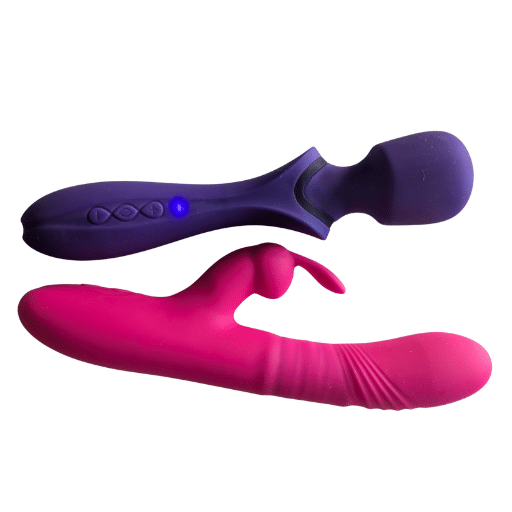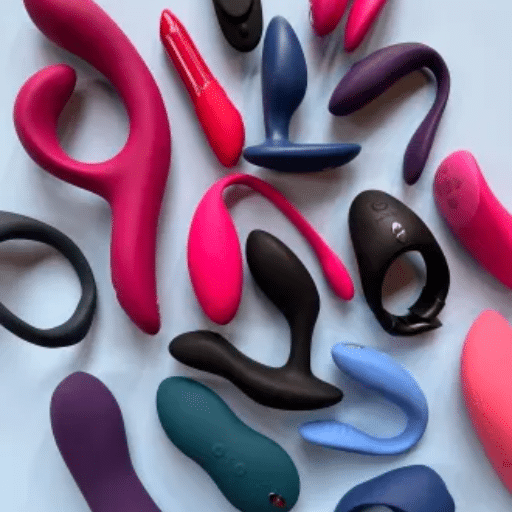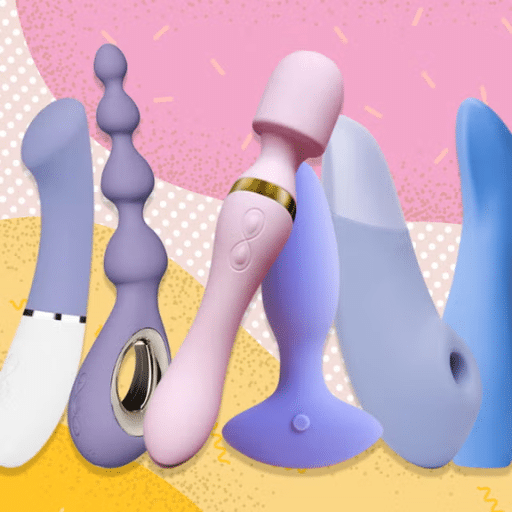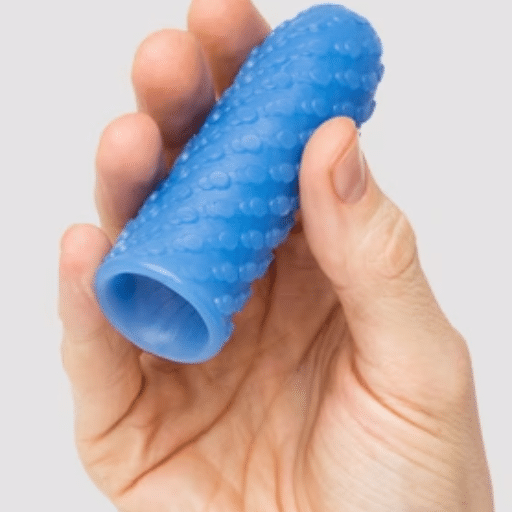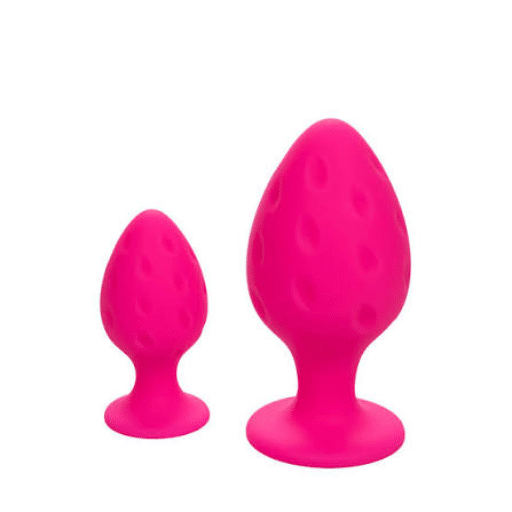
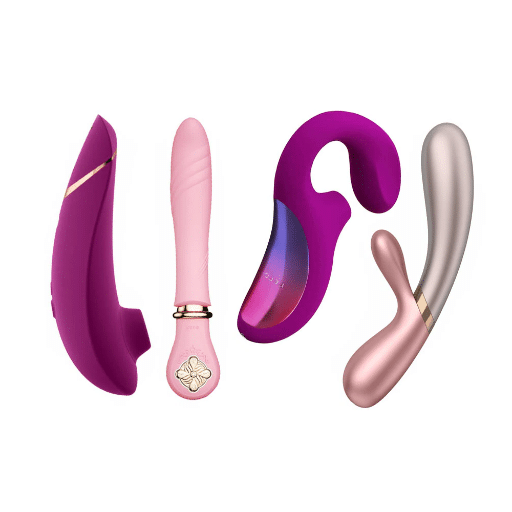
The world of sex toys has experienced a revolutionary transformation in recent years, driven by innovation, inclusivity, and a focus on enhancing personal well-being. With countless options on the market, finding high-quality products that cater to diverse needs and preferences can be overwhelming. This guide aims to shed light on the most trusted and reputable sex toy manufacturers, helping you make informed decisions about brands that prioritize safety, quality, and satisfaction. Whether you’re new to the scene or a seasoned enthusiast, this article will explore industry leaders shaping the landscape of sexual wellness and why they stand out in an increasingly competitive field.
What Factors Make a Sex Toy Manufacturer Stand Out?

Understanding Quality and Safety Standards in the Industry
Quality and safety factors largely into the continuity of a sex toy manufacturer. Topmost brands follow strictly enforced regulations, and they incorporate only body-safe materials into their products, mainly referring to medical-grade silicone, non-porous metals, or hypoallergenic plastics. They do not contain harmful compounds such as phthalates, which can cause severe health effects.
Product design and durability are other quality indicators. Reputable manufacturers design products ergonomically, user-friendly, and durable enough so that they may be of repeated use. This would, of course, imply waterproofing, seamless construction for ease in cleaning, and rechargeable batteries to go with ease and efficiency. Brands supporting hygiene in usage tend to design their toys so that they are a breeze to clean, with no cracks or crevices where bacteria may take refuge.
Another factor that could bring transparency to companies includes clear labeling of materials, straightforward instructions for use, availability of customer service, etc. Leading manufacturers usually offer their products with a warranty that promotes their commitment to quality and customer satisfaction. By correlating all of these factors, a patron would be able to spot worthy brands that promote health, comfort, and long-term use.
Innovations and Trends in the Sex Toy Market
Innovation in adult toys inevitably occurs as a result of changes in consumer preferences and the integration of technology. Holding paramount relevance in consumer technology is the advent of app-enabled devices, permitting remote control from a distance and customization of user experience. These innovations provide consumers with personalized, interactive, and discreet options by means of Bluetooth and Wi-Fi, catering to the tech-oriented generation. Also on the rise are the AI-enabled products that predict states and adapt accordingly to optimize performance.
Another trend that has been catching the eye is the use of sustainable materials and environmentally friendly production techniques. In an eco-conscious world, manufacturers had best resort to the use of body-safe, recyclable, and biodegradable materials. This contributes toward sustainability globally and targets consumers who care about ethical consumption. Brands that embrace sustainability can be seen as competitive, and the consumers may share an affinity with them.
Inclusivity and accessibility in design are also focal points. Companies are now broadening their product stacks to include the diverse needs, sexualities, and abilities of consumers. Ergonomic designs and gender-neutral aesthetics and capabilities are now more common, so a larger constituency may gain value. These advances exist on a bigger scale that accepts inclusion and will continue to be a benchmark for an expanded industry.
How Do Sex Toy Manufacturers Ensure Product Quality?

The Importance of Body-Safe Materials in Sex Toy Production
Sex toy manufacturing using body-safe materials is a crucial means to safeguard consumer health and ensure product functionality. Materials such as medical-grade silicone, ABS plastic, stainless steel, and borosilicate glass are often selected by manufacturers for their hypoallergenic, non-porous, and toxin-free characteristics. Non-porous surfaces are very important because they prevent bacteria from soaking into the material, thereby protecting the user from infections or irritations during use. Compliance with regulatory bodies such as RoHS, REACH, and FDA empowers another assurance layer that states the absence of harmful constituents like phthalates, lead, and BPA in such materials.
On the other hand, developments in material science incite the latest innovations in this industry. For instance, proprietary silicones with improved durability and flexibility have been developed, thus producing products with more adaptable and ergonomic designs that fit a wide range of consumer tastes. Increasingly, manufacturers are employing stringent testing protocols, including tests for cytotoxicity and biocompatibility, to confirm the safety of their products. These measures confirm the best interests of the end-users, while also strongly buttressing the industry’s pursuit of ethical manufacturing practices.
Thanks to the continued use of body-safe materials and the adoption of stringent quality control procedures, sex toy manufacturers establish their products as safe and the basis for consumer trust, thus furthering market growth.
Testing and Safety Protocols in Manufacturing
Sex toy manufacturing and production are carried out under stringent testing and safety standards for consumer protection and in compliance with health and safety statutes. One of the major testing steps is for materials: raw materials are subjected to far-reaching tests to confirm that they are non-toxic, hypoallergenic, and generally biocompatible with the body. This also involves a series of chemical composition tests for detecting and discarding substances that might, in fact, be harmful substances like phthalates, heavy metals, or other restricted compounds.
Other relevant safety procedures include mechanical tests to confirm whether the products meet criteria for durability, flexibility, and resistance to wear in abnormal conditions. Therefore, the product should withstand prolonged use, minimizing the risks of any kind of mechanical failure. In the case of battery-operated or fully electronic devices, EMC (electromagnetic compatibility) tests are conducted to confirm that all devices work safely without electrical interferences or hazards.
Microbial resistance testing is another layer of scrutiny whereby the products are assessed for their capacity to inhibit the growth of microbes, which is especially needed for those products that come into prolonged contact with sensitive body areas. These tests generally simulate the conditions that apply in practice to prove the performance of a product and to detect a possible risk.
Industry uses state-of-the-art analytical methods that comply with norms at an international level, such as ISO 10993 and ASTM guidelines, to create the benchmarks in terms of quality and safety. Therefore, confidence reinforcements are created through regular audits, batch testing, and recertifications, ensuring that every single product goes through stringent safety check-ups before going to the consumer market. This multi-tiered system affirms a commitment to excellence and public health, giving the consumer a sense of assurance in the industry.
Who are the Leading Sex Toy Manufacturers in the World?

Exploring the Top Companies and Their Brands
The global sex toy industry is dominated by a few players who have made a name for themselves on the pillars of innovation, quality, and customer orientation. Among these companies, Lelo, We-Vibe, and Womanizer are the best remembered and highly reputed for design and advanced functionality. The brands are committed to delivering products that masterfully blend visual appeal with performance capability, learning a large degree of consumer trust. Their R&D investment has led to breakthrough technologies, including app control, ergonomics, and comfort-based features.
Another name worthy of mention in the industry is Lovehoney. The internationally well-known name is home to a broad range of products that appeal to a wide spectrum of tastes. Thanks to the brand’s emphasis on inclusivity and affordability, it has been able to bring sexual wellness products within reach of a larger population, thus building a loyal worldwide customer base. Similarly, brands like Satisfyer assure their clients of great quality and functional toys at great prices, which can be almost an irresistible proposition for newcomers as well as first-time buyers.
Emerging players like CNJOYFLICK are also making major market contributions. CNJOYFLICK has earned an amazing reputation among the players for safety and innovation, ensuring that consumers can freely explore sexual wellness without fear. By observing international safety standards and creating new-age, user-friendly products, they are taking good strides to create an impression for themselves in a tough global contest. The mix of long-established names and new-age operators guarantees that the customer gets reliable options of very high quality.
What Sets Apart the Best Sex Toy Manufacturers?
The best sex toy manufacturers typically possess strengths considered distinctive. Product design and innovation come first. When innovating, the manufacturers spend a lot on research and development and use materials science, ergonomic design, and technological advances to make products that serve various needs and preferences. One example is many leading industrialists opting for medical-grade silicone, which is safe for the human body and durable, thus meeting stringent health standards.
Further on, consumer education and access are some of the top priorities of premium manufacturers. They provide transparent product information, clear instructions, material certifications, and usage guidelines so that consumers may decide for themselves. They also tend to provide multilingual support and information that is helpful to foreign markets.
Beyond that, these types of manufacturers may commit to stringent quality assurance processes and testing procedures throughout production so that their products would be safe, functional, and up to the specified performance, taking ISO certifications into their compliance standards. This very strict alignment with regulatory compliance and ethical production practices, hence, serves to build consumer trust.
Lastly, sustainability could prove to be another good reason to set apart exceptional manufacturers. Following the consumer awakening to environmental impacts, a big number of them are being mothballed with green initiatives, from recyclable packaging to energy-efficient designs for their cordless toys, to finally, being considerate about the waste generated throughout their production. This impact not only aligns with sustainable goals recognized worldwide but is also a strong statement about doing responsible business in the near future.
How is a Sex Toy Factory Typically Organized?

Step-by-Step Manufacturing Process Overview
The manufacturing process for a sex toy factory is highly articulated to maintain quality, safety, and compliance with industry standards. The stages outlined below offer a breakdown of a generalized layout of the processes involved:
- Design and Prototyping: It starts with a research-driven design of the product using the best software available, such as CAD (Computer-Aided Design), for working with the product at the precise level. Ergonomics, compatibility with materials, and the functionality of devices are considered. Prototypes are either 3D printed or cast for aesthetic, durability, and performance testing before mass production.
- Material Selection and Sourcing: Materials are selected with utmost quality based on the product specifications required. Medical-grade silicone, ABS plastic, TPE (thermoplastic elastomer), and stainless steel are widely used. Often, manufacturers source raw materials from certified suppliers to render their raw materials compliant with regulatory certificates like RoHS and REACH.
- Injection Molding and Casting: The prepared raw materials are melted and molded into precision dies in an injection molder or casting machine. This operation lends consistency in product dimensions and ensures the product’s structural integrity. For silicone toys, injection molding of liquid silicone rubber (LSR) is considered the best method due to its inherent superiority in terms of delicacy and versatility.
- Electronic Assembly: In assembly, if the product consists of electronics, integration of vibrator motors, PCBs (printed circuit boards), and rechargeable batteries takes place. Circuit testing verifies parameters like current consumption, safety of operation, and reliability of performance. Waterproof sealing is achieved by either ultrasonic welding or the use of silicone gaskets.
- Surface Treatment and Detailing: From here, the products become treated with multiple surface processes, such as polishing, texturing, coating, or painting, to provide a satisfactory effect on the eye and touch. All materials used must be safe for the skin.
- Quality Control and Testing: Each batch undergoes fairly rigorous testing to ensure that the product complies with safety regulations such as ISO 10993 for biocompatibility. Testing includes tensile force testing, waterproof testing (usually IPX6+ standard), temperature resistance tests, and usability tests.
- Packaging and Labeling: Following eco-conscious trends, manufacturers are packaging products in biodegradable or recyclable packaging. The products are sterilized where applicable and packed in tamper-proof boxes along with informative labels. Each label clearly states all legal requirements and information for usage instructions, safety warnings, and relevant certifications.
- Distribution and Logistics: Upon completion, the products are placed in an environment-conscious storage facility until they are distributed. Manufacturers align and exploit global logistics networks to ensure the timely delivery of products while minimizing the carbon footprint as far as possible through conscious pre-planning of shipping routes and bulk shipping.
With adherence to such streamlined stages, factories can ensure products that hit the market meet consumer satisfaction and adhere to relevant environmental and industrial benchmarks.
The Role of Innovation and Technology in Production
Innovation and technology have been integral in transforming the production process to achieve greater efficiency, reduce waste, and meet global demand. They equip manufacturers with the means to keep their competitive advantages while upholding sustainability and quality standards.
- Automation and Robotics: Advanced automation systems and industrial robots carry out repetitive tasks with higher precision and produce continuously. International Federation of Robotics reports that robot installations across the globe had reached an estimated figure of 517,385 in 2022, thus portraying an increase of 31% from the previous year. The adoption of robots thus stands testimony to the rising need for productivity, with an increasing rush into robotics.
- Digital Twins: A digital twin is a virtual model of a physical product or process. This permits manufacturers to simulate, track, and optimize systems in real-time.
- 3D Printing (Additive Manufacturing): A 3D printer is a game changer in production, allowing for rapid prototyping and customized machining. It is almost a zero-waste technology since it produces on a layer-by-layer basis. The value of the global additive manufacturing market was $13.84 billion in 2021 and is forecasted to grow with a CAGR of 20.8% from 2022 to 2030.
- IoT and Smart Manufacturing: IoT integrates sensors and connected devices into production facilities to gather data for better decision-making. Smart manufacturing systems then use this data to optimize processes, predict maintenance needs for equipment, and enhance energy efficiency.
- Artificial Intelligence and Machine Learning (AI/ML): AI and ML algorithms process complicated production data to surface potential efficiencies in current processes and forecast future trends. The technologies further enhance quality control by spotting defects with unparalleled precision.
By implementing any or all of the above developments, production facilities can highly improve their output, quality, and sustainability, keeping them resilient in an evolving business environment.
How Factories Maintain Quality Control Standards
The factories keep their quality control standards by building upon state-of-the-art technologies, sound processes, and strict compliance regulations. In modern times, the heart of quality assurance consists of automation technologies integrated with IoT-enabled sensors and AI-based monitoring systems that acquire data in real-time and precisely detect defects. IoT devices may ensure the optimum operating conditions by measuring some paramount parameters such as temperature, humidity, or the performance of equipment.
Standard frameworks are also typically implemented to make for a strong quality management system (QMS). The frameworks define the procedures for production workflow, product inspection, and corrective action very clearly to ensure the utmost precision in meeting product requirements. SPC is yet another methodology commonly applied; it is largely dependent on data analysis to highlight variances in the production, which thereby halts quality problems prior to their spiraling out of control.
Employee training carries significant weight, as do audits in operations. Through training, staff acquire knowledge or perhaps tools in the identification of any prospective faults, thus producing human controls complementary to the automated system. These audits ensure that safety standards and conduct are followed while continuously searching for improvements. By combining the best technological practices of the highest order, factories will, on the other hand, satisfy standards of high-quality production and remain at the forefront of the bearing industry.
What to Consider When Choosing a Sex Toy Brand?

Evaluating Product Quality and Safety
When determining the quality and safety of a sex toy brand, some factors deserve prime consideration. The first of these is the material composition of the products. Medical-grade or other body-safe materials such as silicone, ABS plastic, or stainless steel should be used so that the materials are non-toxic and hypoallergenic. Products should be verified not to contain phthalates, latex, or any other harmful substances. Brands that offer third-party certification or whose products comply with international safety standards will strengthen product safety assurance, such as RoHS or CE certifications.
Another fine detail of the craft is in design. They use smooth finishes; components are well-sealed and constructed to fit ergonomically. Designs will enhance performance and hygiene. Now, waterproof ratings or water resistance, preferably above IPX6, are a must for easy cleaning and further fortification. Moreover, the brands that openly provide information on manufacturing policies, including quality control, would be the ones that would warrant a little extra consumer trust.
The comprehensive warranty period and customer service are two other indirect means of assessing a brand’s assurance in its products. Ultimately, when there are user reviews or scientific evaluations, both provide certain real-world insight regarding the performance and safety of the product in different scenarios, further allowing consumers to make informed decisions about what to select as a reputable brand.
Understanding Consumer Focus and Privacy Policies
Modern consumers increasingly seek experiences that provide a personal touch, with data privacy and corporate ethics joining the ranks of their concerns. Those companies that put customer service first establish a deeper relationship with the customer by way of personalized services, transparency, and responsiveness. Keeping with this approach necessitates a profound understanding of human behaviors that accounts for the tracking of affinities and cutting-edge strategies to service adopting demand. Consumer-centric brands tend to use a customer feedback loop, behavior-oriented analytics, and user-centered design techniques for better services. These strategies help increase satisfaction among users, while simultaneously nurturing long-term brand loyalty by showing consumers that their concerns-they could be individual or group-related-will be addressed.
In contrast, all these mechanisms directed to the user experience have to be balanced with the presence of a robust privacy policy. Privacy policies might state how consumer data is collected, how it is stored, and how it is used, ensuring that all processing of personal information respects standards such as the GDPR or the CCPA. Having great wording in your privacy policy is more than just a legal requirement; it is a brand declaration that tells the world that you stand for the ethical use of data. Better transparency for consumers allows them to make informed decisions about what happens with their data. Prospective organizations that can address cybersecurity risks promptly and show that, as new privacy standards take effect, they remain in compliance, become better candidates for being considered trusted and accountable stakeholders.
Inclusive of securing their assets with the latest technological initiatives, be it AI in data and privacy management, encryption methodologies, plus other developments in privacy policy—a statutory instrument seldom seems to remain static any longer but morphs into a flexible framework that evolves with threats and regulations. Injecting privacy within the development process—also known as “privacy by design”—gives the brand a solid foothold where personalization meets data protection. This assures consumers that they remain steadfast in their dealings with brands that truly value and protect their information, which ultimately marks the other end of the consumer experience.
How to Find the Best Sex Toy for Your Desire and Health
Choosing the sex toy depends on an insight into one’s likes and dislikes, health situations, and the state-of-the-art technology commercially available. Identifying one’s priority-goals could be an excitement of temporal gratification or a temporary spark for partner-sex or indeed pelvic exercise. Each is well connected with a particular type of device, easy-love devices: vibrators, dildos, Kegel, or wearable stimulators.
Materials require consideration to choosing a safe sex toy. Choose products in non-porous materials that are body-safe, such as medical-grade silicone, stainless steel, or borosilicate glass, which do not cause irritation or infection. Likewise, research the manufacturer and their certification to ensure quality and compliance with regulatory standards.
This is where technology plays a big role, granting features such as app connectivity for customized vibrations or remote control operations for partnered play, quiet motors ensuring maximum discretion, and of course, some developments may give you biofeedback on your progress through the exercises, which is great for pelvic health.
Last but not least, check for customers’ reviews and opinions from experts to confirm your choice. Easy cleaning is the first thing to consider; then comes ergonomic design and durability. These three aid greatly in lasting pleasure and secure use. After narrowing down your needs through some vital considerations, finding the ideal sex toy may very well be an enjoyable and informed experience.
References
-
Changing Design Aesthetic: Trends, and Social Organizations of the Growing Toy Market for the Adult Collector – Discusses trends and manufacturing techniques in the adult toy market.
-
Creative playthings: Educational toys and postwar American culture – Explores the history and cultural impact of toy manufacturing, including adult-oriented designs.
-
Learning from toy makers in the field to inform teaching engineering design in the classroom – Examines the skills and knowledge gained from toy manufacturing, including adult toy makers.
-
Surveying Parents’ Attitudes towards the Hazards of Children’s Toys – While focused on children’s toys, it provides insights into manufacturing standards and safety considerations relevant to all toy categories.
-
Toys Are for Adults: An Exploration in Collecting Toys and Why We Love Them – Explores the rise of adult toy companies and their cultural significance.
Frequently Asked Questions (FAQ)
Q: How can I ensure that a sex toy is made from body-safe materials?
A: Look for products labeled as body-safe, which typically means they are made from medical-grade silicone, ABS plastic, or phthalate-free materials. Reputable sex toy companies usually provide this information on their packaging or website.
Q: Is it worth investing in high-end sex toys from well-known manufacturers?
A: High-end sex toys from reputable manufacturers can be worth the investment due to their durability, advanced features, and use of body-safe materials. They often provide a superior experience compared to cheaper alternatives.
Q: What role does innovation play in the sex toy industry?
A: Innovation is crucial in the sex toy industry as it leads to new designs, features, and technologies that enhance user experience.
Q: What are some common types of adult novelty items offered by sex toy manufacturers?
A: Common adult novelty items include vibrating rings, massage oils, bondage gear, and themed costumes. These products are designed to add variety and fun to intimate experiences.
Q: Are there any sex toy companies that focus on eco-friendly products?
A: Yes, some companies are committed to sustainability and offer eco-friendly products. They use recyclable materials and minimal packaging to reduce their environmental impact.
Q: Can retailers offer guidance on selecting the right sex toy?
A: Many retailers provide detailed product descriptions, customer reviews, and sometimes even expert advice to help you choose the right sex toy for your needs. Don’t hesitate to reach out to their customer service for assistance.