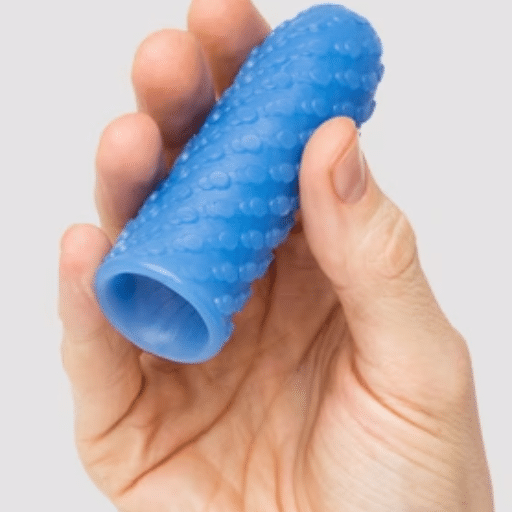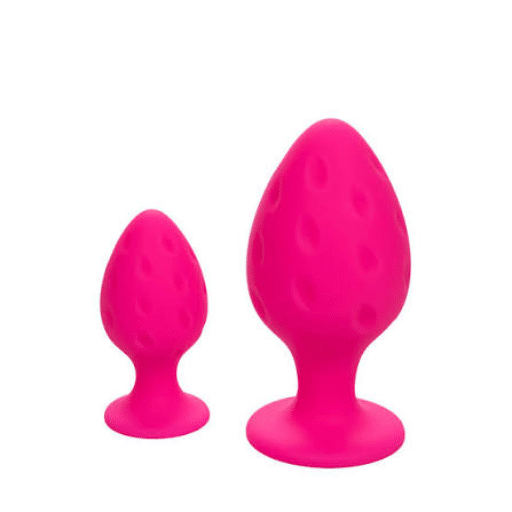
Thorough cleaning and maintenance of sex toys is a necessary preventative measure for infections and ensuring the tasteful longevity of your products. With the right approaches, cleaning a dildo does not have to be a detrimental problem over time. This guide will walk you through the specifics of effectively and safely cleaning your sex toys, whether they are silicone, glass, or other materials; step-by-step. You’ll know not only the reason why hygiene is vital, but also how to integrate a cleaning routine into your daily life by the end of this article.
What is the Best Way to Clean Sex Toys?

The best approach to clean sex toys varies with the materials used. For porous materials such as silicone, glass, or stainless steel, cleaning must be done thoroughly and requires warm water and a non-scented soap. Alternatively, if the manufacturer suggests, a toy-specific cleaner can be used. Cleaning requires special attention for porous materials, including jelly rubber or cyberskin due to the ability to store bacteria. Since porous materials can be harder to clean and more prone to contamination, using a gentle soap or described cleaner, rinsing thoroughly, letting them air dry completely is the best option. If the device has screws or holes it is advised not to fill them with water. Always consult the manufacturer’s recommendations, as submerging toys with electronic parts is not allowed unless they are waterproof. Compliant cleanup increases safety, prolongs use, and helps maintain quality for the toys.
How to Properly Clean Your Dildo?
When it comes to dildos, a rigid procedure dials in the ideal levels of cleanliness and safety. Start by determining the material of the dildo first. It could be glass or silicone, stainless steel, rubber or cyberskin which is considered porous. Nonporous materials, such as medical-grade silicone, are relatively easier to clean compared to porous materials, which trap bacteria and require thorough cleaning.
- Initial Rinse
Wash the dildo under warm running water. Spraying it under warm water helps remove all unwanted detritus and surface residue before using cleaning substances.
- Apply an Appropriate Cleaner
Mild fragrance free soap and sex toy designated cleaners could also be used. Stay away from harsh chemicals and alcohol-based cleaners because they can hurt certain materials. If done with alcohol cleaners, all toys dehydrated, causing irritation when they’re used later on.
- Scrubbing Technique
With your hands or a designated soft cleaning cloth, make sure to wipe the surface of the dildo with some water. For detailed grooves, you can grab soft bristle brushes and clean all those small spaces thoroughly.
- Rinse Thoroughly
Rinsing the dildo with warm water afterward aids in removing soap or any sort of cleaner that is left over. Over time, leftover cleaning agents can inflict skin irritations and material damage.
- Sanitization (If Applicable)
Moreover, for additional confirmation, non-porous dildos made from glass or stainless steel can be further sanitized through boiling for 5-10 minutes or dishwashers, so long as there are no embedded electronic components. Always check the manufacturer for heat resistance confirmation.
- Drying Procedure
Thoroughly clean spaces are ideal for letting the dildo dry completely. Pat drying with a lint-free towel or placing it on a drying rack works, but be mindful not to storage the toy until the surface is cool and dry as moisture promotes the growth of bacteria.
- Storage Recommendations
Once fully dry, the dildo can be stored in inconspicuous places and away from direct sunlight and places with extreme temperatures. Lastly, different material toys should be kept separate so that degradation or chemical reactions do not occur.
Hygiene, safety, and quality are some of the most important aspects for your dildo. Following these steps ensures that consistent cleaning practices are followed, preventing health issues while increasing product lifespan.
What are the Best Cleaning Methods for Different Materials?
Proper hygiene and long-lasting life of the product considers composition and resilience of each type when determining the right cleaning methods. Wash silicone-based products regularly with warm water and mild, unscented soap for effective results. Boiling silicone objects like non-electronic and boil-safe items for three to five minutes is another option for thorough sanitization as it helps eliminate bacteria and other pathogens.
The cleaning process for glass items is also applicable to borosilicate and tempered glass. General cleaning requires warm soapy water, while deeper cleaning requires high sterilization techniques such as boiling. Before cleaning, inspect the item for damage. Broken glass can contain unsafe bacteria and pose a safety risk.
Rubber and jelly foam as well as PVC belong to more porous materials and require extra attention due to their ability to absorb moisture and bacteria. Boiling is never an option. These need to be cleaned with specialized toy solutions or mild soap with warm water while rinsing extensively. Posed materials are generally less durable so they should be exchanged at the first sign of damage to mitigate health risks.
Do not immerse anything containing motors or batteries into water such as electronic goods. These need to be wiped down with soapy cloths or toy cleaning solutions. Only the outside should be cleaned in order to prevent soaking internal mechanics, and no moisture should be present as well. Attachments and silicone accessories can often be detached and washed separately, making these easier to clean.
To ensure the item is safe for the user, proper care tailored to the material must be done. Having distinct cleaning protocols for each material guarantees the item can be maintained, safe, and function properly—even after long-term use.
How to Clean Porous and Non-Porous Sex Toys?

To maintain sanitation and prolong the longevity of sex toys of different materials, cleaning porous and non-porous items requires different approaches:
- Porous Sex Toys: Jelly, silicone blends and rubber are some POROUS materials that make rough sex toys. Because these can absorb moisture and bacteria, they should be washed with warm water along with gentle unscented soap after every single use. While they cannot be fully sterilized, grabbing a condom dramatically reduces the risk of misuse.
- Non-Porous Sex Toys: Easier to clean are those made of stainless steel, borosilicate glass or medical grade silicone since they possess non-porous surfaces. Warm water combined with mild soap or a designated sex toy cleaner can be used for washing. If waterproof and free from electronics, many of these toys can be sanitized through boiling for 3 to 5 minutes.
What Are Porous Materials and Why Do They Matter?
Porous materials are those that have small pores which allows them to absorb substances such as moisture or oils. In the case of sex toys, several soft plastics (like jelly rubber) along with certain composites, are used. It is essential to consider these materials because their ability to trap bacteria, microorganisms, or any foreign and aid in health hazards especially infections when the device is reused health risks when infections like periods or cleaning is breach of hygiene is can remain unhygienic. Unlike non-porous alternatives like silicone or glass, these materials provide insufficient sanitation. Hygiene becomes compromised with time and material composition should always be sterilized. Users must scrutinize the constituents product made of intime cases demand high durability. Safety effortlessly easy dismantlement toy becomes preferred choice risk utilizing barrier can reduce risks of some afford. Informed decisions aid understanding across different categories personal care products.
How to Clean Non-Porous Sex Toys Effectively?
Like many erotic and pleasure toys, non-porous sex toys require maintenance in the form of proper cleaning after use. To maintain hygiene while prolonging its usefulness, cleaning requires a procedure. For starters, rinse the toy under running warm water immediately to scrub off any surface residue. Mr. Clean might help you deep clean the device gently, only make sure to not use scented cleansers. Surface cleaning using soap, gentle hand disinfectants, or designated toy cleaners also work well for delicate materials.
Pay close attention to any grooves, seams, or textured areas because these are the spots where dirt and debris are likely to accumulate. Some non-porous toys made of silicone, glass, or stainless steel (as long as they do not have any mechanical parts or batteries) can also be boiled for three to five minutes, making sterilization simple and effective. Another way is to make a disinfecting solution using bleach by diluting it to 10% concentration (1 part bleach 9 parts water). In this case, thorough rinsing is critical to removing any chemical residue. Each manufacturer has specific care instructions from which you must check before cleaning with any electronic components using delicate finishes. After all, thorough air drying ensures item work is clean while remote storage awaits to protect it from microbial growth.
How to Disinfect Your Sex Toys?

Disinfection begins with the careful scrubbing of the toy with warm water and mild soap. After rinsing, disinfection can be done by using a 70% isopropyl alcohol solution, or with toy cleaner as long as the label specifies disinfectant-safe. For non-porous silicone, glass, or stainless steel materials, boil the toy in water for three to five minutes, assuming it has no electronic parts. For porous substances, do not boil as disinfection cannot be achieved; instead, scrub with soap and water, followed by disinfectant-safe soaps. Any disinfectants applied must be rinsed off derivatives of chemicals. Permit the toy to air dry completely prior to storing it to maintain hygiene.
What Cleaning Solutions are Safe for Dildos?
When choosing cleaning products for dildos, both the material of the toy and the safety of the solution need special attention. Slicing glass and silicone are non-porous materials, and can be cleaned with soap and warm water. Any medical grade silicone toys can be sanitized by boiling them in water for 10 minutes, as long as the toys do not have any electronic parts. An alternate method is soaking them in 70% isopropyl alcohol, which will fully disinfect the toy. Toys made with porous materials need specialized cleaners labeled for porous materials, as they may damage the toy while ensuring proper sanitation. All chemical cleaners need to be avoided as they degrade the materials used in the toy. Metals and other dangerous chemicals may lead to the toy warping and losing its form. Dildos and other toys submerged in hot materials will encounter enduring damage. Rinsing and air drying the toy will assist with maintaining its lifespan and hygienic use.
Is Bleach a Good Option for Cleaning?
As a disinfectant bleach is effective, however, it is not suggested for use on soft, porous, silicone-based toys. Their structure may, in fact, weaken, leading to discoloration and reduced lifespan span of the item. Rinsing poorly can leave dangerous surfaces that risk Health issues in later use due to inadequate cleaning. Even though bleach works effectively to eliminate most types of bacteria and viruses on non-porous surfaces, the disinfectant is highly caustic and ineffective for sensitive or personal items. Safer alternatives include alcohol-based disinfectants and more specialized cleaning solutions designed for the respective materials, both of which will yield the needed results without damaging the object.
How to Use a Toy Cleaner Properly?
Maintaining one’s personal gear requires them to be washed with a specific toy pained cleaner. First, as with any other product, read the instructions on the label to make sure it does not conflict with the constituent material of the item. Rinse the item to get rid of loose dirt and residue under warm still water. Apply the toy cleaner to the surface in the right amounts and areas bearing equal coverage on all sides as well as hard to reach places. Work the surface with a soft cloth, sponge or with your hands, all the while applying gentle pressure. The surface must be allowed to sit and soak for the period prescribed in the instructions so that it can maximize disinfecting properties as best as possible. The item should be rinsed under warm water to remove all traces of the cleaning solution, then it has to be gently patted dry with a towel free of lint. Ensure that the item has no moisture on it before storing it away to inhibit bacterial or fungal growth due to the stagnant moisture. A high quality cleaner not only do the needed sanitization but also improves the lifespan of the item by sustaining the structural integrity.
How to Store Your Sex Toys After Cleaning?

To avoid warm, moist environments that encourage the growth of bacteria or molds, master your sex toys to avoid them. To protect the toy from dust and other contaminants, store it in an individual clean and dry container or storage bag. Place each toy in a separate storage pouch to prevent material degradation from direct contact between different types of materials, like silicone or latex. Sex toys should be stored in a cool, dry, dark container, or a clean bag, so don’t toss them into a plastic bag. Avoid storing them in non-breathable bags too. Doing so may trap moisture which, when combined with warm temperatures, encourages bacteria to proliferate. Hypervigilance is recommended when checking the storage area for excess humidity.
What is the Best Way to Air Dry Your Toys?
Properly air-drying your toys is an essential step to ensure their longevity and hygiene. After thoroughly cleaning your toys with a suitable cleanser, gently pat them down with a clean, lint-free towel to remove excess water. Put the items within a level surface and ventilated room, but not in the direct heated daylight, as UV light can weaken certain materials over time. Placing them on a dish drying rack or microfiber towel helps to improve air circulation whilst not trapping water vapor. Avoid overlapping, or stacking as these may lead to slower drying times, and increased chances of bacterial activity. Proper air drying practices are critical as enhanced bacteriological safety whilst extending the usability of your toys.
How to Store Dildos in a Clean Environment?
Appropriate storage practices help maintain dildo hygiene, the integrity of the material, and usability over time. Start by selecting a clean, dry area with no temperature fluctuations. Individual fabric or silicone pouches provide the best level of protection, since they guard the toys from dust and other debris, along with contact with other materials that can cause degradation. Avoid certain types of storage whereby dildos made from silicone or rubber are stored in direct contact with each other, since this may lead to unwanted material reactions or damage to the surface.
In stagnant toys, molds and smells can develop if the toys are not cleaned and dried prior to being stored away. In turn, the material also deteriorates in quality over time. The toy’s materials play a vital role in meshing and absorbing into the toys’ porous materials. For added reassurance, antibacterial storage bags or compartments meant specifically for adult toys can be used. Furthermore, these areas should also be avoided as high humidity, and direct sunlight can speed up the breakdown and discoloration of the materials. Following these steps allows for clean, safe, and discreet storage.
How Often Should You Clean Your Sex Toys?

Used anal sex toys should be cleaned with a higher level of thoroughness to prevent the transmission of infections. Cleaning toys for this purpose as well as other forms of intimate activity make hygiene a high priority. Even less frequently used toys should be periodically cleansed to ensure that any residual dust or residue is removed. Care for the product as well as cleanliness follows the manufacturers steps including sanitizing, drying, and cleaning to ensure no residue or bacteria are left.
What Factors Affect Cleaning Frequency?
- Frequency of Use
Frequency of cleaning is best defined by how often a toy is used. Frequent usage, especially when coupled with bodily fluids or lubricants, leads to the need for enhanced hygiene, or else residue and bacteria will accumulate. Toys that are not intended for intimate activities should be cleaned after each encounter with multiple partners.
- Material Composition
Metal, silicone, or non-porous glass make scrubbing deeply entrenched bacteria extremely unlikely. Because of this, non-porous objects do not require thorough maintenance as often as other objects do. On the other hand, jelly or rubber, which are porous materials, absorb more fluid and bacteria therefore using these materials would require a more rigorous cleaning schedule to ensure safety.
- Storage Conditions
Toys that are stored in dusty or humid environments are at a greater risk of Contamination., which may require additional cleaning even if the toys are not used often. Storage in cool and dry conditions can help reduce maintenance but not as with hygienic standards. The usage of storage bags or dedicated cases can further reduce contamination.
- Type of Use
The activity during the use of a toy strongly determines cleaning frequency. It would be pointless to store toys that are used internally without cleaning them, it would encourage uncontrolled bacterial growth as they are associated with bodily fluids and require immediate attention. External toys, in contrast, while able to maintain a timely cleaning without immediacy, require sustained cleaning associated with the skin.
Considering these factors allows an effective cleaning schedule to be developed that meets individual needs while guaranteeing safety and extending product lifespan.
Reference Sources
-
“Bringing sex toys out of the dark: exploring unmitigated risks”: This study highlights the potential risks associated with sex toys, including the release of microplastics and nanoplastics during use, as well as the presence of harmful chemicals like phthalates. These substances can pose health risks, especially when in contact with sensitive body parts. The study also emphasizes the lack of regulatory oversight for sex toys compared to other consumer products.
-
“Why It’s Important to Wash Your Sex Toys”: This article stresses the importance of cleaning sex toys to prevent infections such as UTIs, bacterial vaginosis, and fungal infections. It also highlights the risk of spreading STIs if toys are not cleaned properly. Cleaning recommendations vary by material, with silicone, glass, and metal toys being easier to sanitize compared to porous materials like jelly, rubber, and cyberskin.
Frequently Asked Questions (FAQs)
Q: What is the best way to clean sex toys effectively?
A: The best way to clean sex toys effectively is to follow the manufacturer’s instructions. For most toys made of non-porous materials, you can wash them with warm water and mild soap or use a designated toy cleaner.
Q: How should I sanitize my sex toys?
A: To sanitize your sex toys, especially if they are made of non-porous materials, use an anti-bacterial spray or wipes, or soak them in a solution of water and vinegar for a few minutes. Always ensure they are thoroughly rinsed and dried before storage.
Q: Can I clean porous toys the same way as non-porous toys?
A: No, porous toys require more care as they can harbor bacteria. It’s best to use a damp cloth with mild soap to clean them and avoid soaking them in water. Always ensure to keep them clean to avoid any infections.
Q: Are all types of sex toys safe to clean in the dishwasher?
A: Not all types of sex toys are dishwasher safe. Only those specifically labeled as such, like certain non-porous toys, can be cleaned in the top rack of a dishwasher. Always check the manufacturer’s instructions before cleaning.
Q: How do I clean a vibrator properly?
A: To clean a vibrator, you can use a damp cloth with mild soap or a toy cleaner. If it’s a waterproof model, you can wash it with warm water. Make sure to dry it thoroughly before storing it in a dry place.
Q: What materials are best for easy to clean sex toys?
A: Toys made of non-porous materials like glass, silicone, and stainless steel are best for easy cleaning. They can be sanitized effectively and do not absorb bacteria.
Q: How often should I clean and store my sex toys?
A: You should clean your sex toys regularly, especially before and after each use. Store them in a clean, dry place to maintain their condition and prevent contamination.
Q: What is the safest way to store my sex toys?
A: The safest way to store your sex toys is in a clean, dry place, preferably in a dedicated toy bag or box that protects them from dust and other contaminants. Ensure they are completely dry before storing.