Understanding how to use a sex vibrator effectively can go a long way in exploring personal pleasure and wellness. It does not matter whether you are a first-time user or someone looking to enhance their experience with a vibrator; knowing the correct duration for using a vibrator can help you unlock its full potential. This guide will discuss factors such as safety and satisfaction influencing how long one should use a vibrator. We aim to offer insights that ensure the experience is tailored to the user’s needs, so they get the most from this remarkable tool. If you want to enhance your self-care routine by taking pleasure into your hands, read on to find the most effective techniques for your massager.
How to Effectively Use a Sex Vibrator?

Use a sex toy vibrator only after reading the manufacturer’s operational guidelines. Start cleaning the vibrator, use a gentle skin-safe cleanser before and after use to maintain hygiene. Lubricate the vibrator and target area with a water-based lubricant to enhance glide and comfort. Set the vibrator to the lowest setting, then increase it gradually to allow for sensation adaptation. Try to enjoy different modes or patterns to see what works best. Moreover, standing still while listening to your body and taking breaks is equally important. Maintain comfort throughout the session. To conserve and make the vibrator safe for future use, store it in a clean and dry place.
What is the Proper Way to Use a Vibrator?
Using a vibrator properly begins with understanding your device and your comfort preferences. Start by reading the user manual that accompanies the product to ensure safe and effective usage. Consider the following steps and details for a satisfying and safe experience:
- Hygiene First: Clean your vibrator before and after each use using a mild, non-alcoholic soap or a specialized toy cleaner. Regular cleaning prevents the buildup of bacteria or other unwanted substances, ensuring your safety.
- Choose the Right Setting: Many vibrators have adjustable speeds and patterns. Begin with a low setting and gradually increase the intensity until you find the most pleasurable level. Studies show that exploring various vibration settings can enhance relaxation and enjoyment.
- Lubrication Enhances Comfort: Opt for body-safe lubricants, such as water-based lubricants, which are compatible with most materials. Proper lubrication reduces friction and increases comfort, making the experience smoother and more pleasurable.
- Experiment with Areas: Vibrators are versatile and can be used on external and internal erogenous zones. Explore areas like the clitoris, nipples, or other sensitive spots to discover what feels best. Research suggests the clitoris contains over 8,000 nerve endings, making it a highly sensitive area.
- Time and Relaxation: Ensure you’re in a comfortable, private setting where you can take your time. Stress and discomfort can hinder pleasure, so relaxation is vital for the best experience.
- Safety Considerations: Avoid using a vibrator on irritated or injured skin. If you experience discomfort or unusual sensations, stop usage immediately. Rechargeable vibrators should be charged as instructed, and batteries should be replaced regularly for optimal performance.
By following these guidelines, you can make your vibrator a safe and enjoyable part of your intimate wellness routine, prioritizing self-care and personalization.
How Long Should You Use a Vibrator for Maximum Benefit?
People have different ideas of relaxation and how long they might spend on it. Studies suggest that, on average, any relaxation routine has positive effects after 5 to 20 minutes. Durations might be flexible based on the user’s sensitivity, the type of vibrator being used, or its settings.
Regardless of why one is feeling relaxed, experts suggest that the first few tries should involve feeling the sensations and vibrations for a shorter period. The body should warm up to the newly introduced routines, so take breaks to avoid discomfort during periods that can result in many sensitive periods later. Other than this, long-term sexual wellness uses vibrators a few times a week, so reach for moderation.
Enhanced benefits could be achieved if the experience is tailored to the user’s needs, like adjustable speed or pulsation patterns. Most ergonomic designs are shaped to fit the user’s hand. Aim for what matters most: safety, comfort, and wellness-oriented self-care.
Are There Specific Techniques for Personal Use?
Specific techniques can enhance personal use to ensure a comfortable and practical experience. Experimentation and self-awareness are crucial for discovering what works best for you. Start by selecting a cozy setting and taking the necessary steps to relax. Many experts suggest beginning with external stimulation to familiarize yourself with the sensations and gradually move to more targeted areas if desired.
When using a vibrator, adjusting the speed and pulsation settings allows you to create a personalized rhythm that suits your preferences. Research indicates that slow, consistent motions are often a good starting point, while others may find short, pulsing movements more pleasurable. For added comfort and safety, always use an appropriate lubricant, particularly with silicone or water-based vibrators, as this reduces friction and enhances the overall experience.
Additionally, time and duration play an important role. Studies suggest sessions lasting about 15-30 minutes can yield significant benefits for sexual wellness, such as improved circulation and heightened arousal response. It’s also worth noting that employing breathing techniques can help deepen relaxation and optimize the sensations experienced.
Ultimately, creating an environment where you feel at ease and exploring these techniques with patience and curiosity can significantly enhance personal wellness and overall satisfaction.
What Are the Risks of Using a Vibrator?

Using a vibrator is generally considered safe, but there are some potential risks to be aware of. Overuse can lead to temporary desensitization or soreness in the genitals, so it’s essential to use it in moderation. Failing to clean the vibrator properly may increase the risk of infections due to bacteria or other pathogens. Additionally, using a vibrator that is damaged or made from unsafe materials can pose health concerns. Always follow the manufacturer’s instructions, use body-safe products, and listen to your body’s comfort and limits to minimize these risks.
Can Infection Occur from Improper Use?
If proper precautions are not taken, infections can arise from the improper use of vibrators. One of the major causes of diseases is the lack of adequate cleaning of the device after use. Vibrators not cleaned properly risk harboring bacteria, yeast, or viruses, which can lead to bacterial and other infections, such as bacterial vaginosis or yeast infections. Studies indicate approximately 29% of women suffer from bacterial vaginosis, a condition often associated with imbalance of the bacteria in the vagina which could further escalate with unclean sex toys.
Additionally, using porous materials to make the vibrators also accounts for this. These materials are more difficult to clean and pose risks of bacteria and pathogens being left behind, even after cleaning the item. Body-safe non-porous materials, including medical-grade silicone, stainless steel, or borosilicate glass, should be used to remedy this situation.
Also, shared vibrators increase the risk of contracting sexually transmitted diseases such as chlamydia and gonorrhea if proper cleaning and protective coverings such as condoms are not used. Health organizations all around the world have indicated that STDs are becoming highly prevalent, with millions of new cases being registered each year.
To avoid infections, users must observe proper hygiene, such as cleaning vibrators with gentle soap and water or a designated cleaner after every use. Additionally, users must store the device in a sanitized location, not share it without proper disinfection, or leave it unattended in unsanitary locations. Using infection-free products alongside regular cleaning, prioritizing body-safe materials while cleaning all devices, and minimizing safety risks ensures protection against infections.
What Precautions Should Be Taken to Prevent Risks?
To safely use vibrators and reduce the risks of injury, users must adhere to a specific hygiene regimen, including material safety and proper usage etiquette. First and foremost, choose vibrators crafted from body-safe and non-porous materials, including medical-grade silicone, stainless steel, or ABS plastic. Non-porous materials are more sanitary and easier to clean, reducing the risk of harmful bacteria buildup. Remember to clean the device thoroughly after each use. Cleaning can be done with an abrasive product or dedicated cleanser for such toys; however, a soft toy scrubber must be used. In addition, wash the vibrator with warm water and soap if it is waterproof.
For other users, it is best not to share their vibrators. In cases where sharing is clinically essential, adding condoms on top of the device being controlled provides extra protection, thus making the risk minimal. Regular device inspection is crucial for external signs of damage, such as cracks or degradation of materials. Moreover, the product should not be used if it has indeterminate signs to reduce the risk of skin irritation or bacterial buildup.
Ensure adequate lubrication, mainly water-based or compatible types, is applied to avoid discomfort or injury before using the device. Health statistics indicate that misuse of vibrators may lead to mild injuries; for example, about 0.6% of the adult population has experienced some form of injury due to improper use. Ensuring that the lubricant does not react with the device materials and that the user’s comfort and safety needs are addressed is essential.
Lastly, the manufacturer’s instructions for charging and operating the device should be strictly followed to avert potential hazards such as overheating. Where applicable, regular battery changes and refraining from overuse enhance the device’s lifespan and safety. These comprehensive recommendations enable users to minimize risks while maximizing comfort and safety during use.
Are There Any Risks Associated with Overuse?

Indeed, there are dangers connected with excessive use. Gadgets like computers, laptops, and tablets, when used for prolonged periods, can lead to overheating, battery issues, and even discomfort for the user. Moreover, overexerting the gadgets also speeds up their wearing-out period due to strains placed on various parts, leading to miscalculations. In these situations, the manufacturer’s recommended usage instructions become the best course of action, alongside taking breaks during prolonged continuous use.
Potential for Pain or Discomfort
Prolonged usage of specific devices can cause physical discomfort known as repetitive strain injury (RSI). These include neck pain, shoulder tension, and wrist soreness, which may be caused by poor posture or lack of ergonomic support. Research shows that close to half of all device users experience musculoskeletal discomfort in some form after long periods of use. After all, “tech neck,” caused by prolonged, hunched-over sitting, is rising alongside chronic neck and upper-back disorders.
Eye strain is another issue that may arise due to prolonged screen usage, specifically excessive exposure to blue light and a lack of blinking. Also known as digital eye strain or computer vision syndrome, this condition worsens when the afflicted does not take steps to use ergonomic devices meant to alleviate such strain. New studies show that people who spend over six hours a day staring at screens are more likely to suffer from dry eyes, headaches, and blurred vision. To remedy these problems, the affected should practice the 20-20-20 rule and take breaks while maintaining good ergonomic posture. Moreover, adjustable chairs, screen filters, and wrist supports might alleviate discomfort.
Understanding the Proper Use to Prevent Injury
Ergonomics practices and general good habits must be observed to alleviate the risk of injury from extended use of technology. Research shows that using screens with poor posture can pose occupational health risks, such as upper quadrant musculoskeletal syndromes like neck and back pain. For instance, slouching and hunching over devices puts 60 pounds of excess compressive force on one’s neck, increasing the likelihood of getting ‘tech neck’.
Strain can further be alleviated with appropriate adjustments to the height of devices. Screens must be at eye level to prevent the head from tilting forward, posing the user’s risk of bending their head below 90 degrees. Neutral hands and arms are also critical in minimizing repetitive stress injuries like carpal tunnel syndrome, and supporting wrists during typing improves ergonomic precision. The data advocates using standing or sit-stand desks that allow users to change their position to promote movement and reduce prolonged immobility.
Another primary concern for reducing eye fatigue is the frequency of screen breaks. Experts recommend the 20-20-20 rule to counter digital eye strain after 20 minutes of screen time: look 20 feet away for 20 seconds. These recommendations and lifestyle choices, like drinking plenty of water and adjusting room illumination, improve users’ overall well-being and ergonomics.
Cleaning and Infection Prevention
Keeping the environment clean and maintaining sanitation is key to minimizing the spread of infectious diseases. Germs are less likely to spread with the routine cleaning of surfaces that are most commonly touched, including doors, light switches, and gadgets. Studies suggest that flu viruses can live on surfaces for up to 48 hours, just as E. coli bacteria can survive for days if surfaces are not sanitized properly. Effective cleaning includes using disinfectants, which the EPA has certified and proven to eliminate 99.9% of viruses and bacteria.
Infection prevention requires all hands on deck, which means proper hand hygiene. The CDC recommends washing hands with soap and water for at least twenty seconds, particularly after using dirty surfaces and prior to meals. Handy brushes also work well—those containing 60% or more alcohol can serve as good tools for removing dangerous germs. Following cleaning guidelines and good hygiene offers the best protection against infections in private and public settings.
How to Choose a Popular and Effective Vibrator?

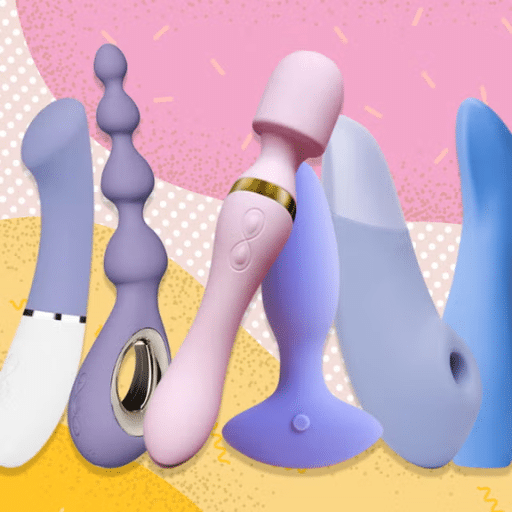
Explore our wide selection of effective vibrators, picking one that suits your fancy. They include clitoral, G-spot, and multi-functional motors that offer the stimulation you yearn for—other key aspects to consider when buying include size, shape, and functionality. Don’t forget to verify the body safety of materials (silicone) included in the product and whether it’s waterproof. Assess value range, power control, and noise level, which should respect your level of comfort and privacy. Reliable and results-filling brands can be found through reading reviews and reputable surveys. Most importantly, determine your budget to get the most value at the price you set.
Considering Shape and Design
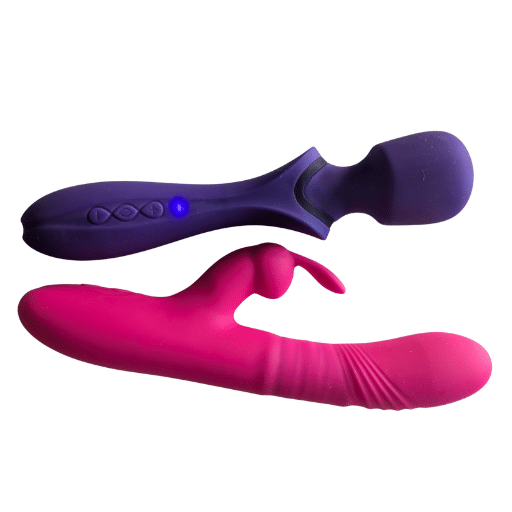
Comfort and effectiveness closely relate to shape and design, so different vibrators, such as slim, curved, or bulbous, can specifically aim for an erogenous zone. For example, vibrators with a curved design may work well with G-spot stimulation because the internal shape provides proper stimulation. Bullet vibrators are compact and straightforward, serving external pleasure as well as ease of use.
Increased demand driven by user preference data suggests that people are leaning towards more ergonomic designs, particularly bendable ones that contour to the body. Moreover, dual stimulation vibrators that simultaneously stimulate the clit and G-spot are preferred because of their multifunctional use. Body-safe options with softer medical-grade silicone that are easy to clean also provide some appeal. Research points to an increased interest in discreet designs, such as everyday objects or quiet models, to ensure privacy. These factors must be catered to meet user expectations about physical and aesthetic requirements.
Evaluating Quality and Material
While evaluating the quality and material, some of the most paramount components are longevity, body safety, and overall user satisfaction. Medical-grade silicone and ABS plastic are among the most recommended due to their non-porous, hypoallergenic, and maintenance-free features. Research indicates that silicone-based products are highly appreciated for their softness, flexibility, and skin-like texture, thus serving as the best option for users prioritizing their comfort and safety.
On the other hand, products made with phthalates and BPA-free materials are among consumers’ preferred products, as these chemicals are associated with health risks. Certifications like RoHS or FDA compliance are in high demand among users for safety assurance. Recent findings indicate that noise levels and operational durability have also gained importance and are ranked among deciding factors. In customer satisfaction surveys, quieter devices and long-term use durability scored better. Considering these elements greatly improves the experience and decision-making process.
What specific sex vibrator features should you look for?

While selecting a sex vibrator, look for features that best suit your needs and comfort. Ensure an adjustable vibration feature allows for customization, a quiet motor for discretion, and a safe material like medical-grade silicone. Waterproof designs afford versatility and easy cleaning. Rechargeable batteries or other long-lasting power sources are ideal. Prioritize ergonomic shapes, safety certifications, and safety standard endorsements.
The Importance of Vibrator Button and Control Design
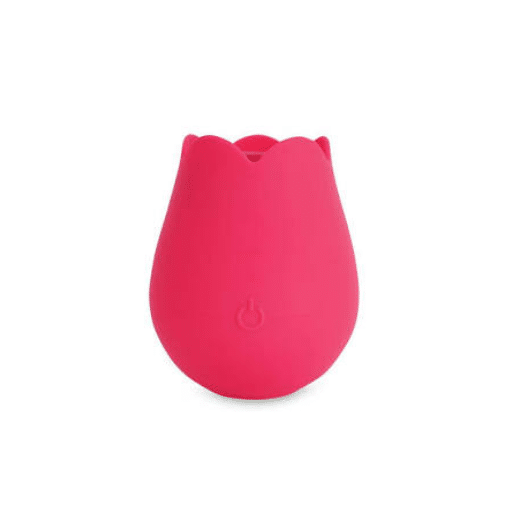
User satisfaction with vibrators may depend on the product’s button designs, layouts, and ergonomics. Research has found that button design contributes to user confidence, especially for inexperienced users, which encourages more exploration with the device. Also, a survey suggests that more than 70 percent of users prefer turntable tactile buttons that can be easily manipulated by hand without the need to look directly at the device.
Current models add features like LED-lit buttons for low-light orientation and tactile control markings that resist scrolling to broaden the ergonomic enhancements. Accurately marked levels or haptic feedback allow real-time adjustment, streamlining precision modification. Through-the-app digital controls provide effortless enhanced functionality, making customization and experience subordinated only to the user’s preferences. Step-by-step ergonomic control design improves optimal comfort and usability for versatile user psychology.
Reference Sources
Prevalence and characteristics of vibrator use by women in the United States
Prevalence and characteristics of vibrator use by men in the United States
Prevalence and characteristics of vibrator use among women who have sex with women
Frequently Asked Questions (FAQs)
1. Is there a recommended time limit for using a sex vibrator?
There isn’t a universally set time limit for using a vibrator. It’s crucial to listen to your body and use it for as long as it feels pleasurable and comfortable. Overuse may cause temporary sensitivity, so moderation is key.
2. Can prolonged use of a vibrator cause harm?
Using a vibrator for an extended period in a single session may lead to temporary numbness or desensitization in some individuals. Taking regular breaks and changing techniques can help mitigate this.
3. How often can I use a vibrator?
The frequency of use depends on individual preferences and needs. Some people may use it daily, while others may use it occasionally. As long as it doesn’t lead to discomfort or interfere with other aspects of life, it’s safe to use it as often as desired.
4. How do I know when to stop during a session?
Listen to your body and stop if you experience discomfort, irritation, or reduced sensitivity. It’s essential to ensure that each session remains enjoyable and pain-free.
Everyone’s body differs, so usage times and preferences will vary. Always prioritize comfort and personal well-being.