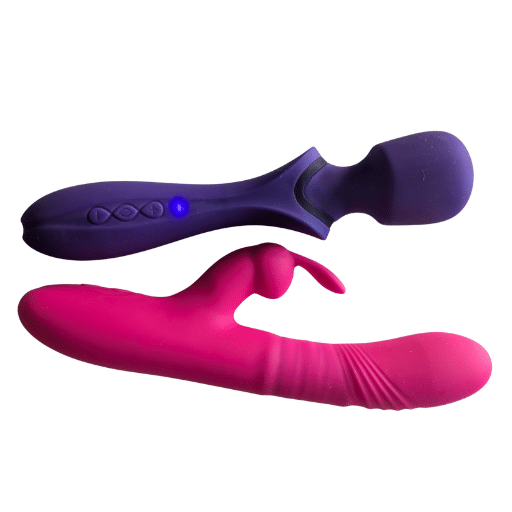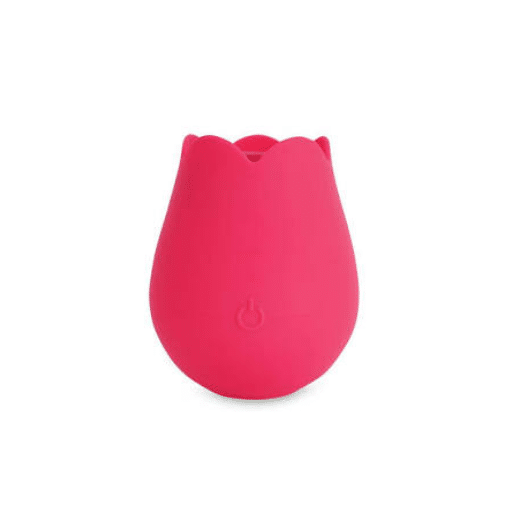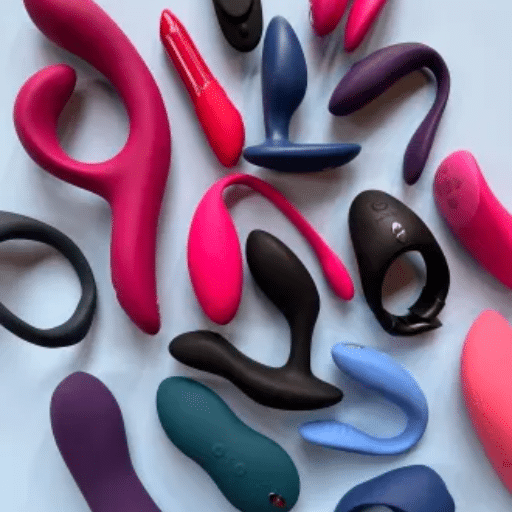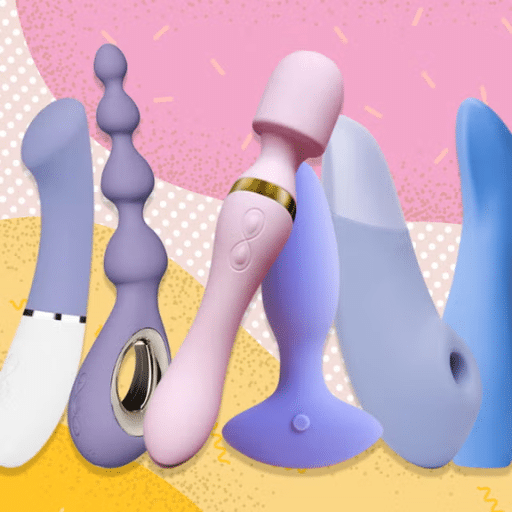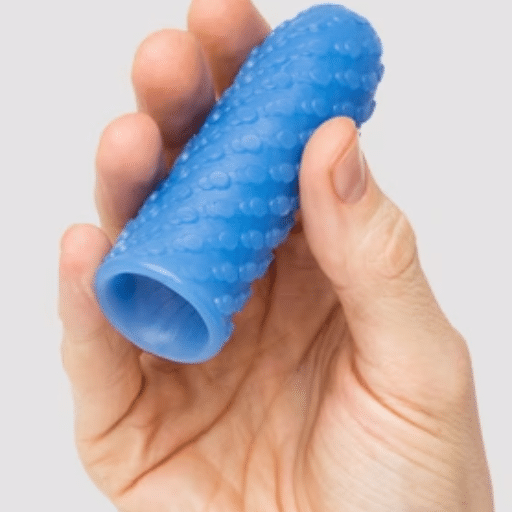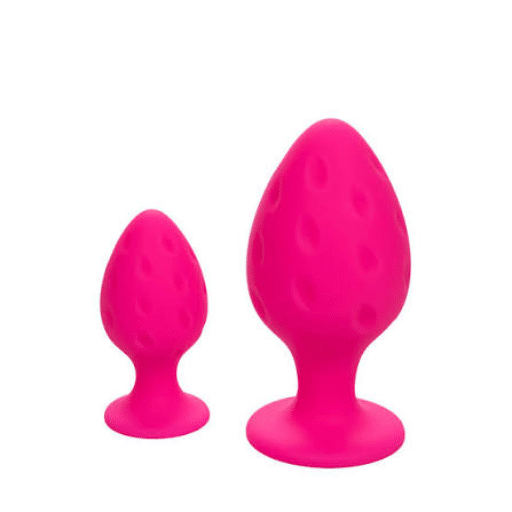
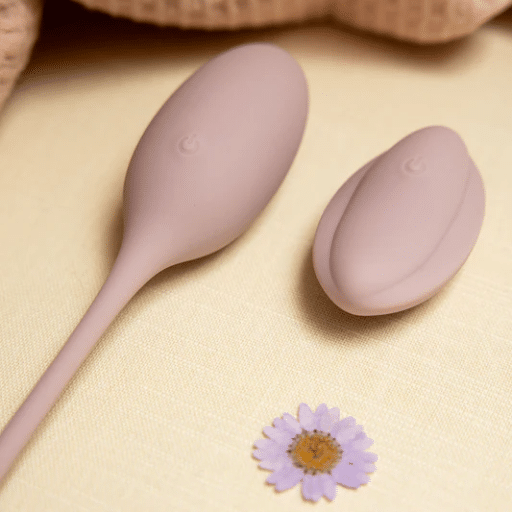
Recycled ocean plastic sex toys are vibrators and intimate products made partly from post-consumer plastic collected near coastlines or waterways, then combined with body-safe silicone coatings and electronic components. They represent one of the adult industry’s most visible sustainability experiments, but the environmental story is more nuanced than the marketing suggests.
The idea sounds almost too good. Take plastic that might otherwise drift into the ocean, turn it into a pleasure product, and call it a win for the planet. Brands like Ohhcean and The Natural Love Company have built entire product lines around this narrative. Search interest in “recycled ocean plastics” rose 567% between April and October 2022. The segment keeps growing as consumers look for guilt-free alternatives to conventional plastic toys.
But not every ocean-plastic claim holds water. Some products use “ocean-bound” plastic collected within 50 kilometers of coastlines, not actual ocean debris. Others pair recycled cores with silicone shells and electronics that are difficult to separate at the end of life.
For manufacturers, the challenge is even sharper. They must source certified material, verify body-safety, and make claims that survive tightening greenwashing rules.
This guide explains what recycled ocean plastic sex toys really are, how they are made, and which brands are leading the market. It also covers whether they deserve their eco-friendly reputation and what manufacturers should know before adding ocean-bound plastic to a product line.
Key Takeaways
- Recycled ocean plastic sex toys typically use an rPET or ocean-bound plastic core covered with body-safe silicone, not bare recycled plastic against the skin.
- Ohhcean by Sinful and The Natural Love Company are the best-known brands, launched in 2022 and 2023 respectively.
Key Takeaways
- #tide ocean material claims 79% less CO₂ and 52% less energy than virgin PET, but the final toy still contains mixed materials that are hard to recycle.
- rPET can only be recycled 2–3 times before quality degrades, and it still sheds microplastics over time.
Key Takeaways
- Certifications like GRS, RCS, OBP, and ISO 10993 help distinguish credible products from greenwashing.
- For most brands, ocean-bound plastic works best as a marketing-forward material for rigid cores, not as a substitute for durable platinum-cure silicone or metal.
What Are Recycled Ocean Plastic Sex Toys?
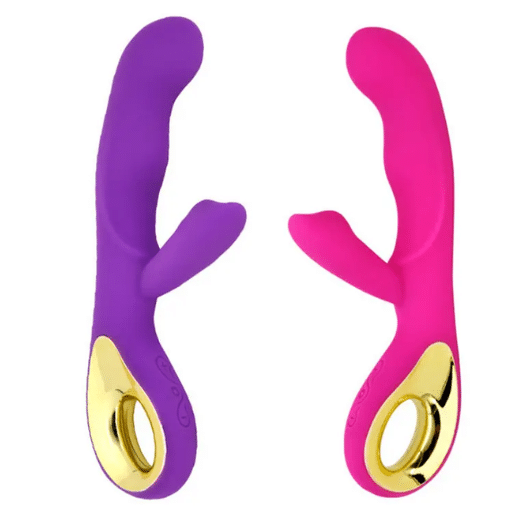
Ocean Plastic vs. Ocean-Bound Plastic
The first thing to understand is terminology. Ocean plastic usually means plastic that has already entered the ocean or washed ashore. Ocean-bound plastic refers to discarded plastic collected from coastal areas, beaches, and communities near waterways that lack formal waste management. This material would likely reach the ocean if left untouched.
Most recycled ocean plastic sex toys marketed today actually use ocean-bound plastic, because it is easier to collect in consistent volumes and cleaner to process. The distinction matters for transparency. A consumer might picture fishing nets pulled from the Pacific; the reality is more often bottle caps and household plastic gathered within 50 kilometers of a coastline.
The base material is typically recycled polyethylene terephthalate, or rPET. This is the same family of plastic used in water bottles and food packaging. Some rPET sex toys may also incorporate recycled polypropylene (PP) or high-density polyethylene (HDPE), depending on what the supplier can source and process.
How They Are Made
The manufacturing chain usually follows five steps:
- Collection. Local fishermen, waste pickers, or community programs gather discarded plastic from coastlines, beaches, and uncontrolled landfills.
- Sorting and cleaning. The plastic is separated by type, washed, and shredded into flakes. A single bottle can contain three different plastics, so separation is critical.
- Pelletizing. Clean flakes are melted and formed into pellets. These pellets feed standard injection-molding equipment. #tide, one of the best-known suppliers, uses a mechanical upcycling process to restore molecular chains damaged by UV rays, salt, and sand.
- Molding. The recycled pellets form the rigid internal core of the toy, such as the handle or body of a vibrator.
- Coating and assembly. A body-safe silicone layer is molded or applied over the plastic core. Motors, batteries, buttons, and charging ports are then installed.
Because recycled plastic is not considered body-safe for direct mucous membrane contact, the silicone coating is not optional. It is the barrier that makes the product suitable for intimate use.
Major Brands and Products in Recycled Ocean Plastic Sex Toys
Ohhcean by Sinful
Ohhcean is widely credited as the world’s first sex toy collection made with upcycled ocean-bound plastic. It was launched in 2022 by Sinful Group, Scandinavia’s largest online sex toy retailer, in partnership with #tide ocean material.
The product line includes three rechargeable vibrators:
- OBP-01 Magic Wand — £64.99
- OBP-02 G-spot Vibrator — £44.99
- OBP-03 Body Vibrator
All three use a hard ocean-bound plastic core covered in silky silicone, with seven vibration patterns, waterproof construction, and USB charging. The aquatic blue color of the products is a deliberate design nod to their ocean origin. These were among the first eco-friendly vibrators to make ocean-bound plastic a central selling point.
The Natural Love Company
Based in Cornwall, UK, The Natural Love Company (TNLC) launched what it calls the UK’s first range of ocean plastic adult toys around Earth Day 2023. The range uses a 100% recycled ocean plastic inner body with a sanitary-grade silicone outer layer.
Notable products include:
- Elemi — bullet vibrator, £32.95
- Saro — rabbit vibrator
- Jasmine — clitoral suction vibrator
- Cassia — dual-ended wand and G-spot dildo
TNLC emphasizes a broader sustainability package: zero-plastic packaging, renewable-energy operations, carbon-neutral shipping, tree planting through Tree Nation, and partnerships with The Ocean Foundation and 1% For The Planet.
Other Players
- Pleasure Vibes (Australia) markets itself as the country’s only online adult store focused on eco-friendly toys made from recycled ocean plastics.
- GoodVibe (New Zealand) stocks TNLC’s ocean plastic range, including the Elemi, Cassia, Jasmine, and Saro models.
These brands show how regional players are adapting the same concept to local markets, often using shared supply chains rather than developing their own recycling infrastructure.
Environmental Benefits of Recycled Ocean Plastic Sex Toys
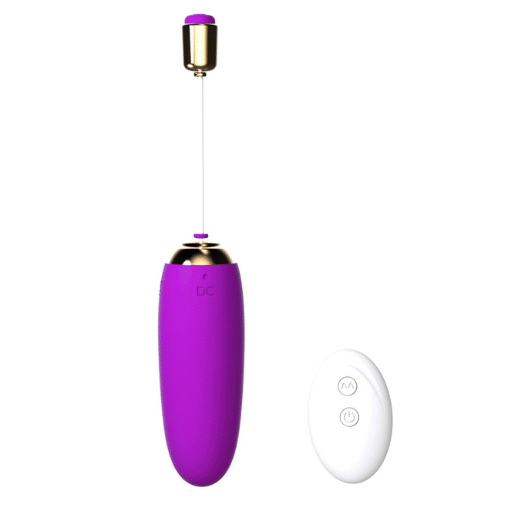
Waste Diversion
The strongest argument for recycled ocean plastic sex toys is waste diversion. Every kilogram of collected plastic is a kilogram that does not enter rivers, coastlines, or the ocean. The UN estimates that ocean plastic pollution could double or triple by 2040 without intervention, so removing material upstream has real value.
Collection programs also create income in coastal communities. #tide works with local fishermen and social enterprises in countries like Thailand, Indonesia, the Philippines, and Mexico. Between 2022 and 2023, the company reported collecting roughly 1.12 million kilograms of ocean-bound plastic.
Lower Carbon Footprint
Recycling PET generally requires less energy than producing virgin PET from petroleum. #tide claims its ocean material uses 52% less energy and produces 79% fewer CO₂ emissions than virgin PET. Even if those figures reflect the material stage rather than the finished toy, they represent a meaningful improvement over conventional ABS or virgin plastic cores.
Reduced Virgin Plastic Demand
Using rPET for the rigid core of a vibrator reduces demand for new petroleum-based plastic. It doesn’t eliminate plastic from the product, but it does shift some volume toward a circular feedstock. When paired with a durable silicone outer layer, the toy can also outlast cheaper alternatives that rely entirely on virgin ABS or PVC.
Mini-story: Anna in Brighton
Anna bought an Ohhcean OBP-02 G-spot vibrator in late 2023. She liked the color, the story, and the idea that part of the toy came from plastic collected before it reached the sea. The toy worked well for about eighteen months before the battery life began to fade.
When it finally stopped holding a charge, she searched for recycling options. Her local council would not accept mixed-material electronic devices. The silicone could not go in standard plastic recycling. She ended up separating what she could by hand and disposing of the rest as small electronic waste.
Anna still considers the purchase better than buying a disposable plastic toy every year. But she admits the end-of-life experience did not match the clean circular story on the packaging.
Environmental Limitations of Recycled Ocean Plastic Sex Toys
rPET Is Still Plastic
The most important limitation of recycled ocean plastic sex toys is that rPET is still plastic. It doesn’t biodegrade. Over time, it breaks down into microplastics that persist in the environment. Unlike glass or stainless steel, it can’t be recycled indefinitely. Most estimates suggest rPET can be recycled only 2–3 times before the polymer chains degrade too far for high-quality reuse.
This means an ocean-bound plastic toy isn’t a permanent solution. It delays the material’s journey to landfill or incineration, but it doesn’t prevent it.
End-of-Life Challenges
A finished vibrator is a mixed-material object. The rPET core, silicone coating, circuit board, battery, and metal contacts are bonded or assembled together. Separating them for recycling requires time, tools, and facilities that most consumers do not have. Most of these toys will eventually go to a landfill or e-waste collection.
Even the rPET core, in theory recyclable, is rarely recovered because it is trapped inside a silicone shell. Silicone itself is durable and can sometimes be recycled through specialized programs, but curbside recycling rarely accepts it.
Greenwashing Risks
The ocean plastic narrative is attractive, and that makes it easy to overstate. Several issues can mislead consumers:
- “Ocean plastic” vs “ocean-bound plastic”. The latter is collected before it enters the ocean. Both have value, but ocean-bound plastic sex toys are almost always made from the upstream material rather than debris already in the water.
- Partial claims. A product might contain only a small percentage of recycled ocean-bound plastic while marketing itself as an ocean-plastic toy.
- Durability questions. If a toy lasts only two years, the environmental benefit of the recycled core may be smaller than the benefit of a longer-lasting silicone or metal alternative.
- Offsetting and add-ons. Tree planting and carbon offsets are positive, but they do not make a plastic toy circular.
Under the EU Empowering Consumers for the Green Transition Directive, generic environmental claims like “ocean-friendly” will face stricter substantiation requirements starting September 27, 2026. Brands should prepare specific, verifiable language now.
For a deeper look at misleading sustainability claims, see our guide to greenwashing in the sex toy industry.
Safety and Material Considerations for Recycled Ocean Plastic Sex Toys
Silicone Coating Requirements
When evaluating recycled ocean plastic sex toys, remember that recycled plastic isn’t considered body-safe on its own. It can contain unknown additives, residual contaminants, or inconsistent mechanical properties depending on its previous life. For this reason, every credible ocean-bound plastic toy uses a body-safe silicone coating as the user-contact surface.
The quality of that coating matters. It must be continuous, durable, and made from platinum-cure or medical-grade silicone. A thin or food-grade silicone layer isn’t the same as a body-safe barrier designed for intimate use. If the coating wears, tears, or separates, the underlying rPET core could become exposed.
Manufacturers should request migration and extraction testing to confirm that no harmful chemicals leach through or from the silicone layer. For more on safe materials, read our body-safe materials guide.
Certifications to Look For
Credible products and suppliers should be able to show documentation for at least some of the following:
- GRS (Global Recycled Standard) — verifies recycled content and chain of custody
- RCS (Recycled Claim Standard) — simpler recycled-content verification
- OBP (Ocean Bound Plastic certification) — confirms material was collected from at-risk coastal areas
- ISO 10993 — evaluates biocompatibility for materials that contact the body
- REACH compliance — restricts hazardous chemicals in the EU
- RoHS compliance — limits hazardous substances in electronic components
A full overview of certifications is available in our eco-friendly sex toy certifications guide.
Recycled Ocean Plastic vs Other Sustainable Sex Toy Materials
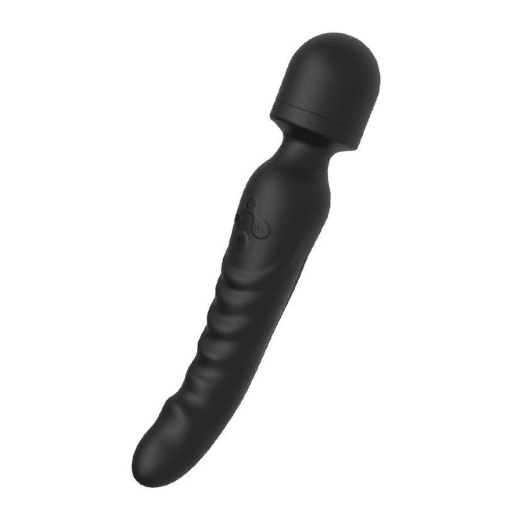
The fairest comparison treats recycled ocean plastic sex toys as one option among several sustainable sex toy materials, each with different strengths and weaknesses.
| Factor | Ocean-Bound Plastic | Platinum-Cure Silicone | Biolene / Starch Bioplastic | Borosilicate Glass | Medical-Grade Stainless Steel |
|---|---|---|---|---|---|
| Primary raw material | Recycled PET from coastal areas | Silica and petroleum-derived polymers | Corn starch or similar crops | Silica and boron oxide | Iron, chromium, nickel, molybdenum |
| Body-safe surface | Requires silicone coating | Yes, if platinum-cure | Requires verification | Yes | Yes |
| Durability | Moderate (5–10 years) | High (5–10+ years) | Moderate, may degrade | Very high (10–20+ years) | Extremely high (20+ years) |
| Recyclability | Core recyclable in theory; mixed materials rarely are | Difficult; specialized programs only | Industrial composting only; rare infrastructure | Fully recyclable, but needs separation | Fully recyclable, widely accepted |
| End-of-life leaching | Microplastics possible | Low risk | Uncertain if landfilled | None | None |
| Carbon footprint (material) | Lower than virgin PET | Moderate | Lower than conventional plastic | High melting energy | High mining/machining energy |
| Best use case | Rigid cores in vibrators | Flexible, textured, or motorized products | Short-life disposable designs | Rigid wands and plugs | Heavy, premium plugs and wands |
When Ocean-Bound Plastic Makes Sense
Ocean-bound plastic works well for brands that want a strong sustainability story around a rigid-cored vibrator. It’s visually distinctive, media-friendly, and aligns with consumer interest in circular materials. It also suits products where the core is a stable, non-contact structural component.
When Other Materials Are Better
For maximum durability and lowest lifetime waste, glass and stainless steel remain the strongest choices. For flexible or motorized products, platinum-cure silicone is still the industry standard. For brands focused on biodegradability, bioplastics may be relevant, but only if industrial composting is available to the end user.
Our guide to sustainable materials for adult toys covers these options in more depth.
What Manufacturers Should Consider
Sourcing Certified Ocean-Bound Plastic for Recycled Ocean Plastic Sex Toys
Brands interested in manufacturing recycled ocean plastic sex toys should work with verified suppliers rather than generic recycled plastic brokers. Look for partners that offer:
- Chain-of-custody documentation
- Material passports or QR-code traceability
- GRS, RCS, or OBP certification
- Clear geographic sourcing data
#tide is the best-known supplier in this space and provides blockchain-tracked material passports through its partnership with Empower. This level of traceability helps substantiate marketing claims and reduces greenwashing risk.
Design for Durability and Disassembly
The biggest environmental weakness of ocean-bound plastic toys is end-of-life. Manufacturers can improve this by:
- Using modular designs that allow battery replacement
- Avoiding adhesives that lock silicone to plastic
- Minimizing the number of different materials
- Designing screws or snap fits instead of permanent welds
A toy that lasts ten years and can be partially disassembled is almost always more sustainable than a toy that lasts two years and goes straight to landfill.
Substantiating Claims
Avoid vague phrases like “ocean-friendly,” “saves the seas,” or “planet-positive.” Instead, use specific, verifiable language:
- “Core made from 70% ocean-bound rPET, certified under GRS”
- “Silicone outer layer tested to ISO 10993 biocompatibility standards”
- “Packaging made from 100% recycled cardboard”
The EU ECGT Directive will ban unsubstantiated generic environmental claims from September 2026. Brands that prepare now will avoid compliance headaches later.
Partnering with the Right Manufacturer
If you are considering ocean-bound plastic for your product line, Joyflick can help evaluate material options, verify supplier certifications, and produce compliant prototypes at low MOQs starting at 300 units. Our team supports material selection, third-party testing, and documentation for global markets.
Mini-story: Elias in Berlin
Elias ran a small sexual wellness brand that had built its reputation on platinum-cure silicone. In 2024, his marketing team pushed for an ocean-bound plastic line to match competitor launches.
He ordered samples from two suppliers. One could not provide GRS documentation. The other offered certified material but at a 40% premium over conventional ABS. After costing the project, Elias realized the recycled core would raise his landed cost per unit while adding end-of-life complexity his customers were not prepared for.
He decided to launch a limited-edition ocean-bound plastic bullet instead of a full range. The product became a conversation piece and a sustainability statement without rewriting his entire supply chain. Sales were modest, but customer feedback praised the transparency, and the line helped him test demand before scaling.
Frequently Asked Questions
What are recycled ocean plastic sex toys?
They are intimate products, usually vibrators, that use recycled ocean-bound plastic for the rigid internal core and cover it with a body-safe silicone outer layer for user contact.
Are ocean plastic sex toys body-safe?
Yes, if they use a high-quality body-safe silicone coating and meet certifications like ISO 10993. The recycled plastic itself should never directly contact skin or mucous membranes.
How are ocean plastic sex toys made?
Plastic is collected from coastal areas, sorted, cleaned, shredded, and turned into pellets. The pellets are injection-molded into a toy core, then coated with silicone and assembled with electronics.
Are they really sustainable?
They are more sustainable than virgin plastic toys in terms of raw-material carbon footprint and waste diversion, but they are not fully circular. End-of-life recycling is difficult, and rPET still becomes microplastic waste over time.
What is the difference between ocean plastic and ocean-bound plastic?
Ocean plastic has already entered the ocean or washed ashore. Ocean-bound plastic is collected from coastal communities and unmanaged landfills before it reaches the sea. Most toys use ocean-bound plastic.
Which brands make ocean plastic sex toys?
The best-known brands are Ohhcean by Sinful and The Natural Love Company. Regional retailers like Pleasure Vibes in Australia and GoodVibe in New Zealand also stock ocean plastic ranges.
Can ocean plastic sex toys be recycled?
Usually not through standard curbside programs. The mixed materials — rPET core, silicone coating, battery, and electronics — require specialized separation. Some manufacturers offer take-back schemes, but most products still end up as e-waste or landfill.
Should manufacturers use ocean-bound plastic?
It can work for brands that want a visible sustainability story and can source certified material. However, it is not the best choice for every product. Durable silicone, glass, or metal often have lower lifetime environmental impact.
Conclusion
Recycled ocean plastic sex toys are one of the most interesting sustainability experiments in the adult industry. They divert plastic from coastlines, reduce demand for virgin PET, and give brands a compelling narrative at a time when consumers increasingly care about materials.
They aren’t a perfect solution. The rPET core is still plastic. The mixed-material construction makes end-of-life recycling difficult. And the gap between “ocean-bound” and “ocean plastic” marketing can confuse buyers. For manufacturers, the real opportunity lies in honest claims, certified sourcing, and designs that last long enough to justify the material choice.
Ocean-bound plastic works best as a thoughtful addition to a broader material strategy, not a replacement for durability. Pair it with body-safe silicone, design for longevity, and substantiate every claim with certification. Done well, it can be a genuine step forward. Done carelessly, it risks becoming another greenwashing headline.
At Joyflick, we help brands evaluate sustainable materials, source certified ocean-bound plastic components, verify body-safe coatings, and manufacture products that meet global compliance standards. Whether you are exploring a single eco-conscious SKU or redesigning your catalog, our OEM/ODM team can guide you from material selection to final delivery. Contact us today to request a quote or explore our custom adult toy manufacturing services.