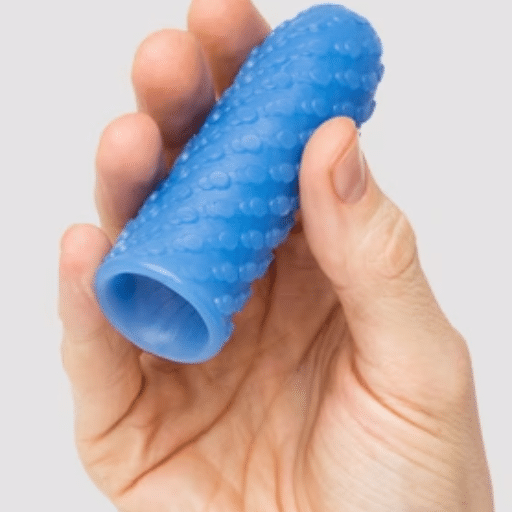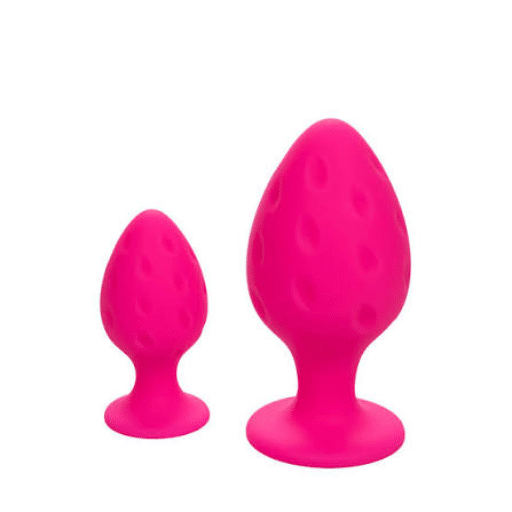
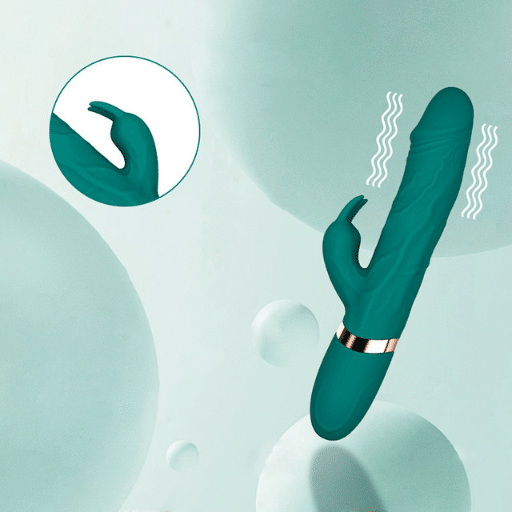
If you are deciding between platinum silicone and bioplastics for your adult toy product line, the short answer is this: platinum-cured silicone remains the superior choice for any insertable or body-contact product in 2026. Bioplastics like PLA and PHA offer compelling eco-credentials on paper, but they currently lack the body-safety certifications, durability, and moisture resistance required for intimate use.
At Joyflick, we have manufactured millions of devices using both material categories. We have seen brands rush to market with bioplastic prototypes only to face returns, degradation complaints, and certification failures. We have also helped brands build award-winning platinum silicone product lines that last over a decade. This guide gives you the technical data to make the right choice for your brand.
You will learn exactly how these materials compare on safety, durability, manufacturing feasibility, cost, and sustainability. You will also understand when bioplastics might have a place in your product strategy, and when platinum silicone is the only responsible option.
Key Takeaways
- Platinum-cured silicone is non-porous, hypoallergenic, and sterilizable up to 200C. It is the only material with FDA, ISO 10993, and USP Class VI certification for intimate use.
- Bioplastics (PLA, PHA) are derived from renewable sources but degrade in moist environments, soften at body temperature, and lack medical-grade certification for sexual devices.
- BioFeel (Blush) and Biolene (Womanizer) are the only commercial bioplastic-adjacent materials in the adult toy market, and both are limited to rigid external housings, not soft insertable components.
- From a manufacturing perspective, platinum silicone supports Shore hardness from 00-10 to 80A, dual-density construction, and standard injection molding. Bioplastics require specialized processing and have narrow temperature windows.
- Lifecycle analysis favors platinum silicone for total waste reduction: a single silicone toy lasting 10+ years generates less material waste than three to five bioplastic replacements.
What Is Platinum-Cured Silicone?
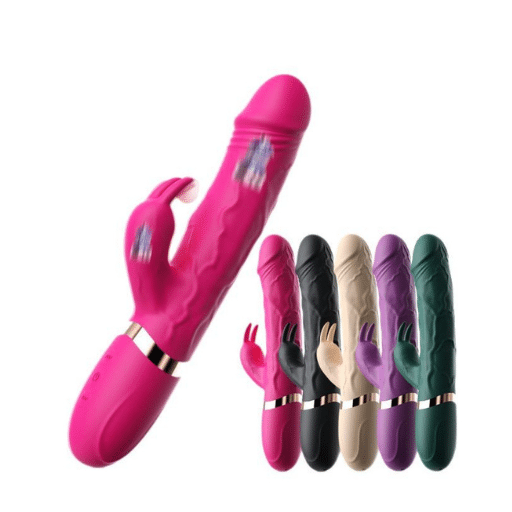
Platinum-cured silicone is a high-purity silicone rubber that uses platinum metal as the catalyst during the curing process. This differs from cheaper tin-cured silicone, which releases toxic byproducts and degrades over time. The platinum catalyst creates an addition-cure reaction that produces no volatile byproducts, resulting in a cleaner, more stable material.
For adult toy applications, platinum silicone offers a unique combination of properties. It is non-porous, which means bacteria cannot penetrate the surface. It is hypoallergenic and free from phthalates, latex, and plasticizers. It remains chemically inert across a temperature range of minus 60 degrees Celsius to 200 degrees Celsius, which means it can be boiled, bleached, or autoclaved for sterilization.
The material is available in a wide range of Shore hardness values. At Joyflick, we regularly work with formulations from Shore 00-10, which feels like soft tissue, up to Shore 80A, which is firm and rigid. Most premium toys use dual-density construction: a firm inner core at 20A to 30A for structural integrity, surrounded by a soft outer layer at 5A to 8A for comfort. This level of engineering precision is simply not possible with current bioplastic formulations.
Certification is where platinum silicone truly separates itself. Reputable manufacturers hold FDA CFR 21 Section 177.2600 compliance for food contact, ISO 10993 biocompatibility certification, and USP Class VI medical-grade validation. These certifications are not marketing labels. They are verified through independent testing that proves the material will not leach harmful substances during prolonged body contact.
What Are Bioplastics in Adult Toys?
Bioplastics are polymers derived from renewable biomass sources such as corn starch, sugarcane, or cellulose, rather than petroleum. The two most common types are PLA, or polylactic acid, and PHA, or polyhydroxyalkanoate. Both are technically injectable and biodegradable under industrial composting conditions.
In the adult toy industry, bioplastics appear in two proprietary forms. BioFeel, developed by Blush, is a plant-based bioplastic containing at least 35 percent sustainable non-petroleum plant matter. It is used in the Gaia Eco line of affordable vibrators and bullets. Biolene, developed by Womanizer, contains approximately 70 percent natural materials derived from corn starch. It forms the housing of the Womanizer Premium Eco, which also features a replaceable battery and disassemblable design.
It is important to understand what these products actually are. Neither BioFeel nor Biolene is used for soft, insertable components. Both are rigid external housings. The internal motors, buttons, and seals in these products are still conventional electronics and materials. This distinction matters because much of the marketing around bioplastic toys implies a fully sustainable product, when in reality only the outer shell has changed.
PLA and PHA have inherent limitations for intimate products. PLA softens at just 55 to 65 degrees Celsius. Body heat and friction can cause deformation during extended use. It is also brittle. It has low impact resistance. It undergoes hydrolytic degradation in moist environments.
PHA is more flexible than PLA. But it degrades above 204 degrees Celsius. It has a narrow processing window. It is highly hygroscopic. It requires moisture levels below 250 parts per million during injection molding.
Critically, neither PLA nor PHA holds FDA approval for sexual device use. PHA has biocompatibility data for certain medical implants, but this does not translate to mucous membrane contact certification. The adult toy industry operates in a regulatory gray zone in many markets, but brands targeting the European Union or North American medical-adjacent channels will find bioplastics a significant compliance liability.
Head-to-Head Comparison
| Factor | Platinum Silicone | Bioplastics (PLA/PHA) |
|---|---|---|
| Body Safety | Non-porous, hypoallergenic, phthalate-free | Variable porosity; no intimate-use certification |
| Sterilization | Boil-safe, autoclave-safe, bleach-safe | Heat-sensitive; cannot be boiled |
| Shore Hardness | 00-10 to 80A (full range) | Rigid only; no soft formulations |
| Durability | 10+ years with proper care | 1-3 years; designed to degrade |
| Temperature Range | -60C to +200C | PLA softens at 55-65C; PHA degrades above 204C |
| Moisture Resistance | Excellent; hydrophobic | Poor; hydrolytic degradation in damp conditions |
| Raw Material Cost | Moderate to high | PLA 1.5−2.5/kg;PHA1.5−2.5/kg;PHA4-6/kg |
| Processing Energy | Standard LSR molding | Lower production energy but higher processing complexity |
| Certifications | FDA, ISO 10993, USP Class VI, RoHS, REACH | Food contact only (FCN2281); no medical/sexual device approval |
| End-of-Life | Recyclable at specialized facilities; durable | Biodegradable in industrial composting only |
| Dual-Density | Fully supported | Not possible |
| Industry Adoption | Dominant standard (90%+ of premium market) | Two proprietary products only |
Body Safety: The Non-Negotiable Factor
When a product is designed for intimate contact, body safety is not a feature. It is a prerequisite. Platinum silicone meets this prerequisite at every level.
The non-porous structure of platinum silicone means that bacteria, mold, and viruses cannot penetrate the surface. This is not true of many bioplastic formulations.
PLA in particular can develop micro-porosity during processing. Its hydrolytic degradation creates surface pitting over time. These microscopic imperfections become harbors for pathogens. For external-use products like rigid vibrator housings, this risk is manageable. For insertable products, it is unacceptable.
Chemical stability is equally important. Platinum silicone is chemically inert. It does not react with water, oils, lubricants, or cleaning agents. Bioplastics, by design, are reactive. Their biodegradability depends on chemical breakdown triggered by heat, moisture, or microbial activity. In the warm, moist environment of the human body, this reactivity becomes a liability rather than a benefit.
Marcus, a product safety consultant we work with in Berlin, tested a bioplastic prototype dildo for a client in 2024. After three months of simulated body-condition aging, the material surface showed measurable chemical changes. The Shore hardness had shifted by 8 points. Spectroscopy detected byproducts not present in the original formulation. The client abandoned the project and switched to platinum silicone. The bioplastic had performed exactly as designed. It had begun to break down.
For brands selling in regulated markets, certification is the gatekeeper. Platinum silicone carries FDA food contact approval, ISO 10993 biocompatibility, and USP Class VI medical-grade validation. These certifications allow brands to make substantiated safety claims and protect against liability. Bioplastics currently offer none of this for intimate use.
Durability and Lifecycle Analysis
The adult toy industry has a sustainability problem that bioplastics do not solve. The problem is premature disposal. A toy that lasts one year and gets replaced five times over a decade generates more material waste than a toy that lasts ten years. This is the durability paradox.
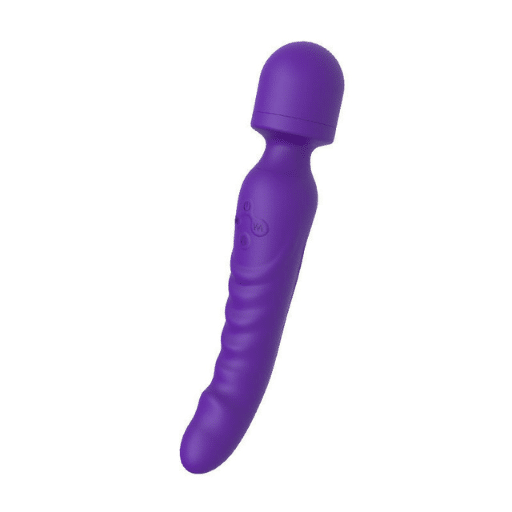
Platinum silicone routinely lasts ten to fifteen years with proper care. It does not yellow, become sticky, or lose elasticity. It can be sanitized repeatedly without degradation. At Joyflick, we have tested samples from production runs dating back to 2015 and found no measurable change in tensile strength or elongation at break.
Bioplastics are designed for the opposite outcome. Their biodegradability is a selling point for packaging and food serviceware, but it is a critical flaw for a product meant to last. PLA begins to lose structural integrity within months in humid conditions. PHA lasts longer but still degrades faster than any conventional plastic. The marketing promise of “compost your vibrator” sounds appealing until you realize it means “your vibrator will compost itself whether you want it to or not.”
Elena, the sustainability director for a mid-size European brand, learned this lesson the hard way. Her company launched a bioplastic bullet vibrator in 2024 with ambitious environmental messaging. Within eight months, customer service reported a 23 percent return rate. The complaints were consistent: discoloration, surface roughness, and a sticky texture. The material was degrading during normal use and storage. The brand recalled the product, switched to platinum silicone for the next generation, and now markets durability as its environmental advantage.
From a lifecycle perspective, the math favors longevity. A single platinum silicone toy weighing 200 grams that lasts twelve years generates 16.7 grams of waste per year. A bioplastic toy of the same weight lasting two years generates 100 grams of waste per year, assuming the user replaces it with identical products. Even if the bioplastic fully biodegrades, the manufacturing energy, shipping, packaging, and retail footprint of six replacement cycles far exceeds that of one durable product.
Manufacturing Feasibility
For manufacturers, material choice determines tooling, cycle times, yield rates, and quality control protocols. Platinum silicone and bioplastics require fundamentally different production approaches.
Platinum silicone for adult toys typically uses liquid silicone rubber, or LSR, injection molding. LSR is supplied as two-part liquid components mixed at a one-to-one ratio. It is injected into heated molds at 120 to 165 degrees Celsius. Cure times range from 30 seconds to 3 minutes depending on part geometry. The material flows well into complex molds. It supports overmolding for dual-density construction. It produces consistent surface finishes.
The main manufacturing challenge with platinum silicone is cure inhibition. The platinum catalyst is poisoned by sulfur, nitrogen, and phosphorus compounds. This means molds must be free of certain release agents, and production environments must avoid cross-contamination with tin-cured silicone or rubber materials. At Joyflick, we manage this through dedicated clean room zones and full material traceability.
Bioplastics present a different set of challenges. PLA has a narrow processing window and requires precise temperature control. It is also brittle, which limits part geometry and wall thickness. PHA is more flexible but highly hygroscopic, meaning it must be dried to below 250 parts per million moisture before processing. Both materials have slower injection speeds and longer cycle times than conventional plastics, which increases per-unit manufacturing costs.
Most critically, neither PLA nor PHA supports the soft, flexible formulations required for insertable toys. Both are inherently rigid. There are no commercial bioplastic formulations at Shore 00 or low Shore A values. This means bioplastics are limited to external housings, handles, and packaging. They cannot replace platinum silicone for dildos, plugs, or any product requiring flexibility and compressibility.
Cost Comparison for Manufacturers
Raw material costs tell only part of the story. Total cost of ownership includes processing energy, cycle time, yield rates, scrap, certification, and warranty claims.
PLA is inexpensive at 1.50 to 2.50 dollars per kilogram. PHA is more expensive at 4 to 6 dollars per kilogram. Platinum silicone raw material costs vary by grade and hardness but generally fall in the mid-range between PLA and PHA for standard formulations.
However, processing costs shift the balance significantly. LSR injection molding for platinum silicone is a mature, optimized process with high yield rates and fast cycle times. Bioplastic processing requires slower injection speeds, longer cooling times, and more frequent equipment adjustments. The result is higher per-unit labor and machine time costs.
Scrap rates also differ. Platinum silicone has predictable shrinkage and minimal post-processing requirements. PLA is prone to warping and sink marks. PHA requires constant moisture monitoring, and batches that absorb ambient humidity must be discarded or re-dried. These factors push the effective cost of bioplastic components closer to or above platinum silicone equivalents.
Then there are the hidden costs. Bioplastic toys have higher return rates, as Elena’s experience demonstrated. Warranty claims, customer service overhead, and brand reputation damage from quality failures add costs that do not appear on the material invoice. Platinum silicone’s reliability eliminates most of these downstream expenses.
For brands focused on entry-level price points, bioplastics offer a genuine cost advantage for rigid external components. A 5-dollar retail vibrator with a bioplastic housing can compete on price more effectively than one with an ABS plastic or silicone housing. But for mid-market and premium products, the total cost equation favors platinum silicone.
Sustainability: The Full Picture
Sustainability in adult toys is not about choosing the material with the greenest marketing. It is about minimizing total environmental impact across the entire product lifecycle.
Bioplastics win on two metrics. First, they are derived from renewable plant sources rather than petroleum. Second, they biodegrade in industrial composting facilities, theoretically returning to the soil instead of persisting in landfill. Some bioplastic production processes also consume less energy than petroleum-based plastic manufacturing.
But bioplastics lose on the metrics that matter most for physical products. Their short lifespan means more frequent manufacturing, more shipping, more packaging, and more retail energy consumption. Their biodegradability requires industrial composting facilities, which most consumers do not have access to. In a standard landfill, bioplastics behave much like conventional plastics: they persist for years without oxygen or microbial activity to break them down.
Platinum silicone is not biodegradable. It is not derived from renewable sources. But it is extremely durable, which means one unit replaces many. It is recyclable through specialized programs, though access is limited. And its inert chemistry means it does not leach harmful substances into soil or water if it does end up in landfill.
The most sustainable choice depends on how you frame the question. If the question is “which material leaves the smallest footprint at the moment of disposal,” bioplastics have an edge. If the question is “which material generates the least total environmental impact over a decade of use,” platinum silicone is the clear winner.
At Joyflick, we take a third approach: design for durability first, then design for end-of-life. Our modular construction methods allow consumers to replace batteries and electronic components without discarding the entire product. Our platinum silicone components last the lifetime of the device. When disposal is eventually necessary, we provide clear material separation guidance. This approach maximizes the environmental benefit of durability. It also minimizes the harm of eventual disposal.
What About BioFeel and Biolene?
BioFeel and Biolene deserve specific attention because they are the only bioplastic-adjacent materials that have achieved any commercial scale in the adult toy industry.
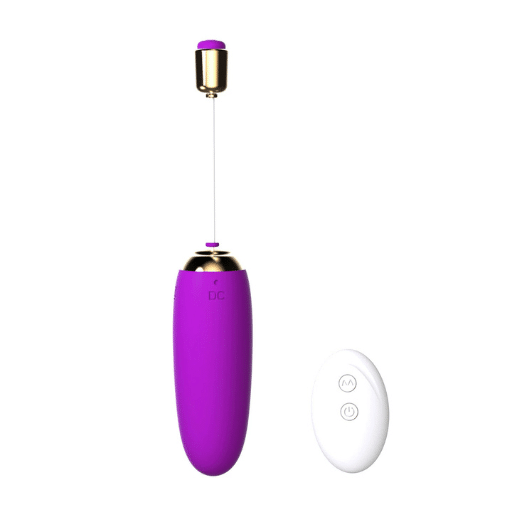
BioFeel, developed by Blush Novelties, is a plant-based bioplastic containing at least 35 percent sustainable non-petroleum plant matter. It is used in the Gaia Eco line, which includes bullet vibrators and traditional vibrators at very affordable price points, typically under 20 dollars. The material is rigid, smooth, and transfers vibration well. It is also compostable at commercial composting centers.
Biolene, developed by Womanizer, contains approximately 70 percent natural materials derived from renewable starch sources. It forms the housing of the Womanizer Premium Eco, a premium suction device retailing at a much higher price point. The product also features a replaceable rechargeable battery and a fully disassemblable design, which extends its usable lifespan.
Both materials represent genuine innovation. Both brands deserve credit for pushing the industry toward more sustainable options. But both products also illustrate the limitations of bioplastics in their current form.
BioFeel is limited to budget-tier products with simple geometries. It cannot achieve the soft, flexible feel of silicone. It is not used for any insertable component. Its compostability requires industrial facilities that most consumers cannot access. And its durability is explicitly limited by design.
Biolene is used in a premium product but still only for the rigid external housing. The internal components, including the motor, electronics, and silicone nozzle, are conventional materials. The disassemblable design is commendable, but it exists precisely because the bioplastic housing will not last as long as the electronic components inside it.
Neither material represents a direct replacement for platinum silicone. They represent complementary options for specific use cases: rigid external housings in entry-level or eco-positioned products. For any application requiring flexibility, softness, or insertable body contact, platinum silicone remains the only viable choice.
Which Material Should Manufacturers Choose?
The decision framework is simpler than the marketing makes it appear.
Choose platinum silicone when:
- The product has any insertable or direct body-contact component
- You need flexibility, softness, or dual-density construction
- You are targeting premium or mid-market price points
- You need FDA, ISO 10993, or USP Class VI certification
- You are selling in regulated markets like the EU or North America
- Durability and low return rates are priorities
- You are manufacturing dildos, plugs, soft vibrators, or any product requiring Shore hardness below 40A
Consider bioplastics when:
- The product is an external-only device with a rigid housing
- You are targeting the extreme budget segment where material cost dominates
- Your brand positioning is explicitly eco-focused and your audience accepts trade-offs
- You have access to industrial composting infrastructure for end-of-life messaging
- You are willing to accept higher return rates and shorter product lifespans
- The component is non-structural and easily replaceable
Avoid bioplastics when:
- The product is insertable or has soft body-contact surfaces
- You need medical-grade or intimate-use certifications
- Your brand promises durability or longevity
- You are manufacturing for regulated medical-adjacent channels
- The product will be stored or used in humid environments
For most Joyflick clients, the answer is platinum silicone for the core product, with bioplastics reserved for packaging or external rigid components where appropriate. This hybrid approach captures the marketing benefit of sustainability messaging without compromising product safety or performance.
Conclusion
Platinum silicone and bioplastics are not direct competitors. They are materials designed for different jobs. Platinum silicone is engineered for safety, durability, and performance under demanding body-contact conditions. Bioplastics are engineered for biodegradability and renewable sourcing, typically in disposable or short-lifecycle applications.
The adult toy industry has tried to force these materials into competition because sustainability is a powerful marketing message. But the physics and chemistry do not support this framing. A bioplastic that degrades in moist conditions is not a safer or more sustainable choice for an insertable toy. It is a liability.
For manufacturers, the responsible choice is clear. Use platinum silicone for any component that touches the body. Use bioplastics for external housings, packaging, or non-structural elements where their limitations are acceptable. Market your sustainability through durability, modular design, and clear end-of-life guidance, not through material substitutions that compromise safety.
At Joyflick, we help brands navigate these decisions with real data from real production runs. Whether you are developing your first platinum silicone product line or exploring hybrid material strategies, our ISO-certified manufacturing and materials science team can guide you from concept to certification.
Ready to choose the right material for your next product? Contact Joyflick today to discuss your material requirements with our engineering team.
Frequently Asked Questions
Is platinum silicone biodegradable?
No. Platinum silicone is not biodegradable. It is a synthetic polymer derived from silica that persists in landfill. However, its extreme durability means one toy can last 10 to 15 years, generating less total waste than multiple replacements made from biodegradable materials.
Can bioplastics be used for insertable sex toys?
Currently, no commercially available bioplastic is suitable for insertable sex toys. PLA and PHA are inherently rigid and lack the flexibility, moisture resistance, and body-safety certifications required for intimate contact. The only bioplastic-adjacent materials in the market, BioFeel and Biolene, are used for rigid external housings only.
What is the difference between BioFeel and Biolene?
BioFeel is Blush Novelties’ plant-based bioplastic containing at least 35 percent non-petroleum plant matter, used in budget-tier vibrators. Biolene is Womanizer’s proprietary material containing approximately 70 percent renewable starch sources, used in the Premium Eco suction device. Both are rigid housings, not soft insertable materials.
Is platinum silicone safe for people with allergies?
Yes. Platinum-cured silicone is hypoallergenic and free from latex, phthalates, and plasticizers. It is the material of choice for people with sensitive skin or latex allergies. Always verify that the product is genuinely platinum-cured, as tin-cured silicone does not offer the same safety profile.
How do I verify that a toy is made from real platinum silicone?
Perform the pinch test and the flame test. Genuine platinum silicone has no chemical odor, does not feel tacky or greasy, and returns to its original shape immediately after pinching. When exposed to flame, it burns to a white ash and does not melt into a black liquid. Tin-cured silicone and TPE will smell chemical, feel sticky, and melt under flame.
Are bioplastics cheaper to manufacture than platinum silicone?
PLA raw material is cheaper than platinum silicone, but total manufacturing costs are often comparable or higher due to slower processing, higher scrap rates, and shorter product lifecycles. For rigid external components in budget products, bioplastics offer genuine cost savings. For premium or body-contact products, platinum silicone is more cost-effective when total cost of ownership is considered.
Can bioplastics be recycled?
Some bioplastics are recyclable, but not through standard municipal programs. They typically require specialized industrial composting facilities. PLA is the most widely recyclable bioplastic, but recycling infrastructure remains limited. PHA has fewer recycling options. Neither material should go in standard curbside recycling bins.
What Shore hardness should I choose for my platinum silicone product?
For soft, realistic insertable toys, Shore 00-10 to 5A provides a gentle, yielding feel. For general-purpose dildos and vibrators, 8A to 20A offers balanced flexibility. For firm pressure toys or structural components, 30A to 40A is appropriate. Many premium products use dual-density construction with a firm core at 20A to 30A and a soft outer layer at 5A to 8A.