Quality control in adult toy manufacturing follows a multi-stage system from incoming material inspection through pre-shipment sampling. Leading factories use AQL 2.5 sampling standards, ISO 3533:2021 safety compliance, and 100,000-level cleanrooms to ensure every batch meets specifications.
Marcus thought he had done everything right. He visited the factory in Shenzhen. He approved the samples. He even negotiated a 30/70 payment split.
But when his first 1,000-unit order arrived, 23% of the vibrators failed basic waterproof testing. The factory had skipped in-process inspection to hit the deadline.
Marcus spent 18,000onrefunds,18,000onrefunds,3,000 on disposal, and another $15,000 on replacement production. His Amazon rating dropped from 4.6 to 3.2 stars. He never recovered the trust.
You are reading this because you do not want to be Marcus. You want to know exactly what quality control standards apply to adult toy manufacturing. You want to understand AQL sampling, recognize common defects before they ship, and know how to audit a factory without flying to China.
This guide covers the six-stage QC process, ISO 3533:2021 requirements, AQL tables for adult toys, and a buyer-side factory audit checklist. By the end, you will know how to protect your capital and your brand reputation.
Key Takeaways
- Quality control in adult toy manufacturing has 6 stages: incoming material, in-process, first article, finished product, final random, and pre-shipment inspection.
- AQL 2.5 is the standard acceptance threshold; critical defects (safety issues) have zero tolerance.
- ISO 3533:2021 is the first international safety standard specifically for adult toys, covering design, materials, and labeling.
- Common defects include flash, air bubbles, cure inhibition, and waterproof seal failures.
- Third-party inspection by SGS or Intertek costs 300−300−2,000 and provides independent verification.
- The cost of poor QC escalates from hundreds per unit in prototyping to thousands in recalls and reputation damage.
What Is Quality Control in Adult Toy Manufacturing?

Quality control in adult toy manufacturing is the systematic inspection and testing of products at every production stage. It covers raw materials, in-process monitoring, finished goods testing, and pre-shipment verification. The goal is simple: catch defects before they reach your customers.
This is different from quality assurance. QA is the system that prevents defects. QC is the inspection that finds them. You need both.
A factory with strong QA but weak QC will produce consistent products that still slip through with hidden flaws. A factory with strong QC but weak QA will catch defects after they have already wasted time and materials.
The stakes are higher in adult toys than in most consumer products. A defective kitchen gadget might annoy a customer. A defective adult toy can cause injury, trigger a lawsuit, or destroy a brand’s reputation permanently.
The global adult toy industry is projected to reach $71.12 billion by 2035. That scale attracts manufacturers who cut corners. Your QC process is what separates professional brands from opportunists.
The 6-Stage Quality Control Process
Stage 1: Incoming Material Inspection (IMI)
Before any production begins, the factory inspects incoming raw materials. For silicone toys, this means verifying the platinum-cure silicone batch certificates. For electronics, it means testing PCB boards and battery cells for voltage stability. Packaging materials get checked for color accuracy and durability.
A factory that skips IMI is gambling with every unit it produces. If the raw silicone has inconsistent viscosity, every molded piece will have dimensional variation. If the battery cells are counterfeits, every vibrator will have charging issues. IMI takes time, but it prevents cascading failures.
For a deeper look at material selection, see our guide to body-safe materials in adult toys.
Stage 2: In-Process Quality Control (IPQC)
IPQC happens during production, not after. Workers inspect samples from the line at regular intervals. For silicone molding, they check for air bubbles, flash, and incomplete fills. For electronics assembly, they test motor function, button response, and charging port alignment.
IPQC catches problems while they are still fixable. It is the most cost-effective stage of quality control. A flaw caught during molding costs pennies to correct. The same flaw caught after packaging costs dollars in rework.
Random sampling rate: 10-15% during production runs. If defect rates exceed 2% at any checkpoint, the batch gets quarantined.
Stage 3: First Article Inspection
Before the full production run begins, the factory produces a small pilot batch. This first article gets inspected against the approved golden sample. Dimensions, hardness, color, and functionality all get verified.
If the first article fails, production does not start. This stage prevents the nightmare of discovering a mold flaw after 5,000 units have already been produced. For a complete guide to prototyping and sampling, read our article on adult toy prototyping.
Stage 4: Finished Product Testing
Every finished unit undergoes basic testing. For electronic toys, this includes vibration consistency, waterproof seal verification, and battery charge/discharge cycles. For non-electronic toys, this includes visual inspection, hardness verification, and dimensional checks.
Top factories conduct 100% visual inspection on finished goods. Mid-tier factories inspect 50-80%. Budget factories might inspect 10% or less. The difference shows up in your defect rate.
Stage 5: Final Random Inspection (FRI)
FRI pulls random samples from the finished batch using AQL sampling standards. An inspector checks packaging integrity, labeling accuracy, and product function. FRI happens before the goods are packed for shipment.
It is your last chance to catch systemic issues before the container leaves the factory. If 5% of your sampled units have the same defect, the entire batch probably has it.
Stage 6: Pre-Shipment Inspection (PSI)
PSI verifies quantity, packaging, shipping marks, and documentation. The inspector confirms that what is in the cartons matches what is on the purchase order. PSI also checks for proper certification documentation and customs labeling.
A failed PSI means the shipment does not leave until issues are resolved. This is your final gate before goods become your inventory.
| Stage | When It Happens | What It Catches | Relative Cost to Fix |
|---|---|---|---|
| Incoming Material | Before production | Bad raw materials | Low |
| In-Process | During production | Molding/assembly errors | Low |
| First Article | Before full run | Setup mistakes | Low |
| Finished Product | After assembly | Function/safety issues | Medium |
| Final Random | Before packing | Systemic batch defects | High |
| Pre-Shipment | Before shipping | Quantity/doc errors | Very High |
Common Defects in Adult Toy Manufacturing
Silicone Defects
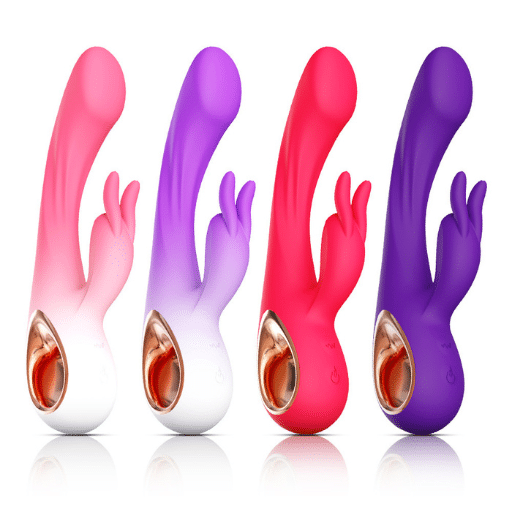
Flash is excess silicone that squeezes out at mold parting lines. It creates rough edges that can irritate skin. Air bubbles form when air gets trapped during pouring or injection. They create weak points and pores where bacteria can grow.
Cure inhibition happens when silicone fails to harden properly, usually due to contamination from sulfur or latex gloves. The result is a sticky, tacky surface that should not touch skin. Color streaks signal poor pigment mixing. Surface imperfections trace back to dirty molds or excess release agents.
Electronic Defects
Motor noise above the specified decibel level indicates bearing wear or imbalance. Charging port failures usually trace back to poor soldering or connector misalignment. Waterproof seal gaps are catastrophic for electronic toys. Even a microscopic gap can let water reach the circuit board.
Button sticking or missed presses signal poor switch quality or assembly errors. Battery overheating during charging is a critical safety defect that requires immediate batch rejection.
Structural Defects
Seam integrity matters for every molded product. Raised or sharp seams can cause abrasion. Dimensional variation affects fit and function. A plug that is 2mm larger than spec can cause injury.
Delamination in dual-density toys happens when layers separate during use, exposing the core material. This is both a safety issue and a warranty claim waiting to happen.
Packaging Defects
Missing warning labels violate regulations in most markets. Incorrect CE or FCC markings can trigger customs seizures. Damaged inner packaging compromises hygiene claims. These seem minor until a customs agent holds your shipment for two weeks over a labeling error.
AQL Sampling for Adult Toys: How It Works
AQL stands for Acceptable Quality Limit. It is the maximum percentage of defective units that a batch can contain and still be accepted. For adult toys, AQL 2.5 is the industry standard for general defects. That means up to 2.5% of the batch can have minor issues like cosmetic blemishes or packaging errors.
Critical defects have zero tolerance. A critical defect is anything that could harm the user or violate safety regulations. Examples include exposed wiring, toxic material contamination, or missing safety warnings. If a single critical defect is found during inspection, the entire batch fails.
Major defects use AQL 1.5 or 2.5 depending on the buyer’s risk tolerance. A major defect affects function or appearance but does not create a safety risk. Examples include uneven vibration, off-color products, or incorrect logos.
| Order Size | Sample Size (AQL 2.5) | Accept / Reject |
|---|---|---|
| 200-500 units | 50 units | 3 max / 4+ reject |
| 501-1,200 units | 80 units | 5 max / 6+ reject |
| 1,201-3,200 units | 125 units | 7 max / 8+ reject |
| 3,201-10,000 units | 200 units | 10 max / 11+ reject |
Elena learned about AQL the hard way. She ordered 800 vibrators from a new manufacturer and accepted the factory’s “self-inspection” report. The report showed zero defects.
When the shipment arrived, 8% of the units had charging port alignment issues. She had no recourse. The factory claimed the defects happened during shipping.
Elena now hires third-party inspectors for every order over 500 units. The $600 inspection fee has saved her from two potentially defective batches in the past year.
ISO 3533:2021: The Adult Toy Safety Standard Explained
Published in September 2021, ISO 3533:2021 is the first international standard specifically for adult toys. Before this standard, manufacturers followed general consumer product guidelines or medical device standards that did not fit the unique risks of intimate products.
The standard covers four areas:
Design Requirements
Products must have smooth surfaces with no burrs or sharp edges. Enclosure-type products like chastity cages must be removable with common tools in emergencies. Heating functions must not exceed 47.7°C (118°F) to prevent burns. Moving parts require safety locks.
Material Requirements
All body-contact materials must pass biocompatibility testing under ISO 10993. Chemical testing covers phthalates, heavy metals, and restricted substances under RoHS and REACH. The standard explicitly requires manufacturers to document material composition.
For more on certification requirements, see our complete guide to adult toy certifications explained.
Performance Testing
Electrical safety follows IEC 60601 for stimulation products. Waterproof claims require IPX7 validation. Vibration consistency gets tested across all speed settings. Battery safety includes overcharge and short-circuit protection.
Labeling and Information
Products must include cleaning instructions, material composition, and any required warnings. For EU sales, this means CE marks and manufacturer details. For California sales, Prop 65 warnings are mandatory.
Want to see how this standard fits into the broader manufacturing process? Our guide to OEM vs ODM manufacturing explains how certification responsibility shifts between models.
Third-Party Inspection: When and How to Use It
Third-party inspection agencies like SGS, Intertek, and Bureau Veritas provide independent verification of factory claims. They are not affiliated with the manufacturer, so their reports carry weight in disputes.
Pre-shipment inspection is the most common service. An inspector visits the factory, pulls samples according to AQL standards, and tests products against your specifications. The service costs 300−300−800 for a single-day inspection in China.
Factory audits go deeper. They evaluate the factory’s quality management system, cleanroom standards, equipment maintenance, and worker training. A full factory audit costs 1,500−1,500−2,500 but is worth it before committing to a long-term partnership.
Product testing sends samples to accredited laboratories for chemical and physical analysis. This confirms that materials meet safety standards. Testing costs 500−500−2,000 per product depending on the number of tests required.
When hiring an inspector, provide a detailed Inspection Test Plan (ITP). The ITP should list every test, the acceptance criteria, and the sampling method. Without an ITP, the inspector will use generic standards that may not cover your specific product requirements.
Ready to see how independent verification fits your budget? Our guide to adult toy manufacturing costs breaks down inspection, testing, and certification expenses by product type.
Factory Audit Checklist for Buyers
Use this checklist when visiting or evaluating an adult toy manufacturer.
Production Environment
- Cleanroom classification: 100,000-level or better
- Air filtration and ventilation in molding areas
- Hand-washing and sanitization stations
- Separate storage for raw materials, work-in-progress, and finished goods
Quality Management
- ISO 9001 certification (verify with issuing body)
- QC team structure: in-house or outsourced
- Documented inspection procedures for each stage
- Traceability system with batch codes
- Defect tracking and corrective action logs
Equipment and Capability
- Number of production lines
- Automation level for consistency
- Mold maintenance schedule
- Calibration records for testing equipment
Documentation
- Material certificates of analysis (COA)
- Product test reports from accredited labs
- Customer references in your target market
- Export track record to your region
Red Flags
- No ISO 9001 or equivalent certification
- Refusal to provide factory tour or video call
- No third-party lab test reports
- Cannot share customer references
- QC team is outsourced with no oversight
- No documented inspection procedures
For a complete framework on vetting suppliers, read our guide on how to find a reliable adult toy manufacturer.
The Cost of Poor Quality Control
Poor QC does not just cost money. It costs trust. And trust is the hardest thing to rebuild.
Priya launched her brand with a $12,000 order of silicone vibrators. The factory sent beautiful samples. The production batch looked identical.
But the factory had switched from platinum-cure to tin-cure silicone to save $0.40 per unit. Tin-cure silicone degrades faster and can harbor bacteria in microscopic pores.
Within three months, customers reported surface tackiness and odor. Priya had to recall the entire batch. The direct costs were devastating: 12,000inrefunds,12,000inrefunds,3,000 in disposal, 8,000inreplacementproduction,and8,000inreplacementproduction,and4,000 in legal fees.
The indirect costs were worse. Her Amazon seller account got suspended for 30 days. Her email list was unsubscribed at 15%. Her wholesale partner terminated their contract.
The defect cost escalation curve is brutal. A flaw caught in prototyping costs 50−50−200 to fix. The same flaw caught in production costs 500−500−2,000 per unit in rework.
If it reaches the customer, the cost includes refunds, shipping, disposal, legal exposure, and reputation damage. For a brand selling 1,000 units, one defective batch can erase a year of profit.
Chargeback rates above 1% can trigger penalties from high-risk payment processors. Regulators can impose fines of 10,000−10,000−100,000 for safety violations. And recalls in the adult toy industry generate media coverage that no brand wants.
How Joyflick Ensures Quality at Every Stage
Joyflick applies the same six-stage quality control system to every order, including our 300-unit MOQ trial orders. Most manufacturers reserve rigorous QC for bulk clients. We believe emerging brands deserve the same protection as established ones.
Our production facility maintains ISO 9001 and ISO 13485 certifications. We use 100,000-level cleanrooms for all silicone molding and assembly. Our in-house QC team conducts incoming material inspection, in-process monitoring, first article validation, finished product testing, and pre-shipment verification on every batch.
We partner with SGS-accredited laboratories for independent material testing and certification support. Our defect rate stays below 0.2%. That is well under the industry average of 0.5-2%.
And we document everything. Every batch has traceability codes, test reports, and inspection records that you can share with regulators, retailers, or customers.
For brands exploring custom adult toy manufacturing, our team guides you through the full quality control process from material selection through final inspection. Contact our team for a consultation and factory tour.
Conclusion
Quality control in adult toy manufacturing is not a factory problem. It is a brand problem. Your name is on the product.
Your reputation is on the line. And your customers trust you to keep them safe.
The six-stage process works when you enforce it. Incoming material inspection prevents bad inputs. In-process control catches errors early. First article inspection validates setup.
Finished product testing confirms function. Final random inspection samples for systemic issues. Pre-shipment inspection verifies what ships.
AQL sampling gives you statistical confidence. ISO 3533:2021 gives you safety standards. Third-party inspection gives you independent verification. Together, they create a quality system that protects your customers and your business.
If you are ready to manufacture with a partner that treats quality control as seriously as you do, Joyflick offers ISO-certified production, third-party lab partnerships, and rigorous inspection on every order starting at 300 units. Request a manufacturing consultation and see the difference for yourself.
FAQ
How much does third-party inspection cost for adult toys?
Pre-shipment inspection costs 300−300−800 for a single day in China. Factory audits cost 1,500−1,500−2,500. Product testing at accredited labs costs 500−500−2,000 depending on the test scope.
What is AQL 2.5 in adult toy manufacturing?
AQL 2.5 means that a batch is acceptable if no more than 2.5% of sampled units have minor defects. Critical defects (safety issues) have zero tolerance. Major defects typically use AQL 1.5.
What is ISO 3533:2021?
ISO 3533:2021 is the first international safety standard specifically for adult toys. It covers design requirements, material safety, performance testing, and labeling. Published in September 2021, it is increasingly expected by retailers and regulators.
What defects should I check for in silicone sex toys?
Check for flash (rough edges), air bubbles, cure inhibition (sticky spots), color streaks, and surface imperfections. Run your fingers over the entire surface. It should be uniformly smooth with no tacky areas.
How do I audit an adult toy manufacturer?
Verify ISO 9001 certification, request a factory tour or video walkthrough, check cleanroom standards, review QC documentation, and confirm third-party lab partnerships. Use the checklist in this article as your framework.
What certifications should an adult toy factory have?
At minimum: ISO 9001, CE marking (for EU), RoHS compliance, and REACH documentation. For electronic toys, add FCC Part 15. For premium positioning, ISO 3533:2021 and ISO 13485 add credibility.
What is the difference between QC and QA in manufacturing?
Quality assurance (QA) is the system that prevents defects through process design and training. Quality control (QC) is the inspection that finds defects through testing and sampling. You need both for reliable production.
How often should I inspect during production?
For adult toys, inspect at every stage: incoming materials, in-process sampling (10-15% of units), first article, finished product, and pre-shipment. First-time partnerships with a factory warrant third-party inspection at least for the first three orders.