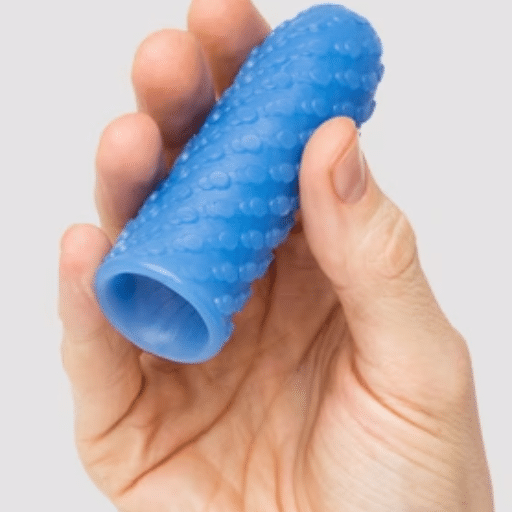

When it comes to exploring personal pleasure and sexual wellness, creativity and resourcefulness can open up new possibilities. For many, the idea of creating a homemade male masturbator may seem unconventional, but it’s a practical and budget-friendly solution for those seeking a personalized experience without spending a fortune on commercial products. This guide will walk you through the process of crafting your custom device using common household materials. By the end of this article, you’ll have all the knowledge you need to safely and effectively create a homemade Fleshlight suited to your needs.
Introduction to Homemade Fleshlights
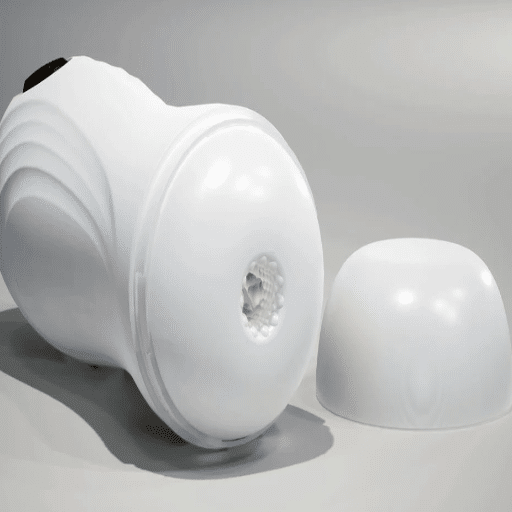
What is a Fleshlight?
The Fleshlight is a well-known brand of male sex toys to simulate sexual intercourse or masturbation sensations. The case is shaped like a screwdriver flashlight and keeps a soft, textured, and flexible inner sleeve, usually from silicone or a silicone-like substance. Men could handle the device discreetly and enjoy one of the most realistic and customized experiences ever.
Originally, the Fleshlight was created to enhance sexual pleasure, sometimes acting as an instrument for self-exploration or relieving stress. To suit the preferences of such a vast audience, it comes in a wide range of sleeve textures, materials, and openings that mimic real-life sensations or that appeal to specific preferences. Certain models also offer some pretty nifty features, like suction that you can adjust, warming abilities, and the option to connect to your phone or some type of electronic device to amp the experience up beyond imaginable heights.
Fleshlights are commonly associated with sexual endurance and confidence improvement; regular practice with those items helps work on timing and control that may eventually translate into the betterment of partnered sexual acts. Given their adaptability and functionality, Fleshlights have earned themselves a strong position as one of the most popular options when it comes to sexual wellness products.
Benefits of Making a Homemade Fleshlight
In the realm of homemade Fleshlight-making, the major selling point is cost-effectiveness, as commercialized sexual wellness products tend not to be cheap. Many entertain this choice simply because it is cheaper and allows for common items to be used to mimic the basic functionality of a Fleshlight. This, in turn, provides a cheap pathway for anyone wishing to delve into sexual wellness tools.
Another advantage that comes with making a Fleshlight at home is the possibility of personalized touches. For example, the user could make it of a size, texture, and material best suited for their powder of comfort, thus giving users an increased level of freedom to experiment, see what feels best for them, and do so on the cheap and at low risk.
In contrast, the making process itself can create a sense of privacy that is cherished by many. For people uncomfortable with buying sexual wellness products in shops or online, going the “DIY sexual wellness” avenue presents a very effective solution to their worries about discretion, shipping, or packaging. They could then go about addressing their needs in a discreet and confidential manner. Hygiene and safety in the process of making must remain priority considerations; however, many find this to be an empowering yet practical answer.
Common Concerns and Considerations
In exploring DIY sexual wellness, safety and effectiveness will depend on several concerns and significant considerations, which must all be realized to ensure a truly positive experience. The major concern is the quality and appropriateness of the materials used in the DIY processes. Alone, body-safe materials must be selected and considered non-toxic, hypoallergenic, and free from any chemical or irritant. Silicone, for instance, is typically favored due to its safety and versatility, while porous ones should be neglected because they provide scope for bacterial growth.
Yet another factor that comes into play is the real keeping of cleanliness during all the steps of preparation and manufacture, which includes sterilizing of all tools used in the process, having given rise to an environment where contamination is minimal to the extent possible, and proper storage of the end product under sterile conditions. Furthermore, all builders need to keep in mind that personal situations will vary combination of physical responses and sensitivities, and their goals. Probably into an albeit with health or medical conditions; in such a decision, professional medical advice should be sought.
And, very importantly, with all of this, DIYers should always keep a close eye on any toxification symptoms or discomfort induced by these homemade concoctions. Lack of regulation regarding experimentation on oneself can bring quite a few risks along with it; hence, one needs to be fully aware of the potential hazards when utilizing homemade ones. Together with informed research and emphasized safety, the DIY sex industry could be a wonderful way of empowering oneself and gaining some discreet methods in this regard.
Materials Needed for DIY Fleshlights

Basic Materials for a Towel Masturbator
Very few items are the bare minimum to make this device, almost always accessible, and scissor-hand. The essentials include:
- The Towel: A sumptuous towel conjures the whole setup of the apparatus. A soft towel is really recommended for smooth use, so it stays gentle on the skin and does not cause any irritation.
- The Rubber Band or Hair Tie: In order to maintain the formed or rolled shape of the towel, the rubber band or hair tie is the superior choice to hold it tightly. This auxiliary element ensures that the towel stays firmly in place as intended during usage.
- The Inner Lining: a Plastic Bag or Latex Glove with an everlasting inner lining. This lining never gives the towel surface a non-smooth, non-porous feel for both comfort and hygienic protection. Latex gloves will give a small amount of sensation due to their elasticity.
- Lubricant: A strong application of lubricant is recommended to lessen friction and provide a fine experience during the process. Usage compatibility with relevant materials is indeed vital to prevent its downfall and degradation.
These bare essentials give way to a simple, cheap design of a towel masturbator, although one must remember to take safety and hygiene issues to heart by keeping these items clean and washed after every use since all materials must be free of any toxins or allergens that may irritate the user.
Alternative Materials: Socks and Sponges
Socks and sponges may be other materials by which softness and flexibility work, as the object needs some level of customization or comfort when in use. These sock-type materials tend to be soft yet sturdy if they are made with natural fibers or blended fabrics. They can simulate a pretty smooth feel or simple cushioning. Sponges, on the other hand, get their name for a reason: they absorb water and can nearly compress into nothing, to be moldable into a flexible structure requiring some degree of support.
Wrapping a sponge with a sock can allow a dual-layered embodiment of such a device. With this method, the sponge gives a layer of cushioning, while the sock brings elasticity, ensuring adaptability and secure enclosure. Silicone-based lubricants are additionally advised for minimum friction and lifespan preservation of the materials, especially on sponge surfaces with high porosity.
In terms of aftercare, users have to clean these materials thoroughly after every use for bacterial growth prevention, considering sponges tend to retain moisture, and socks can trap debris. Cleaning with non-abrasive soaps and warm water is considered appropriate. To further prevent any skin irritation or allergic reactions, users need to pick hypoallergenic materials and undergo sensitivity tests prior to use.
Creative Uses of Household Items: Balloons and Toilet Paper Rolls
Balloons and toilet paper rolls tend to be considered just disposable and consequently often go to waste when they can be turned into lots of beautiful and functional crafts. Together, they offer a complete panoply of working tools for craft projects, educational purposes, and some basic mechanics. For example, balloons may be attached to toilet paper rolls in the making of air-propelled vehicles, which help in teaching students about the physical concepts of propulsion and aerodynamics in fun, hands-on ways.
Besides that, these can be used to create decorations as well. Wrapping a toilet paper roll with colorful paper and topping it with an inflated balloon can serve as an attractive centerpiece or decoration for parties. In a more practical kind of way, one could use them as seedling planters by cutting the toilet paper rolls into small sections that break down naturally when planted, whereas balloons can be used as a waterproof covering for anything that needs it.
These very simple sorts of combinations show how everyday objects can be stretched a bit further through ingenuity and experimentation toward sustainability and reduction of overall waste. With a little curiosity, limitless options await the users of these everyday items, all made as an environmentally responsible choice.
Step-by-Step Guides to Make a Homemade Fleshlight

How to Make a Pocket Pussy with a Towel
The procedure for making a towel pocket pussy is quite easy and requires very few items. You will need a clean towel to work with and a disposable glove or a condom, secured tightly by some rubber bands. It results in a hygienic, easy, and safe solution.
- Gather Materials: Get a nice, clean, soft towel, preferably made of cotton or microfiber for added comfort. You would also need a latex or nitrile glove (or condom) and some good-quality rubber bands to put it together firmly.
- Prepare the Towel: Now, fold the towel along its length either in thirds or in quarters, depending on the actual width of the towel; this will determine the external structure and thickness that will contain the padding and support.
- Insert the Glove or Condom: Now, gently insert the disposable glove or condom in the middle of the fold of the towel. The glove acts as the internal layer to ensure smoothness and slipperiness for the period of use. Ensure that the opening of the glove is kept free and aligned with the edge of the towel.
- Roll and Secure: Rolling up the towel tightly along its width with the glove tucked inside all the folded bodies. Keep steady pressure during rolling so as to keep the shape and dimension of the roll the same. When rolled tightly, place the rubber bands around the two ends of the towel and about the middle so it will stay in place while being handled.
- Lubrication: Lubricate the inner surface of the glove with a water-based lubricant before use. It will provide ease and comfort and will lessen the wear to the glove itself.
- Hygiene and Maintenance: Make sure that the towel covering can be cleaned thoroughly by anyone who uses this. It should be discarded after use and replaced with new gloves for the next assembly. This is the proper way to maintain hygiene and safety, thus preventing any possible irritation or contamination.
This kind of DIY method stands as a practical solution that is very straightforward, cost-effective, and molds to one’s preferences, using regular household items and honest attention to assembly and sanitation.
Using a Toilet Paper Roll: A Simple Method
The roll of toilet paper is a master of versatility when its mannerisms are converted with caution and precision. It has a cylindrical structure and therefore has uses for various activities like homemade organizers, noise dampeners, or even for storage applications. So all it takes is to slightly press down a roll, allow small cables or wires to pass through it, and it will prevent tangling down to neat confinement.
For those who wish to crunch it into more unusual applications, the reinforcement of the roll by taping or gluing it could help it support some lightweight items, or it may serve as a base for other constructions in any DIY project. Ordinary household tools, such as scissors, or during measurements and cutting, would yield cleaner cuts, thereby providing better utility and less wastage.
Repurposing such items presents a DIY solution to greatly curb waste accumulation, thereby moving toward a sustainable way of living. With some very simple safety precautions, edges should either be smooth or the roll can truly find its maximum usefulness without the risk of causing cuts or abrasions. This is how, surely, a conscious blend of technical pragmatism and sustainability provides the blueprint for cost-effective basic needs mechanisms.
Crafting a Sponge Masturbator
- Materials-A-Need
Materials needed for making a sponge masturbator are readily available and cost-efficient:
- Soft Sponge: A normal type of sponge that is usually used for cleaning windows or bodies-this one has to be gentle to the skin. Avoid abrasive sponges or, on the other end, sponges that are too hard.
- Cardboard Tube: A smooth cardboard tube, the inside core of a paper towel roll, may serve well. Make sure the edges are well reinforced, as stated above.
- Lubricant: Any lubricant safe to use on skin will do, just to decrease some friction and provide a comfortable application.
- Plastic Wrap or Cling Film: Used to line the inside to ensure proper hygiene and make cleaning easier.
- Rubber Bands or Tape: Used to hold all the components firmly together.
- Step-by-Step Instructions
- Preparation of the Materials: Cut the sponge to fit tightly into the cardboard tube. It should be just a little bit compressible so that one can accommodate personal preference without losing its character.
- Lining the Cardboard Tube: Line the inside of the cardboard tube with a layer of plastic wrap or cling film. This will maintain good hygiene standards and make cleaning a breeze.
- Positioning the Sponge: Put the sponge, prepared as described above, into the lined cardboard tube. Manipulate the sponge to fold it in a manner that it fits rather tightly, but not so hard as to crush it.
- Securing the Setup: Wrap rubber bands or strong tape around both ends of the cardboard tube to secure all components in place.
- Lubrication: Apply a generous amount of lubricant to the inside surfaces of the sponge to facilitate smooth gliding and operation. Take care to use a lubricant that will not interact unfavorably with the plastic wrap or cling film if any contact occurs during use.
- Safety and Maintenance: Each time after use, it is a must to clean the device thoroughly. The cling film is supposed to be thrown away while the sponge shall be washed contextually in warm water and soap and left to dry completely before the next assembly! Replacement of the parts should be done whenever necessary to conserve good hygiene and working order. Also, always check your materials for any wear or tear, as this may constitute a hazard to coarser ones or cause skin irritation.
This is a simple, cheap, step ahead towards safety and utility, merged with ingenuity to be a custom-made alternative that is environmentally friendly and innovative.
Safety and Hygiene Practices

Cleaning Your Homemade Fleshlight
Proper cleaning of the homemade Fleshlight is necessary for hygiene reasons and also to prolong its utility. After every use, disassemble the device carefully so that each part may be cleaned thoroughly. First, rinse all parts under warm running water, taking away all residues. It is very important to avoid the use of anything abrasive because it would degrade the material and destroy it. Harsh chemicals should be avoided, and such washing is prohibited. Using a mild soap with a material-compatible with its softness is highly recommended. Gently wash every piece, focusing on areas prone to residue build-up or pockets. Using alcohol-based cleaners or corrosive chemicals will only weaken and destroy some of the materials with the passage of time.
Upon successful washing and cleaning, keep the components for air drying before reassembly. These will make the fleshlight erection stimulate an environment suitable for bacterial growth, and so are hazardous to health. A clean, lint-free cloth or towel can be used to pat the Fleshlight for speedier drying. The clothes drying area should be in a state of cleanliness and well-ventilated to prevent contamination. However, this should not include prolonged exposure to direct sunlight since UV rays tend to degrade synthetic materials and affect the structural integrity of your erection.
Deep cleans are recommended periodically for maximum sanitation. This may require soaking the components in warm water mixed with a gentle cleaning solution that is made for use on similar materials. Using a soft brush for gentle scrubbing of the surface should be implemented, with extra care given to spots that are harder to reach. Following deep cleaning, check for any type of wear such as cracking, surface erosion, or disintegration, and replace them if necessary. These complex cleaning procedures guarantee that your homemade Fleshlight remains well-maintained, safe for use, long-lasting, and free from contaminants.
Choosing Safe Materials
The concept of material selection is vital if any sort of DIY product with an intimate purpose is to be made, in the maintenance of safety and hygiene, and durability of the product. In other words, the materials should be non-porous, non-toxic, and free from harmful chemicals such as phthalates, BPA, or any other plasticizer known to be a risk to health. Silicone is highly advised because it is non-porous and can be disinfected well. Medical or food-grade silicone is recommended because it guarantees maximum safety against bacteria accumulation while holding strongly to its shape for long-term use.
Moreover, materials from very cheap or unverified sources should be avoided. Low-grade or cheap and mass-produced plastics or polymers might appear good initially; however, over time, they tend to deteriorate or release detrimental substances to the users’ health. Before making use of any material, do a lot of research about the good source you want to select for your materials and check if they are certified for health and safety standards in your region, such as FDA or EU-approved standards. Materials such as thermoplastic elastomers (TPE), though having flexibility and comfort, should also be carefully examined for additives or fillers compromising safety.
To further minimize risks, patch testing could be considered for any material chosen to detect allergic reactions and/or sensitivities, requiring the application of material on the skin at a discreet patch site to observe and monitor for irritation or adverse effects within a stipulated period. This step, although commonly neglected, helps to add an extra layer of protection. Therefore, a genuine product becomes effective and also safe for long-term application when all components satisfy rigorous safety requirements and align with the product’s intended purpose.
Health Considerations for DIY Projects
When engaging in DIY activities, one should always consider health aspects, which, if ignored, may affect the safety of the project. The primary concern is chemical substances-especially adhesives, paints, and cleaning agents-that may emit VOCs. Prolonged exposure to these VOCs could result in respiratory illnesses, headaches, among others. With these hazards present, it is important to keep everything ventilated and wear a mask and gloves, types of protective gear designed to filter toxic fumes or to avert skin contact.
Ergonomic considerations are equally important in DIY. Musculoskeletal strain or injury results from improper lifting techniques, repetitive movements, or holding awkward positions for too long. Planning, applying ergonomically designed tools, and taking frequent breaks will go a long way to lessen the risk factors.
Material safety data guidelines should also be followed, and avoiding shortcuts that compromise safety standards is necessary. Tools and chemicals must be labeled and stored correctly. Electrical work must be up to code. Knowing all these elements and observing these best practices makes it possible for anyone to undertake their DIY work with minimal health dangers.
Exploring Alternatives to Homemade Fleshlights

Commercial Male Masturbators vs. DIY Options
Consumer masturbators have ease, strength, and advanced features, while self-made ones are cheaper, customizable on demand, and very discrete.
| Key Point | Commercial | DIY Options |
|---|---|---|
|
Cost |
High |
Low |
|
Durability |
Long-lasting |
Short-term |
|
Convenience |
Ready-to-use |
Time-consuming |
|
Customization |
Limited |
High |
|
Features |
Advanced |
Basic |
|
Discretion |
Low |
High |
|
Hygiene |
Easy to clean |
Varies |
|
Availability |
Stores/Online |
Household items |
|
Texture |
Realistic |
Variable |
|
Reusability |
High |
Limited |
When to Choose a Real Fleshlight
When safety, performance, and durability are the prime concerns, a commercially made Fleshlight should really trump a DIY alternative. Commercial Fleshlights are intricately designed from body-safe materials that are medical-grade, thereby reducing the chance that users might suffer from irritation or allergies. Experimenting with DIY alternatives, which could be using makeshift materials with no proper testing, will deprive you of the advantages of rigorous quality control with respect to performance and safety in the real Fleshlights.
Furthermore, commercial products boast several advanced features, such as textured interiors and adjustable suction, that really ramp up the user experience in a way that is pretty hard to replicate at home. These products are also built to last and will endure repeated use without compromising their structure.
From a hygienic standpoint, real Fleshlights provide better options. They are easy to clean, with detachable components and non-porous materials that guard against bacterial buildup that could plague makeshift ones. Anyone who truly seeks the ideal blend between safety and ease of maintenance alongside a fantastic experience will be hard-pressed to make an argument against buying into a professional-grade product.
References
-
“More Than A Helping Hand: Male Masturbatory Aids and the Construction of Heterosexual Masculinity“
A thesis analyzing the role of male masturbatory aids, including DIY options, in shaping masculinity. -
“Theologically-informed education about masturbation: A male sexual health perspective“
This article provides insights into the cultural and psychological aspects of male masturbation and related aids. -
“The Adventurous Couple’s Guide to Sex Toys“
A book offering a comprehensive overview of sex toys, including DIY options, with a focus on their use and societal implications.
Frequently Asked Questions (FAQ)
Q: What is a Homemade Fleshlight?
A: A homemade fleshlight is a DIY alternative to a commercial male masturbator, created using everyday household materials to provide a similar experience while being cost-effective and customizable.
Q: What Materials Are Commonly Used to Make a Homemade Fleshlight?
A: Common materials include sponges, latex gloves, socks, rubber bands, plastic containers, and lubricants. These items are easy to source, ensuring that the process is both affordable and accessible.
Q: Are Homemade Fleshlights Safe to Use?
A: While generally safe when made properly, users should ensure that the materials used are clean and free from harmful chemicals or sharp edges that could cause injury or irritation.
Q: How Durable Are Homemade Fleshlights Compared to Commercial Options?
A: Homemade fleshlights are typically less durable and may only last for a few uses, whereas commercial products are specifically designed for repeated, long-term use.
Q: What Are the Key Advantages of Using a Homemade Fleshlight?
A: The main advantages include affordability, the ability to customize texture and tightness, and discreet availability using items commonly found at home without needing to purchase a dedicated product.
Q: Can Homemade Fleshlights Mimic the Real Feel of Commercial Products?
A: While some DIY methods can approximate the sensations provided by commercial products, the overall experience may lack the advanced features or lifelike materials found in professional-grade models.
Q: What Maintenance is Required for a Homemade Fleshlight?
A: Proper cleaning after each use is essential. Materials such as latex gloves or sponges should be washed or replaced to prevent bacterial growth and maintain hygiene.
Q: What Are the Signatures of a Well-Made Homemade Fleshlight?
A: A well-made homemade Fleshlight should be free of sharp edges, appropriately sized for comfort, securely assembled to prevent leaks or material shifting, and safe for use with lubricants.
Q: How Do Homemade Fleshlights Compare in Discretion to Commercial Models?
A: Homemade fleshlights are more discreet in terms of storage and creation, as they utilize everyday items that do not immediately reveal their purpose, unlike branded commercial products.
Q: Are There Any Challenges in Creating a Homemade Fleshlight?
A: Challenges include selecting the correct materials, ensuring proper assembly, achieving a comfortable texture, and maintaining hygiene standards—not all DIY approaches balance these factors effectively.