
Sex dreams may be surprising, puzzling, or engaging in nature, usually leaving a person wondering what they might signify. Are they simply a strange manifestation of your subconscious, or could they perhaps be trying to tell you something about your desires, emotions, or well-being? This article attempts to look into this intriguing subject of sex dreams and untangle the intricate relationship between fantasy, desire, and sex in a healthy setting. You will gain insight into yourself and your intimacy by understanding the psychological and biological aspects of such dreams, how they affect your mental well-being, and what they say about your personal state. End the mystery about what these night narrations really say about you.
The Psychology Behind Sex Dreams

How Emotional States, Stress, and Attraction Influence Erotic Dreams
Since erotic dreams have myriad forms of emotions within them, emotional possibilities shape the contents of the erotic dream. Excitement, longing, or anxiety can touch the mental scenarios and intensity in sexual dreams. The unrealistic subconscious of a dreamer explores the latter’s desires when a strong attraction is felt by the person during the day. Nightdreams serve as a diversion for the intellect. They allow feelings of unexpressed emotion to arise during sleep.
Stress is another influential factor in erotic dreams. High stress will give sudden glare to dream images, stimulating them into increased sexual contents or frequency. In a way, the mind uses sexual dreams to provide some sort of escape from tension or focus diversion from stress. The connection between stress and sexual dreams will thus be of help to mental health as well as sexual wellness support.
Erotic dreams can be influenced by a desire, be it emotional, physical, or romantic. Usually, dreams intertwine different sources of desire, mixing real-life situations together with fantasy. Learning about these influences helps one grasp why a certain person, situation, or feeling reoccurs in one’s dreams. Becoming conscious of how attraction molds the experiences will provide the individual with insight into their subconscious desires.
The Role of Hormones, Dopamine, and Oxytocin in Creating Sexual Dream Content
Hormones work for and against making sexual dreams more probable or intense. During REM sleep, there is a shift in hormone levels, particularly dopamine and oxytocin, which are hormones affecting feelings of arousal and emotional bonding. Dopamine is that pleasure and reward sensation which can render the imagery of a sexual nature to become more intense and highly erotic in the mind of one dreaming.
While this hormone of bonding creates an atmosphere of intimacy and connection in one’s dreams, this role is played by oxytocin. During sleep, if oxytocin is high in concentration, these dreams are dwelling with intimate and sexually charged scenes. These hormonal influences then explain the emotional elements attached to sexual dreams, even if the subject is physically alone.
To some extent, the effect of hormones on sexual dreams will help in normalizing sexuality. The knowledge that these erotic dreams are inducements of these natural chemical interactions earnestly reduces any guilt or awkwardness concerning them. This will help embrace sexual well-being and awareness in a positive light.
Understanding How Unresolved Desires or Curiosity Can Manifest in Your Sleep
The erotic dreams are often an expression of unresolved desires and curiosities. They give an imagined safe space to deal with fantasies, unmet needs, or sexual curiosity in which there are no laws of real life. As an example, if somebody has sexual experiences they have either not tried yet or are unsure of their own preferences concerning those experiences, those grounds are going to come to his dream as a theme, thus giving the mind a safe ground to practice.
Further, such subconscious inquiries can provide some insight into likes and dislikes. By reflecting on recurring topics or feelings in dreams, people are capable of discovering important information about their own sexual identity. This kind of awareness would empower them as they find other venues of exploration—ordenarily through sexual wellness tools such as vibrators, dildos, or toys for couples.
Dreams borne of curiosity or unmet needs highlight the necessity of embracing and accepting one’s sexuality. Instead of dismissing erotic dreams as something random, the erotic dream can be the coveted ray of insight that promotes healthier attitudes toward intimacy, fantasy, and sexual well-being.
Physical Triggers and the Body’s Response

How Arousal, REM Sleep, and Muscle Tension Contribute to Sex Dreams
With the passing of time, arousal during sleep has remained the primary shaping factor for sexual dream content. Physiological functions can get triggered in an individual, such as leaping heartbeats, genital engorgement, to heightened sensitivity without any form of conscious stimulation. Such bodily signals often trigger the brain to weave sexual scenarios into dreams. Whatever the actual sensations felt by the individual, subconscious associations interpret these as sexual stimuli, often resulting in intensely vivid erotic dreams.
The recovery stage of circadian rhythm, termed REM sleep by Martin, is the time of most intense dreaming and fertile for sex dreams. During this stage, the brain is highly active, while sensory experiences are being amplified. Muscle atonia blocks any physical movement while the mind is busy simulating sensory impressions; however, very slight feedback can be provided by tension in the core or pelvic muscles. This unique interplay of active brain processes and physical arousal is an explanation for why sexual dreams can be very vivid and sometimes vaguely so real that one could experience some sensations from them.
Elastic tension throughout the body contributes further to the formation of erotic dream situations. There may be slight contractions or simple movements during sleep that help reinforce the brain’s idea of sexual sensation. This interaction emphasizes that the mind and body, even through unconscious muscular states, shape the content and intensity of sexual dreams.
The Role of Pelvic Floor Contractions and Increased Blood Flow
The pelvic floor muscles are very important or contribute to sexual arousal and orgasm, and they may also affect erotic dreams. The contractions of these muscles may be involuntary, generally during REM sleep, and can supply sensory afferent input that the brain translates into sexual visualization. Hence, some dreams depict situations so private that the dreamer has physical sensations of intimacy.
Keeping in mind the evolutions of just a slight difference, other physical factors of the sort would be enhanced blood flow in genital regions during the dark hours. Vasocongestion in the process of arousal increases sensitivity and thus can lead to spontaneous erotic sensations. The brain observes and interprets these physiological signals and then draws them into dreaming which conforms with the body’s responses. Such a thing comes into play especially as regards people with nocturnal emissions or those with sleep orgasms, wherein the body arouses sharply incongruent with extremely vivid erotic astral activity.
Knowing pelvic floor activity, blood flow, and dreams will contribute to normalizing sexual experiences in sleep. Knowing this will help others accept erotic dreams as something that is a natural body response, as opposed to something awkward.
Why Some People Experience Physical Climax During a Dream (Sleep Orgasm)
Sleep orgasms or nocturnal emission is an occurrence of sexual stimulation and physiological arousal during dreams, leading to orgasmic sensations. It is of note that there may be no physical stimulation involved. The orgasmic sensations during REM sleep occur through a mixture of hormonal activity, muscle tension, and blood flow and they feel incredibly real and satisfying.
The intensity of sleep orgasms varies depending on who is experiencing it. This can be dependent on biological age, hereto hormone levels, and sexual activity. Some people experience frequent sleep orgasms as their bodies keep demanding release of sexual tension. Others have occasional sleep orgasms, usually coinciding with their ranking in a highly erotic dream.
The recognition of sleep orgasms as the natural progression of erotic dreaming encourages the valuation of comprehension of various bodily responses. Instead of being viewed with concern, these experiences could be interpreted as the mind and the body working for sexual wellness, which then offers clues to personal desires and arousal patterns.
How Sex Toys Can Help You Understand and Channel These Feelings

Using Vibrators, Dildos, and Couples’ Toys to Explore Sensations Safely
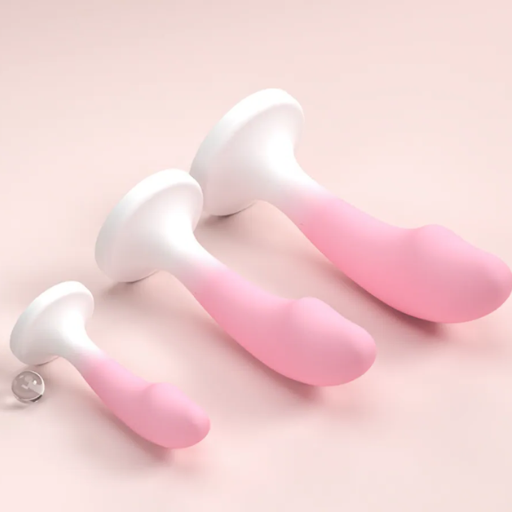
Reason why sex toys become means of understanding and experiencing sensations as they would pop up in sex dreams. In other words, vibrators and dildos let an individual simulate or amplify physical stimuli in a safe setting so dream arousal can be connected with pleasure in consciousness. Hence, by testing with various types, sizes, and vibration patterns, users may arrive at the type of stimulation that appeals most to them-whether that is related to their dream experience or not.
Couples toys might be another opportunity for turning big dream fantasies into shared intimacy. The application of remote-controlled vibrators or partner-friendly dildos to re-enact situations akin to erotic dreams can substantially boost closeness and pleasure. In the interest of safety and sexual discovery, usage ought to be consensual and conducted with communication.
Another advantage of playing with sex toys is the possibility of experimenting without feeling pressured or judged. Doing it solo creates some space to explore personal preferences so an individual may begin to comprehend why certain themes, objects, or sensations recur in their dreams. Such insight proves very important on the road to communication and satisfaction in partnered sex.
How Sexual Self-Exploration Can Help Identify Triggers Behind Erotic Dreams
Body exploration through sex toys can provide insight on triggers behind why do I keep having sex dreams. Physical experimentation reveals what types of touch, pressure, and stimulation bring the most pleasure so subconscious wants can meet conscious awareness.
When they keep track of their preferences and responses, one begins to identify recurring motifs in dreams with actual sensations. For example, a recurring dream about a kind of touch that relates to particular erogenous zones reacting to a vibrator or a dildo. Being aware of those dynamics promotes intentional sexual experiences, both in solitude and in partnership.
Sex toys reinforce sexual mindfulness in self-exploration. Paying attention to how the body responds to stimulation helps raise mind-body awareness, which can assist in the conscious direction of sex-related thoughts during sleep. This procedure allows the user to embrace the erotic dreamscape guilt-free, foster confidence, instance, and ultimately serve sexual health.
Tips for Connecting Dream Arousal with Mindful Solo Play or Relaxation
Sex toys may aid an individual in being more aware of and more ecstatic about pleasure in a routine that supports erotic dreams. Starting out with gentle stimulation from vibrator or soft dildo in a calm mode helps bring dream-like感觉to consciousness. Such activation can then be vividly made more intense or enjoyed through conscious breathing and awareness of one’s response to the stimulation.
Trying to simulate or build on stimulation encountered in a dream while in a calm and private setting gives the practitioner an opportunity to experiment. For instance, placing a vibrating stimulator on the perineum or engaging the pelvic floor muscles stimulated may be similar to the muscle contractions that occur unconsciously during REM sleep.
Furthermore, keeping a track record of bodily reaction to the stimulation enhances insight. This includes noting the name of the toy used, the pattern of stimulation, the position used, as well as anything else that produced the most significant physical response. This helps an individual connect the dots between the subconscious erotic image and actual physical arousal. This knowledge then helps toward building a healthy relationship with sexual fantasies and experiences in dreams.
Turning Sex Dreams into Positive Sexual Wellness

How to Reflect on Your Dreams Without Shame or Guilt
Having sex dreams is a normal phenomena associated with human sexuality; however, many people feel shy or even guilt about these dreams. Knowing about regularity will take shame away and provides a positive viewpoint toward one’s sexual mind. Keeping a personal notebook to write down repeated themes and feelings may help with identifying personal sexual inclinations and arousal cues.
When giving these dreams a conscious thought, one discriminates between fantasy and reality while still respecting personal desires. This nurturing process encourages acceptance and self-recognition, which, in turn, gives insight into the emotional or corporeal signals present in one’s day-to-day existence. Talking about dreams openly (with the consent of both partners) can create a closer bond between partners.
Judgment-free analysis of erotic dreams is crucial to recognizing the patterns that inform sexual exploration. Upon reflection, having such knowledge further enhances sexual satisfaction while also rewarding an appreciative awareness of what is fulfilling to pleasure-pleasure, thereby improving sexual quality of life.
Building a Healthy Relationship with Your Fantasies and Body
A healthy relationship with one’s sexual fantasies begins with the realization that they are a normal human experience. Dreams usually depict desires, interests, and aspirations-esperiences that are sometimes left unexplored-and by embracing these, they create confidence in one’s body and negate guilt. Safe experimentation with masturbation and adult toys provides a practical avenue for exploring and enjoying these fantasies.
Whenever dealing with arousal, a consideration must be made for the wholesome acceptance of its natural bodily responses-that is, without any self-judgment. This process imparts the individual with much-needed confidence that hopefully culminates in pleasurable sexual moments. Once attuned, those who embrace such bodily requirements become increasingly comfortable in exploring their needs and boundaries concerning themselves as well as with partners.
Mixing fantasized dream scenarios into consensual sex acts will undoubtedly boost intimacy in the couple. Knowing and monitoring the link between their mind and body ensures a conscious and desirable sexual experience. Embracing the fantasy state nimbly would render sexual expression safe and rewarding.
Encouraging Body Positivity and Open Sexual Communication with Partners
Conversations about sex dreams can help increase an intrinsic feeling of trust and intimacy that binds two people together. When dream scenarios or desires are presented to a partner respectfully, they become mechanisms for facilitating mutual understanding and pleasure. In doing so, this creates conversations that normalize sexual curiosity and allow a safe space to air out interests.
Body positivity is critical in this setup. When we embrace our bodies with their natural responses to arousal, confidence rises and may translate to more gratifying sexual engagements. Fixating on any list of things that apparently do not translate as “good” could only hinder the real connection with what is actually pleasurable for you and others.
Combining self-acceptance with honest dialogue helps partners navigate fantasies, sexual preferences, and boundaries together. Communication creates an emotional bond that is beneficial for this exploration, which is about safe, consensual fun, thereby turning sex dreams into a positive force for sexual health.
When to Be Concerned About Frequent Sex Dreams

Identifying Signs That Frequent Erotic Dreams May Relate to Stress or Hormonal Imbalance
Sexuality dreams, in some cases, manifest under stress, hormonal changes, or altered mental health conditions. Individuals would observe more dreams appear during anxious events, anxious periods at work, or drastic life changes. By keeping track of sleep, stress, and mood, one can know if such sexual dreams correlate with some inside stress or hormone changes.
Fluctuation of hormone levels, for example, yum-yum changes in testosterone, estrogen, or other sex-related hormones, might hit libido with the kind of vividness and frequency needed for sexual activity in their dreams. Understanding physiological chemistry linking dream contents may give people some insight into putting their ephemeral experiences into perspective. Keeping a recorded log about one’s diet, sleep quality, and hormonal cycle may be useful in understanding how they’re related to the frequency and intensity of sexual dreams.
Understanding these patterns allows one to make a distinction between normal variations in sexual dreaming and something to be worried about. If those recurring dreams become distressful and interfere with daily functioning or appear to be unusually intense, then perhaps something should be looked into.
How Anxiety, Medication, or Sleep Issues Can Influence Dream Frequency
A number of drugs, especially those that affect serotonin or dopamine concentrations, increase an individual’s chances of having vivid sex dreams. Depression, sleep medicine, or hormone treatments can all affect dream patterns and sexual arousal during sleep. It becomes important to get such substances’ side effects addressed with a doctor in order for sexual wellness and general health to be maintained.
Disruptions in sleep, such as insomnia or are irregular schedules, can increase the intensity or frequency of dreams. Poor quality of sleep can also raise emotions relating to dreams such as sexual content. Therefore, maintaining good sleep hygiene with regular routines, relaxation techniques, and limiting stimulants can reduce sexual dreams that are either distressing or occurring too frequently.
Anxiety can increase the brain’s receptivity to sexual thoughts and fantasies. This condition is then transported into dreams. Treating anxiety by engaging in therapy, mindfulness, or relaxation exercises could help regulate the frequency of dreams and create a more balanced sexual-emotional experience.
When to Speak With a Sex Therapist or Healthcare Professional for Guidance
If frequent sex dreams produce any emotional discomfort, interfere with relationships, or are severe enough to disrupt sleep, seeing a sex therapist or healthcare provider can very well be recommended. The professionals are in an excellent position to work out an underlying psychological, hormonal, or medical cause and give directed advice for coping with the dream pattern.
When therapy is indicated, the therapist would work on remediation for sexual guilt, anxiety, or intrusive fantasies that may occur with frequent erotic dreams. In this manner, they ensure that sexual wellness is upheld while minimizing any calamitous effect on mental health.
Seeking help from mental health professionals does not mean considering the dreamed events themselves as pathological but rather equips the subject with the tools and insight to properly handle their effects. Such a process will hence promote a healthier relationship with the subject himself concerning his sexuality with regard to emotional health and his experiences in intimacy.
References
-
What’s normal when it comes to wet dreams? – Columbia University (Go Ask Alice!)
Provides insights into the frequency and causes of sexual dreams, including potential ways to manage them. -
Why am I having sex dreams about my dad? – Columbia University (Go Ask Alice!)
Discusses psychological theories, such as the Electra complex, and how dreams may symbolize deeper emotional or relational issues. -
Sexual dream and family relationships in frequent dreamers – PubMed Central (PMC)
Explores how early life family relationships can shape adult sexuality and influence the occurrence of sexual dreams. - Click here to read more.
Frequently Asked Questions (FAQ)
Q: What do my sex dreams mean?
A: Sex dreams are very much normal and fairly common. More importantly, they reflect your subconscious mind at work through daily thoughts, emotions, and desires. Sometimes they are not real wishes picturized before your eyes. In some cases, what your dreams really show is the craving of an individual for closeness, a pursuit of a new project he is seriously passionate about, or his attempt at hours of training in producing different aspects of his personality. Their meaning is, in fact, very personal and attached directly to one experience and to a person’s present emotional state.
Q: Why do I keep having sex dreams about the same person?
A: It is very puzzling to keep having sex dreams about the same person, but usually, such dreams refer to unresolved feelings for that particular person or to what that person represents to you. It may not be related solely to romantic or sexual feelings. Reflect on what the person stands for in your life. Do they represent achievement, confidence, or a feeling of security that you really long for? Your subconscious may be using that person’s image to dive into those areas.
Q: Can stress and anxiety prompt the occurrence of more frequent sex dreams?
A: Surely they’ve been deemed stress and anxiety emotional triggers for an increase in the volume of vivid dreams including sexual ones. During stressful periods, your brain works overtime to process emotions, and this can be expressed as various scenarios in dreams. These scenarios could be the mind’s way of discharging tension or unconsciously going over themes of control and vulnerability that usually accompany heavy stress.
Q: So, how do the dynamics in relationships affect my sex dreams?
A: Your present relationship status and dynamics greatly influence the content of your dreams. If in a happy relationship, beyond intimacy, your dreams might reflect that very intimacy. If there is conflict or distance, your dreams could go towards themes of infidelity or making connections with others as a way to process dissatisfaction. If you’re single, sex dreams can be a natural sublimation for yearning for connection and intimacy.
Q: Why do I keep having sex dreams when I’m not sexually active?
A: This is a common question. Having sex dreams is not directly tied to one’s level of sexual activity. The mind and subconscious give rise to the dream process and it is not the physical urges that are responsible for it. They may stem from feelings of emotional intimacy, creativity, or just the circumstantial mechanism of brain sorting between memories and media consumed by you. They are a normal part of one’s entire sexual health, irrespective of one’s activity level.
Q: Is it normal to have sex dreams about people I’m not attracted to?
A: It is completely normal. The only characters in our dreams are symbols. Sex dreams with a co-worker or a friend or a stranger you’re not attracted to might rarely be about a secret desire to have them. Think of what qualities you associate with that person. Your dream might be about your desire to incorporate those qualities into your own life – maybe confidence or creativity.
Q: Should I be concerned about my sexual health if I have frequent sex dreams?
A: Usually, frequent sex dreams do not create concern over sex health. It is a natural and healthy expression of human sexuality and emotion. But if they are distressing, anxious, or linked to some past trauma, it would do good if you could see a therapist or counselor for bridge work into the triggers causing those feelings and for working through the underlying issues interfering with your daily life.