
Selecting the proper lubricant can significantly improve comfort, safety, and pleasure during intimate activities. For novice and experienced users, accuracy in choosing safe and material-compatible lubricants is critical. The proper lubricant boosts feel, prevents possible damage to your accessory, and guarantees a smooth, risk-free experience. This guide will explain types of lubricants, their material compatibility, and essential pointers that help choose a legal, body-safe lubricant. By the end of this document, you will be equipped with the confidence and information to select a lubricant that perfectly fits your needs.
Which lubricant is best for dildos?

Most dildos are best paired with water-based lubricants since they are safe with all materials and easy to clean. Silicone-based lubes are also good for non-silicone dildos as they last longer and do not dry out as fast. Oil-based lubes must be avoided at all costs as they are difficult to clean and can damage some materials.
Understanding Water-Based Lubricants
Water-based lubricants are the most common due to their lightweight texture, which allows them to be used with many materials. These lubricants can be used safely with condoms, even those made from latex, and with all types of sex toys, regardless of the materials used. An essential advantage of water-based lubricants is that they are easy to clean, non-staining, and soluble in water.
Studies have shown that water-based lubricants also have a lower chance of irritating compared with other lubricants because they are designed to mimic the body’s natural lubrication. Many of these products are pH-balanced and free of glycerin, which is a plus for sensitive and allergic people. With all these positives, water-based lubricants have one downside: sometimes, they must be reapplied during prolonged usage since they get absorbed into the skin or evaporate over time.
According to research, customers from various demographics prefer water-based lubricants due to their versatility and ease of use. Furthermore, technological advancements have introduced long-lasting and hybrid water-based lubricants, minimizing the need for frequent reapplication while remaining skin-friendly. It is highly recommended for users seeking a safe and reliable water-based lubricant.
Advantages of Silicone-Based Lubes
Silicone lubes shine with unparalleled longevity and protective qualities, making them perfect for extended use without needing to reapply. Because silicone lubricants are eco-friendly and waterproof, they are particularly suitable for showers, swimming, or other wet conditions. Unlike water-based lubricants, silicone lubes do not dry out or become sticky, maintaining their slippery texture and reducing friction for longer.
Silicone lubes are hypoallergenic and gentle on the skin. They are kinder to the skin because they have fewer additives. This hypoallergenic property makes silicone lubes suitable for sensitive skin and allergies. Market data indicate that silicone-based lubricants are becoming increasingly popular among buyers looking for high-quality, better-performing silicone alternatives. The global personal lubricants market is estimated to grow at a compound annual growth rate (CAGR) of over 8% between 2023 and 2030.
Moreover, silicone lubes are compatible with latex condoms, enhancing their use and safety. While silicone lubricants may not be the best choice with silicone sex toys, as these could degrade the material, they still stand out as top performers. Silicone lubricants are the best option for users who value long-lasting durability and performance.
Risks of Oil-Based Lubricants and Dildos
The use of certain sex toys – like dildos – could be problematic when paired with oil-based lubricants, particularly due to the risk of silicone and latex degradation, which could compromise the structural integrity of the toy over time, weakening its resilience and potentially becoming detrimental to sanitation. Silicone is notorious for having its structure cracked and weakened by oil degradation. Further, latex is known to undergo shattering breakage while being damaged during use due to exposure to oil-based lubes.
Oil-based lubricants have the adverse effect of capturing bacteria on porous materials such as jelly rubber or TPE due to their dense composition, which creates a thick residue, increasing the risk of infections or irritation. Moreover, individuals with sensitive skin may experience adverse effects, which include, but are not limited to, itching and redness.
Oil-based lubricants have a greater environmental impact than water-based or silicone-based lubricants. This difference is best exemplified by the ease of cleanup for each type of lubricant: being insoluble in water leads to oil-based lubricants staining fabrics and surfaces alike.
Verifying bodily safety and pleasure comes from selecting a lubricant that works for one’s body and the toy’s material as well.
Are water-based lubricants safe for all dildo materials?

Water-based lubes are safe to use with all dildo materials. They pose no risk of damaging silicone, glass, metal, or plastic, which makes them non-abrasive and easy to clean. As always, check the manufacturer’s instructions for specific compliance.
Compatibility with silicone dildos
Choosing the right lubricants is crucial for maintaining the integrity and prolonging the life of silicone dildo toys. Usually, silicone-based lubricants are not used with silicone dildos. Silicone forms a bond with both the insert and the lubricant, and over time, this results in the surface of the toy degrading to a sticky, gummy residue. This reduces the toy’s effectiveness and cleanliness.
Widely regarded water-based lubricants for silicone dildos stand up to the toy’s material and make cleaning easy, making them easy to maintain. Furthermore, many water-based lubricants are high-quality, body-safe, and hypoallergenic, making them ideal for sensitive skin.
If you seek something other than water-based lubricants while avoiding silicone-based formulas, hybrid lubricants, a mix of small amounts of water and silicone, may be your middle ground. Nevertheless, it is advisable to check the skin for any adverse reactions before proper application, as they tend to affect a small area of the toy first to be ensured.
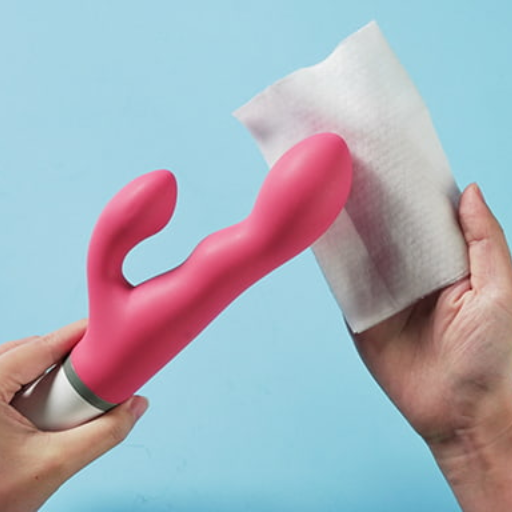
Proper care also requires cleaning the dildo with warm water and either mild soap or a specialized toy cleaner. Ensuring all lubricant residues are removed helps maintain the toy’s structure and quality, extending its lifespan.
Using a Water-Based Lube for Sensitive Skin
Water-based lubricants are a practical solution: they soothe sensitive skin while providing moisture. They are gentler and often free of parabens, glycerin, and fragrances, which usually lead to discomfort or allergic reactions. These supportive ingredients associated with sensitive skin make water-based lubricants soothing and skin-friendly. Physicians suggest water-based lubricants because they are non-greasy, fragrance-free, and lack harsh chemicals.
Those with sensitive skin have increased chances of irritation from oil and silicone for lubes, as they are heavier and tend to trap dirt under the skin. Unlike oil-based lubricants, water-based lubes are lightweight, don’t clog pores, and don’t leave residue. In addition, many water-based lubes are infused with skin-soothing ingredients like aloe vera or chamomile extract, which help reduce redness and dryness.
Water-based lubes labeled pH-balanced offer added safety and comfort features. Preserving the skin’s ideal acid-base balance is essential, especially in the vaginal area, where deviation from the normal range can lead to infections. The recommended vaginal pH is between 3.5 and 4.5, making pH-balanced lubes a great alternative.
Choosing water-based lubricants designed for delicate skin helps users enhance enjoyment without jeopardizing skin health and comfort. Protecting your skin always starts with checking the ingredient list first.
Does it need to be Reapplied More Frequently?
Although water-based lubricants are known for their versatility and hydrating qualities, they are not as long-lasting as silicone-based lubricants. Water-based products are more susceptible to drying out during prolonged use or in dry settings. Medical studies show water-based lubricant users endure the need to reapply for an average of 10-20 minutes.
Due to body heat and friction, users may need to reapply lubricant more often. Luckily for these users, newer formulations of lubricants that include additional moisturizing aids like hyaluronic acid are now available. Users looking for products that promise a longer-lasting experience may look at these alternatives or use new hybrid lubricants that promise the best of both worlds with attributes from water—and silicone-based products.
Can silicone-based lubricants be used on silicone dildos?

Silicone-based lubricants should not be used on silicone dildos, as they would become sticky and damaged over time. Water-based lubes are ideal for silicone dildos, as they keep them safe. Manufacturer instructions should always be followed for these kinds of products.
Why You Should Keep Silicone Lubricants Away from Silicone Dildos
The lubricants with a silicone base enjoy a good reputation among users for their long-lasting, silky smooth texture. They are popular for intimate products. However, with the silicone dildos, using silicone lubricants presents a danger to the toy’s integrity. This is because silicone lubes pose an incredible chemical risk to silicone toys, causing their surfaces to erode or become sticky over time. The weakening of these materials not only ruins the aesthetic value and quality of silicone dildos but also makes it much more challenging to clean up damaged surfaces, making it easier to accumulate bacteria.
As per industry experts, this strain occurs due to the incompatible chemical composition of cured silicone toys and silicone lubricants. Studies show even minute volumes _of silicone-based lubricants can begin attacking the high-quality silicone toy’s outer surrounding layer, especially with prolonged contact. Switching to water-based lubricants that work perfectly with silicone toys and protect their strength is strongly advised to circumvent this concern. Through thoughtful lubricating decisions, users can maintain their toys’ prime condition for long.
The best way to use a silicone dildo
Effective and safe use of a silicone dildo requires following some essential steps to make sure the process is not only satisfying but also hygienic. To start, be sure to wash the dildo before and after each use. Since silicone is nonporous, it can easily be cleaned with warm water, mild soap, or a specific toy cleaner. A few high-quality silicone dildos can even be boiled for a few minutes, but always check the manufacturer’s guidelines to avoid damage.
Also, to maximize comfort and pleasure, make sure to apply silicone-compatible lubricants. Water-based lubricants are the best option as they do not react with silicone. Apply generously to both the toy and the area that will require penetration to make the experience frictionless.
Finally, with complete relaxation, slowly revolve around the use of the toy, which will efficiently familiarize you with the process without putting your physical health in vehicular danger. For some users, they may prefer hands-free play through the use of a harness, which is particularly beneficial for dildos with flared bases.
Avoid exposing your silicone dildo to direct heat or ultraviolet rays, as this may compromise its structural integrity. To prevent chemical interactions with silicone, refrain from storing the dildo near jelly or PVC toys. Most silicone dildos include pouches, which make it easier to prevent dust and debris from reaching your toy.
Taking these steps will ensure that your silicone dildo not only offers pleasure but also serves as a durable and safe option for many years.
How do oil-based lubricants affect dildo materials?

Oil lubricants can ruin some dildos made out of latex or softer materials such as jelly rubber. These oil lubricants can make surfaces smoother, stickier, or weaker with time. Moreover, oil-based lubricants are very difficult to wash off and trap bacteria, which can cause serious health issues. For safety reasons, one should always check the guidelines provided by the manufacturer, but generally, water-based lubes are a safer option.
Potential damage to dildo materials
While silicone dildos are long-lasting, they are prone to certain damage without proper care. One common issue is leeching from some lubricants that jelly or PVC bind to. Such materials may trigger reactions where the silicone is degraded to a sticky or discolored surface. In addition, lack of care and the use of too much harsh, non-abrassive soaps, scrubs, alcohol cleaners, or any other harsh cleansers can slowly weaken the silicone over time, leading to microtears where bacteria can thrive.
As discussed earlier, unwanted spores such as dust can easily clog the fine pores and degrade performance; this itself speaks to the degradation of silicone dildos. However, another equally important factor is dull storage spaces. Also, prolonged exposure to light and heat can warp silicone, altering its softness and firmness, which are crucial for the perfect sex toy silicone.
Research indicates that appropriate and frequent baby boiling of medical-grade silicone and water-based lubricants extends the silicone’s life. Keeping the sex toys away from each other prevents other chemical reactions, while providing a clean pouch consumes them from the outside environmental contact, maintaining the silicone’s life. Such careful management allows using these dildoes completely hygienically and safely for years.
Impact on Sexual Pleasure and Lubrication
Material selection for sex toys significantly impacts enjoyment and comfort. Silicone, one of the most common materials, is body-safe and smooth, promoting stimulation during use. A 2022 study highlighted that 81 percent of respondents preferred silicone toys because silicone was compatible with water-based lubricants and retained heat, warming up during use, which enhanced the experience.
Lubrication provides another critical factor complemented by the enhancement of sexual pleasure. Good lubrication increases sensation while reducing discomfort and friction. Water-based lubricants are the safest and most compatible with most sex toys. For silicone toys, using silicone-based lubricants poses the risk of damaging the surface over time and should be avoided. Also, popular natural oil-based lubricants might not be appropriate for sex toys because they could damage latex or similar materials.
Focusing on the type of lubricant used and the toy material is paramount to optimizing pleasure and ensuring the experience is enjoyed and preserved. Research affirms that proper decision-making raises satisfaction and improves safety in these situations.
How do you choose the proper lubricant for your dildo?

While selecting a proper lubricant for your dildo, verify its material and the suggestions made by the manufacturer first. For dildos made from silicone, do not use silicone-based lubes because those will damage the surface; instead, use water-based lubricants. Further, for dildos made from latex and the like, water-based lubricants remain the best option as they are safe and easy to clean. Non-porous glass or metal dildos could be supported by oil-based lubricants, but remember that these substances are generally hard to clean and are incompatible with condoms or other barrier methods. Always ensure that only comfortable, body-safe lubes are applied during use.
Factors to Consider for Sexual Satisfaction
Sexual satisfaction is influenced by physical health, emotional factors, and personal intimacy. Working on these areas can significantly improve one’s sexual experiences.
Emotional Bond and Communication: Talking to your partner openly enhances the relationship. Couples who discuss and set boundaries often feel satisfied in their relationships. Closeness, such as trust and respect, also allows for safe nurturing and exploration.
Physical Fitness: Our physical health impacts sexual satisfaction. Mental wellbeing, blood flow, energy levels, and exercise reinforce a healthy sex life. Medical issues such as obesity, diabetes, and high blood pressure can derail sexual functioning. Addressing such concerns can help enhance long-lasting sexual satisfaction.
Mental Well-being and Stress Management: High levels of stress can hinder sexual enjoyment. Stress hormones can reduce libido. Mindfulness, meditation, and pursuing hobbies improve mental health and sexual satisfaction.
Experimentation and Variety: Trying new things, like changing positions and introducing toys, can rekindle passion. Surveys indicate that couples who incorporate variety into their physical intimacy tend to feel more satisfied in their relationships.
Lifestyle Habits and Substance Use: Unhealthy habits, including smoking and drinking, can diminish sexual satisfaction and performance. Conversely, a nutritious diet and proper hydration can enhance vitality and libido. Certain foods, like nuts and berries, which are high in zinc and antioxidants, promote sexual health.
Addressing Hormonal Changes: Shifts in hormone levels significantly impact libido and performance and are a natural part of aging. Women may face vaginal dryness post-menopause while men can have diminishing testosterone levels. Therapeutic options, including hormone replacement therapies, lubricants, or dietary supplements, can increase satisfaction while addressing these concerns.
Individuals and couples can take steps to nurture and enrich sexual health by understanding these factors.
Top recommendations for different types of dildos
When choosing a dildo, understanding the variety of types available can help you select a product that meets your specific needs and preferences. Here are some top recommendations, tailored to different categories:
Realistic Dildos: Designed to mimic the shape, size, and texture of a real penis, realistic dildos often feature veins, lifelike coloring, and defined head shapes. Popular options in this category include silicone-based products like the King Cock line, which offers a range of sizes and colors. These products are ideal for individuals who value a natural aesthetic and feel.
Suction Cup Dildos: Suction cup dildos provide versatility, as they can be mounted on smooth surfaces for hands-free play. Notable products like the Lovehoney Slimline Suction Cup Dildo are praised for strtheir ong adherence and comfort during use. These dildos are available in various sizes and textures to suit personal preferences.
Dual-Purpose or Double-Ended Dildos: Perfect for couples or those exploring versatility, double-ended dildos allow for shared intimacy and exploration. The Doc Johnson Double Dong offers a flexible design that caters to multiple partner scenarios and solo use. Typically made with body-safe PVC or silicone, these are great for exploring new experiences.
G-Spot Dildos: Curved for targeted stimulation, G-spot dildos are often a go-to among individuals seeking an intense and focused experience. Silicone models such as the We-Vibe Rave are highly regarded for their design, comfort, and ease of use. Many include ergonomic features for better control.
Glass Dildos: For those seeking firmness and temperature play, glass dildos, like those from the Icicles collection, offer elegance and functionality. These are nonporous, making them easy to clean and compatible with all lubricants. Their artistic craftsmanship often makes them visually stunning as well.
Vibrating Dildos: Vibrating dildos combine the shape of a traditional dildo with added stimulation from vibration settings. The Fun Factory Stronic Realistic Vibrator is popular, boasting high-quality materials and multiple speeds for customizable pleasure.
Beginner-Friendly Dildos: Smaller, easy-to-handle dildos, such as the Blush Novelties Luxe Beginner Dildo, are perfect for those new to sex toys. These options typically feature slim designs and a focus on comfort to ease users into their exploration.
Eco-Friendly Dildos: For eco-conscious consumers, dildos are made from recycled or biodegradable materials. Brands like Love Not War provide high-quality, sustainable options while maintaining body-safe and pleasurable designs.
Key Factors to Consider: When selecting a dildo, prioritize body-safe materials like medical-grade silicone, stainless steel, or borosilicate glass. Size, texture, and functionality are important deciding factors, ensuring the product aligns with your needs. Always pair your toy with compatible lubricants and follow proper instructions for optimal longevity and hygiene.
Tips for People with Sensitive Skin
Special care is essential for individuals with sensitive skin to maintain comfort and avoid irritation. Start by choosing products labeled explicitly as hypoallergenic or designed for sensitive skin. According to dermatologists, fragrance-free options are typically safer, as added synthetic fragrances are a common irritant. Avoid harsh chemicals such as sulfates or parabens, which can strip natural oils and aggravate the skin.
Moisturization is key to maintaining the protective skin barrier. Opt for creams or ointments containing ingredients like ceramides, glycerin, and hyaluronic acid, which help to lock in moisture and soothe irritation. Studies also suggest patch-testing new products on a small skin area before complete application to check for potential allergic reactions.
Maintaining a proper skincare routine is crucial when managing sensitive skin. Use lukewarm water for cleansing, as excessively hot water can exacerbate dryness and redness. Gentle cleansers, rather than soap-based products, are ideal to prevent overdrying. It is also advised to wear sunscreen with broad-spectrum protection (SPF 30 or higher) daily to avoid UV-induced inflammation, which can be harsher on sensitive skin.
Wear fabrics like cotton for extra protection and avoid rough, synthetic materials that can cause friction and irritation. Lastly, an anti-inflammatory diet, rich in omega-3 fatty acids, antioxidants, and probiotics, has been linked to improved skin sensitivity, offering support from the inside out.
Reference Sources
Study on Lubricant Compatibility and Safety
Exploration of Risks in Sex Toy Materials
Clinical Implications of Sexual Devices
Frequently Asked Questions (FAQs)
Q: What is the best personal lubricant for dildo use?
A: The best personal lubricant for dildo use is often a water-based lube. It is compatible with most toys and skin and is less likely to irritate than other lubes.
Q: Can I use silicone-based lubes on silicone dildos?
A: It is generally not recommended to use silicone-based lubes on silicone dildos, as they may cause the toy to degrade over time. Instead, opt for a water-based or hybrid lube for a safer experience.
Q: What is a hybrid lube, and is it safe for dildos?
A: A hybrid lube is a combination of silicone and water-based lubes. It provides the longevity of silicone with the easy clean-up of water-based lubes. Hybrid lubes are usually safe for dildo use unless otherwise specified by the manufacturer.
Q: Are oil-based lubes safe for use with dildos?
A: Oil-based lubes can also be used with dildos, but they are more likely to irritate and can degrade certain materials, including latex and non-latex. They are also harder to clean.
Q: How do different lubes affect dildo materials?
A: Different lubes can affect dildo materials in various ways. Water-based lubes are safest for all materials, while silicone lubes may degrade silicone toys. Oil-based lubes can cause damage to latex and non-latex materials.
Q: Can personal lubricants be used during masturbation?
A: Yes, personal lubricants are great for masturbation. They can enhance pleasure and reduce friction, making the experience more enjoyable.
Q: How much lube should I use with my dildo?
A: Use enough lube to ensure smooth movement and comfort. Start with less lube and add more to avoid friction and provide a pleasurable experience.
Q: Can lubricants be used during menopause with dildos?
A: Yes, lubricants can be especially beneficial during menopause when vaginal dryness may occur. A high-quality water-based lube is recommended to avoid irritation.
Q: Will using lube make my dildo last as long?
A: Using the right lube is excellent for extending the life of your dildo. Avoid using incompatible lubes like silicone on silicone toys to prevent damage over time.
Q: Are there any lubes that may irritate with dildo use?
A: Some lubes may irritate, especially those with fragrances or flavors. To minimize the risk of irritation, using a simple, water-based, or hybrid lube is best.