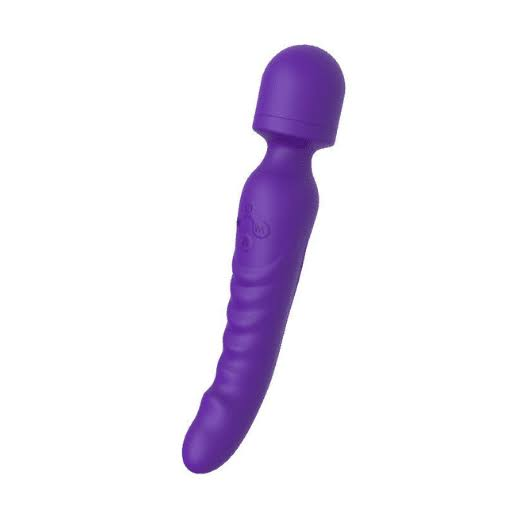

When companies acquire adult products, they must establish quality standards and safety requirements and follow ethical sourcing methods to build consumer trust while protecting their brand reputation. The factory audit process enables organizations to assess their suppliers through a structured framework which confirms suppliers’ compliance with established industry standards. The auditing process needs an efficient factory assessment method which needs to examine all essential areas for evaluating this particular delicate product category. This article provides a detailed guide to help you understand the essential elements of factory audits for adult product suppliers. Your selected suppliers need to match the safety standards and ethical requirements so that they meet your brand values and customer expectations according to the assessment process which assesses production capacity and safety standard compliance. The article explains how businesses can achieve protection through factory assessments while establishing their foundation for future achievements.
Understanding the Importance of Factory Audits in the Adult Product Industry

Why Conduct Factory Audits?
Factories need to undergo audits because these assessments provide essential proof about the operational reliability and authentic business practices of their adult product suppliers. Because recent data shows that consumers now expect brands to show transparency and accountability, search engines demonstrate this trend through increased customer inquiries about product safety and ethical sourcing and compliance. Factory audits help organizations confirm their suppliers’ compliance with established safety standards and their adherence to ethical labor standards and their ability to produce goods of uniform quality. Your brand protection from reputational damage through your noncompliant products establishes customer trust with your brand. Audits create better understanding of production flaws which leads to increased operational efficiency and reduced costs and improved inventory control which helps your company achieve sustainable success.
Unique Challenges in Adult Product Manufacturing
The adult product industry needs special solutions to its unique problems. The main difficulty arises from obeying different legal requirements which exist in multiple jurisdictions. Businesses need to follow material safety requirements and labeling requirements and marketing requirements but international operations become difficult when they need to export products to different countries.
The societal taboos and stigmas which people hold about adult products create another major obstacle. The industry faces payment processing issues because certain platforms restrict their services to businesses that operate outside their industry boundaries. According to the latest data from search engine trends, there has been an increasing consumer interest in products promoting sexual wellness, but providers still encounter barriers to promoting their products openly and on mainstream platforms.
The safety and quality of products need to be protected because these items require direct contact with human body parts. Manufacturers need to implement rigorous quality assurance measures and source hypoallergenic and non-toxic materials to protect end-users. The requirements of product design make it harder to develop new products which satisfy the needs of various users with distinct preferences and different body types.
The success of adult product manufacturing depends on companies’ ability to handle multiple challenges while they observe changes in consumer behavior and strive to remain competitive in a fast-moving industry.
Benefits of Compliance and Quality Control
Adult product manufacturing uses compliance and quality control methods to create safe products for consumers while establishing brand trust and customer loyalty. The organization saves money by avoiding legal problems and product recalls through its practice of following regulatory standards. Current research shows that consumers now prefer buying products which have certification for safety and high quality because they search for “body-safe materials” and “FDA-approved intimate products” more frequently. The results show that businesses which emphasize compliance together with strict quality standards will succeed in obtaining and retaining their most demanding customers who will help them become market leaders.
▸ Key Benefits of Conducting Factory Audits
- Supplier verification — confirms operational reliability, authentic business practices, and adherence to ethical labor standards
- Brand protection — insulates reputation from reputational damage caused by noncompliant or unsafe products
- Operational efficiency — identifies production flaws which leads to reduced costs and improved inventory control
- Legal risk reduction — avoids costly product recalls and regulatory penalties through documented compliance practices
- Consumer trust — demonstrates transparency and accountability which increasingly informed consumers now actively demand
Preparation and Planning for the Audit

Creating a Quality Control Checklist
The current search engine data requires a complete quality control checklist which will help organizations meet their compliance obligations while establishing trust with their customers. Start by including checks for body-safe materials and adherence to FDA-approved standards, as these are paramount to meet the rising consumer demand for safe and certified products. Manufacturers need to trace their supply chains for raw materials while executing comprehensive safety evaluations and obtaining all necessary compliance documentation. Organizations need to perform consistent evaluations which will help them find their compliance gaps and areas needing enhancement. The implementation of these strategies enables businesses to address customer issues while demonstrating their dedication to safety and establishing their reputation as trustworthy market leaders.
Identifying Compliance Documents Required
Companies need to find and keep every necessary document because industry standards and regulations demand this requirement. The standard documentation requirements include product safety certifications and material safety data sheets and conformity assessment reports and declarations of conformity documents. Organizations require environmental impact assessments and supplier certifications and factory audit reports to meet environmental and ethical requirements.
The current search engine data shows that customers demand transparency which has resulted in the creation of traceability reports and sustainability certifications. Organizations need to maintain current records for these areas because it helps them meet regulatory requirements while building consumer trust in their responsible business practices. Businesses can prove their compliance status while reducing potential risks through the process of gathering and assessing these documents.
▸ Essential Compliance Documents for Factory Audits
| Document Type | Purpose | Regulatory Relevance | Category |
|---|---|---|---|
| Product Safety Certifications | Confirms product meets defined safety thresholds | CE, FCC, CPSC, FDA | Safety |
| Material Safety Data Sheets (MSDS) | Details chemical composition and hazard information | California Prop 65, RoHS | Materials |
| Conformity Assessment Reports | Verifies product design and function against standards | ISO 3533, EN 71 | Compliance |
| Declarations of Conformity | Manufacturer’s formal declaration of standards adherence | EU / US market entry | Compliance |
| Environmental Impact Assessments | Evaluates ecological impact of production processes | ISO 14001, sustainability standards | Environmental |
| Traceability & Sustainability Certifications | Tracks raw material origin and verifies ethical sourcing | Consumer transparency demands | Ethical |
Scheduling the Audit: Key Considerations
The timing of an audit serves as the most important element which determines its overall success. Organizations should schedule audits during essential business times while their operational capacity reaches its highest level or when they must comply with regulatory requirements. The latest data from resources such as search engines enables businesses to track developing industry trends and fresh compliance standards while they work to identify and address future risks. The organization should use times when consumers show increased interest in sustainability to decide which environmental practice audits to conduct first. The organization will achieve maximum stakeholder trust through its audit activities which create transparent operational processes.
On-Site Inspection Process

A Pre-Shipment Inspection Process
The pre-shipment inspection process requires search engine data analysis because current market trends and regulatory requirements need to be met during this process. Businesses use this method to examine which product features consumers prefer between sustainability and quality certification and then they modify their inspection standards to fit these findings. The search trend data helps inspectors determine which product elements to check first, because consumers value eco-friendly packaging and industry safety standards more than any other aspect. Pre-shipment inspection processes use data analysis methods to improve their effectiveness while helping businesses create products which meet their customers’ needs.
The Assessment of In-Process Quality Control Systems
Business organizations use search engine data analysis to find out which customer expectations and product quality issues customers consider to be most important. Through analysis of current search trends, consumers demonstrate their preference for particular product quality features which include durability and sustainability and new technological advantages. The production process needs these attributes to be tracked through in-process quality control systems because they need to be monitored throughout the entire manufacturing process. The question arises: how can this data practically enhance quality control? The answer involves using search trends to identify essential testing parts which will include testing procedures for both eco-friendly materials and durable products. The product testing process enables manufacturers to identify customer needs and fix their issues before they emerge, which decreases product faults and improves customer satisfaction.
Assessing Safety Standards: ISO 3533 and Beyond
The analysis shows that ISO 3533 together with other safety standards requires testing because the current research data shows new safety regulations which organizations need to implement. Search trends show that people want companies to provide information about their products which meets worldwide safety regulations especially in manufacturing and healthcare and consumer goods sectors. Manufacturing companies can use these insights to change their operations in order to fulfill both legal obligations and new market demands from customers. The frequent online searches about “certified sustainable products” and “chemical safety regulations” demonstrate that these subjects can improve a product’s ability to attract consumers. The collection of this data enables companies to improve their ISO compliance while developing better safety measures which will help them gain customer trust and loyalty through sustainable practices.
01
02
03
04
05
Post-Audit Actions and Follow-Ups

Reviewing the Audit Test Report
The audit test report functions as a complete overview which shows how a product meets ISO standards and all other applicable regulations. Businesses can obtain essential information about current customer issues and upcoming industry standards by using search engine data together with their most recent information. The audit findings can be verified through search trends which show that people are increasingly interested in “biodegradable packaging solutions” and “non-toxic material certifications.” Businesses use the report’s findings on gaps and search-based insights to create their improvement plans which help them achieve regulatory compliance and current market standards. The organization establishes itself as the leading innovator in safety and sustainability through this approach which enhances consumer trust.
Addressing Non-Compliance Issues
Organizations need to combine audit results with current search engine information because this method delivers effective solutions to their non-compliance problems. Businesses can discover their product and process deficiencies by examining popular search queries that relate to regulations and certifications and consumer concerns. Companies should adopt eco-friendly packaging materials which customers now demand as their primary sustainable solution because searches show that people want these products. The data-driven approach enables organizations to fix their existing problems while they develop new industry standards which will help them build long-term trust with customers.
Implementing Continuous Improvement Strategies
Using current search engine data enables better continuous improvement strategies because the data provides usable market trend and consumer behavior and new demand information. Businesses track consumer behavior changes through trending search queries because they show which sustainable products and innovative technologies and personalized services customers prefer. Organizations use real-time data to investigate essential customer search patterns and determine necessary service modifications.
The insights help organizations to enhance their ongoing improvement initiatives because they provide companies with the ability to improve their operational methods and develop better products which keep them competitive in fluctuating business markets. The approach creates an efficient operational system which produces new ideas through its ability to link business objectives with evolving customer demands.
Post-Audit Action Framework
An effective post-audit cycle runs through three stages: Review — map audit findings against ISO standards and current market expectations. Remediate — address non-compliance with data-driven corrective actions, prioritising body-safe materials and eco-friendly packaging. Improve — embed real-time search and consumer trend data into continuous improvement processes to stay ahead of regulatory and market shifts.
Ensuring Toy Safety and Compliance

Understanding Toy Safety Standards
The standards for toy safety exist to develop safe products which protect children from various dangers including choking hazards and harmful materials and bodily harm. The standards protect children of different ages through basic principles which create regional safety requirements. The United States establishes specific lead and phthalate limits for toys through the Consumer Product Safety Improvement Act (CPSIA) while the European Union enforces similar rules through the EN 71 standard.
The latest data from search trends shows that people most frequently ask, “How do I know if a toy complies with safety standards?” Consumers should verify product safety through official certifications and safety labels which include the CE mark for European products and ASTM compliance in the United States. The product description testing for age restrictions and buying from trusted manufacturers provide additional evidence that products meet safety requirements. The steps which need to be taken to safeguard children require that only safe toys which meet common safety requirements should be used in playtime activities.
Materials Safety in Adult Toy Manufacturing
The assessment of materials safety in adult toy production requires the evaluation of materials which do not contain toxic substances and which meet body safety and hypoallergenic standards. The study indicates that high-quality silicone and stainless steel and ABS plastic and borosilicate glass constitute the most frequently used secure materials. The materials were selected because they demonstrate both extended durability and complete non-porous protection which enables effective cleaning and sterilization with standard methods. Recent search trends show that consumers now pay more attention to phthalates together with other dangerous substances which are present in inferior quality toys. Adults need to choose items which medical facilities and food businesses use while they should also verify RoHS and FDA approvals. Health risks decrease when consumers combine their product knowledge with trusted brand research.
Ethical Production Practices in the Adult Industry
The adult industry now faces increased demand for ethical production methods because consumers want environmentally sustainable products which ensure worker safety rights and ethical treatment. The latest search engine data shows that users have increasingly searched for terms such as “ethically made adult products” and “sustainable materials in adult toys” during the last twelve months. The research results show that consumers now demand enterprises to provide detailed information about their production methods. The production process needs to use body-safe materials which do not contain toxic substances together with eco-friendly packaging and fair labor practices. Organizations can prove their dedication to customer and environmental protection through ISO certification and renewable material usage. Brands which clearly present their product origins and manufacturing processes will receive more consumer support because customers now expect businesses to operate ethically in all sectors. Companies which meet these consumer requirements will build customer trust while establishing a standard for ethical production methods.
▸ Body-Safe Materials: Properties & Compliance Attributes
| Material | Key Properties | Non-Porous | Compliance / Approvals | Sterilizable |
|---|---|---|---|---|
| Medical-Grade Silicone | Hypoallergenic, flexible, durable, odourless | Yes | FDA, RoHS, ISO | Yes — boiling, autoclave |
| Stainless Steel | Rigid, corrosion-resistant, temperature-responsive | Yes | FDA, medical-grade certified | Yes — full sterilization |
| ABS Plastic | Hard, lightweight, smooth surface finish | Yes | RoHS, phthalate-free verified | Partial — surface cleaning |
| Borosilicate Glass | Non-reactive, temperature-resistant, odourless | Yes | FDA-equivalent standards | Yes — boiling, dishwasher |
▸ Key Regulatory Standards for Adult Product Manufacturing
| Standard / Regulation | Jurisdiction | Scope | Key Requirement |
|---|---|---|---|
| ISO 3533 | International | Sex toys — safety, materials, and labelling | Biocompatibility, chemical safety, performance testing |
| California Prop 65 | United States (CA) | Chemical disclosure and warning requirements | Warning labels for chemicals known to cause cancer or reproductive harm |
| CPSIA / CPSC | United States | Consumer product safety including lead and phthalate limits | Third-party testing, labelling, and importer certification |
| CE / EN 71 | European Union | Physical, chemical, and flammability safety requirements | CE marking and conformity declaration for EU market entry |
| FCC / 21 CFR | United States | Electromagnetic compatibility and material safety | Radio frequency emissions and electronic device certification |
| RoHS | EU / global equivalent | Restriction of hazardous substances in electronic equipment | Limits on lead, mercury, cadmium, and phthalates in components |
Frequently Asked Questions
Q.
How does a sex toy factory audit check for electrical safety and flammability risks?
The auditors conduct an electrical safety evaluation through their examination of laboratory testing documentation which includes FCC and 21 CFR materials to verify that operations comply with electrical safety regulations and safety directives. The team assesses product components by testing their flammability properties and validating material certifications to confirm that products fulfill required safety standards and performance benchmarks. The audit includes inspection of finished goods for sharp edges and critical defects that could be hazardous during direct contact. The auditors assess three types of documents which include risk assessment documents and testing documentation that shows essential testing achievements and records of rectification for critical product flaws. The process establishes two benefits because it protects users from electrical hazards and fire-related dangers and it increases compliance with importer and consumer product safety commission requirements.
Q.
Why does compliance help when you evaluate design and operational functions and specification management?
Compliance helps by ensuring design and function traceability through controlled specification documents which define critical dimensions tolerance limits and chosen AQL for inspection of finished products. Auditors check that design changes are recorded and validated to ensure consistency and product quality across production batches and final packaging steps. The factory needs a complete quality management system which includes all necessary elements for establishing quality standards and assessing risks and managing both minor and major defects. Proper specification control also supports regulatory compliance for medical devices if products are classified as medical devices or interact with lubricants and massage products. The implementation of compliance measures helps organizations avoid expensive product recalls while it decreases their chances of failing to meet customer requirements and shipping label standards.
Q.
What should an auditor look for regarding sex toy safety, materials, and contact with genitalia?
The auditor must confirm that all materials which contact genitalia show biocompatibility while lacking any chemicals which California Prop 65 designates as dangerous and which proposition 65 warnings mention. The checklist must include inspection for sharp edges, surface finish, and any critical defect that could harm users, as well as testing for flammability and chemical migration. The records must demonstrate that the sex toys meet all required safety standards together with any relevant regulations which include consumer product safety commission guidelines and the safety rules of specific countries. The audit should also confirm whether lubricants or lubricant-compatible materials have been evaluated for compatibility and safety. The combination of clear product labeling together with user instructions and documentation of safe product usage shows compliance with regulations while protecting users from danger.
Q.
How do audits assess quality management and testing ensures product quality for vibrators and electronic toys?
Auditors evaluate the factory quality management system by checking which documented procedures exist for incoming inspection and in-process checks and final inspection together with functional testing of vibrators and electronic toys. They check records of lab testing, including electrical safety, EMC, FCC compliance, and specific key tests that relate to performance and safety, to confirm testing ensures reliable function and longevity. The audit verifies calibration records for instruments used to measure critical dimensions and outside tolerance incidents, and evaluates how the factory handles nonconforming products, rework, and root cause analysis for major defects. The inspectors maintain packing list accuracy through their assessment of final packaging integrity and shipping marks to confirm that products will arrive at importers in a state which fulfills all compliance requirements. The audits establish control validation which results in uniformity across all processes.
Q.
What role do importer responsibilities and regulatory compliance play in a sex toy audit checklist?
The sex toy audit checklist requires importers to verify that manufacturers present proof of regulatory compliance through CE and FCC and CPSC documents while products must comply with market-specific safety standards. The auditors need to verify that the factory keeps all records which include both batch traceability data and packing list details and all documents that show products meet safety requirements and health standards. The importer must verify lab testing results and conformity assessment documents and labeling requirements to prevent noncompliance with California Proposition 65 regulations. The audit should verify that the factory provides essential information to the importer which includes details about significant defects and all actions taken to correct those defects and the classification of products as medical devices. The process of assigning responsibilities between importer and manufacturer creates better protection for consumers while decreasing liability risks.
Q.
What methods do final inspection and packing list checks use to guarantee product safety and prepare products for shipment?
Final inspection checks finished units to see whether they meet specifications while the team looks for both minor and major defects and assesses whether critical dimensions meet approved tolerances and whether AQL requirements have been achieved before the final packaging process starts. Auditors check the packing list and shipping marks and final packaging to verify that the contents match the documented information while the packaging system guarantees user protection and hygienic product maintenance during transportation. The records of final inspection must contain the test reports together with acceptance criteria plus any special handling instructions that apply to regulated products or medical devices. The checklist should verify that safety rules and safety and performance documentation accompany shipments and that lubricant compatibility or inclusion is correctly documented. The process guarantees that all shipments meet full compliance requirements and become ready for distribution to the market.
Reference Sources
LinkedIn Article: What is the best way to do a factory audit for TPE adult toys?
Discusses essential checklist items for auditing factories producing TPE-based products.
Eurofins: How to Conduct Toy Safety Assessment
Provides guidelines for assessing safety in toy manufacturing, including chemical and mechanical standards.