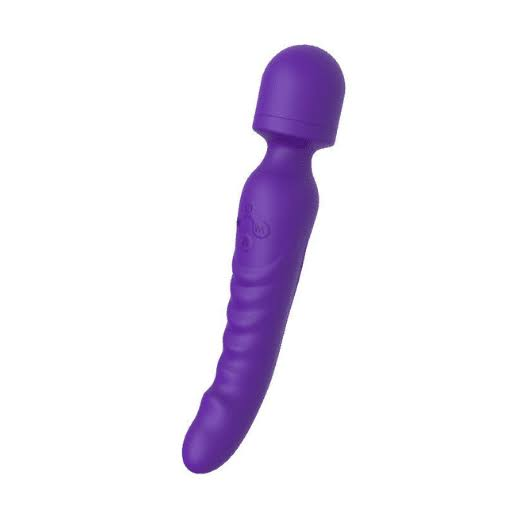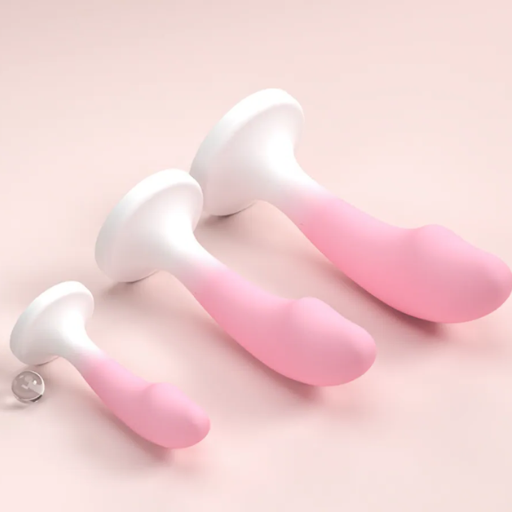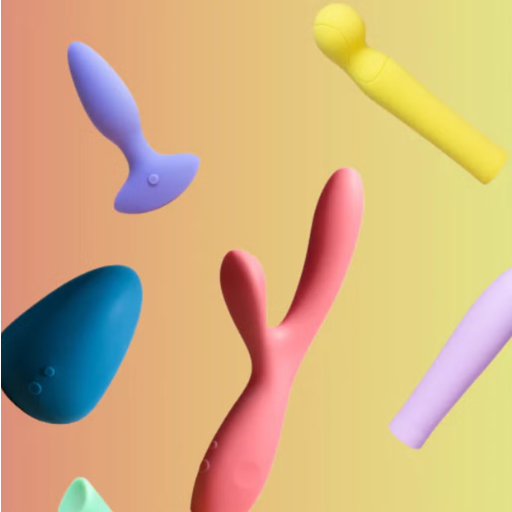

The selection of high-end pleasure items depends more on material choices than most people understand. Silicone offers the best quality, safety, and flexibility among available options. All consumers need to learn about product materials because this knowledge affects their health, product usage duration, and satisfaction. The guide shows how silicone became the industry standard while explaining material performance differences.
Introduction to Sex Toy Materials
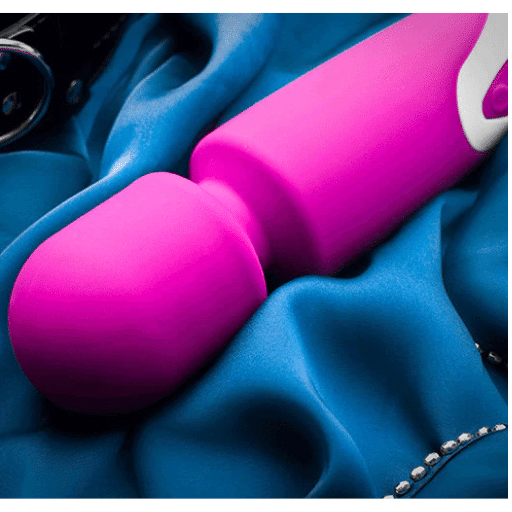
What Are Sex Toys Made Of?
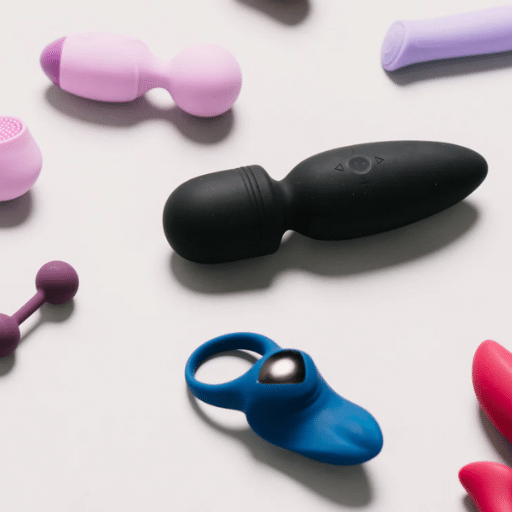
Sex toys are constructed from a broad range of materials that contain different properties that establish feel, safety, and durability. The most common materials used in production include silicone, rubber, jelly, glass, metal, and ABS plastic. Medical-grade silicone stands out because it is non-porous, hypoallergenic, and easy to clean. Glass and stainless steel maintain non-porous surfaces, which provide them with distinct thermal characteristics. The material properties of jelly and rubber create porous surfaces, which make it impossible to achieve complete sanitization and result in growing hygiene dangers over time.
Research on consumer behavior shows that people now prefer products made with high-quality materials that protect their bodies. More buyers now understand that material selection directly impacts both health outcomes and how well a product holds its value across its useful life.
The Importance of Body-Safe Materials
The public now understands material safety better than ever before. Non-porous materials such as silicone and stainless steel prevent the absorption of bacteria which makes them easier to clean and decreases the risk of infections. The use of high-quality materials extends the product lifespan which creates better long-term value while establishing user trust. Material selection, at its core, must balance safety, functional performance, and long-term durability.
Overview of Common Materials Used in Pleasure Products
| Material | Porous? | Key Advantage | Primary Concern |
|---|---|---|---|
| Medical-Grade Silicone | No | Hypoallergenic, phthalate-free, soft, and easy to sterilize | Incompatible with silicone-based lubricants |
| ABS Plastic | No | Lightweight, rigid, smooth finish, widely used in electronics | Less flexible; tactile feel differs from softer materials |
| TPE / TPR | Yes | Flexible and affordable | May contain phthalates; difficult to fully sanitize |
| Borosilicate Glass | No | Elegant, hypoallergenic, excellent for temperature play | Rigid; requires careful handling |
| Stainless Steel | No | Fully sterilizable, works with all lubricant types, very durable | Heavy; higher cost; cold initial sensation |
| Jelly / PVC / Rubber | Yes | Low cost, widely available | Likely to contain phthalates; cannot be fully sanitized |
Types of Body-Safe Materials
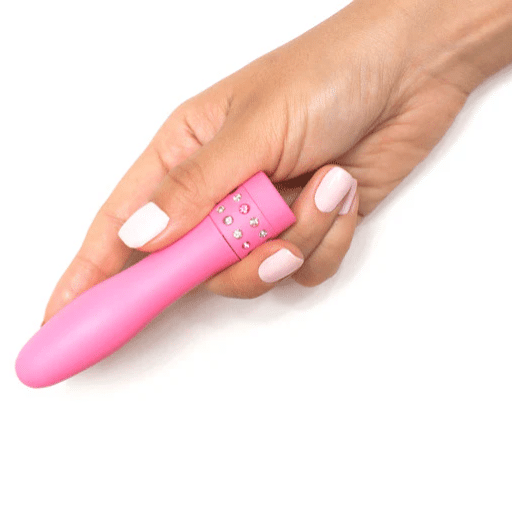
Silicone: The Gold Standard for Pleasure Products
The combination of safety, durability, and versatility makes silicone the most suitable material for manufacturing intimate products. Medical-grade silicone contains non-porous properties and hypoallergenic characteristics while being free from phthalates which users experience as a safe body contact material that feels soft and flexible and natural. Consumer search data consistently shows silicone-based products attract the highest customer interest because people now understand their safety record and performance abilities.
The rising popularity of textured silicone together with dual-density designs which use firmer cores and softer outer layers proves that silicone remains the leading material in sexual wellness products. The innovations enable users to experience more life-like feelings while keeping the essential safety features of the material intact.
COMPARISON — MEDICAL-GRADE vs. REGULAR SILICONE
Medical-Grade Silicone
- Undergoes extensive healthcare-grade testing
- Certified safe for direct human contact
- Free from harmful additives and contaminants
- FDA-recognized safety profile
Regular Silicone
- Does not meet healthcare certification thresholds
- May include unlisted additives
- Potential for skin irritation over time
- Not recommended for intimate use
KEY DISTINCTION
Non-Porous vs. Porous Materials
The non-porous materials medical-grade silicone glass and stainless steel do not permit moisture or bacteria or lubricant residue to penetrate their surfaces. The items can undergo complete sanitization between their two operational periods because they do not retain any contaminants throughout time. The jelly rubber TPE and PVC materials function as porous substances because they retain fluid after washing which creates an everlasting breeding ground for bacteria and other dangerous materials. The only acceptable standard for intimate contact requires non-porous materials.
Other Durable Materials for Pleasure Products
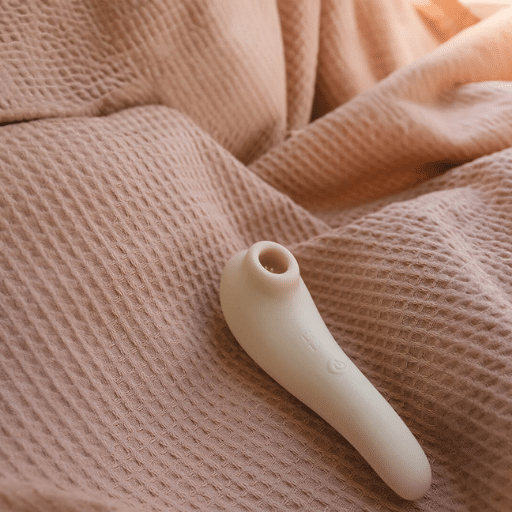
Stainless Steel: Pros and Cons
Stainless steel has won a permanent consumer base, who choose it for its hygienic properties and durable performance. The material permits complete sterilization by boiling because its surface prevents substances from entering, while it supports all types of lubricants, including silicone-based formulas, which can damage lower-grade materials. The weight and smooth texture of steel create distinctive sensory experiences that many users actively prefer. The products maintain their original properties throughout extended usage, which meets the needs of customers who seek environmentally friendly solutions that will last for a long time.
ADVANTAGES
- Fully sterilizable
- Compatible with all lubricants
- Exceptionally durable
CONSIDERATIONS
- Heavier than silicone
- Higher upfront cost
- Cold before warming to body temperature
Glass: Aesthetic and Functional Benefits
Borosilicate glass products remain impervious to water while maintaining hypoallergenic properties, which create products that need minimal upkeep and present a distinctive aesthetic. The decorative patterns and sophisticated design of glass objects transform them into both artistic masterpieces and practical items. Glass enables temperature manipulation because its products can withstand extreme heat and cold to deliver different tactile sensations, which no flexible material can duplicate. The public increasingly prefers glass products because they want to learn about safety standards and seek high-quality flexible products.
TPE and Elastomer: Understanding Their Safety
TPE (Thermoplastic Elastomer), along with comparable materials, provides manufacturers with affordable, soft, flexible materials that suit their needs for budget-sensitive products. Unregulated manufacturing allows dangerous substances such as phthalates to enter the market through unapproved products. The TPE and elastomer products require customers to check for three specific certifications: phthalate-free certification, verified hypoallergenic testing, and transparent manufacturing disclosures. Materials without odors serve as the main evidence that products have reduced danger. The safe handling of this material category depends on two main methods: consumer education and manufacturer transparency.
Identifying High-Quality Sex Toys
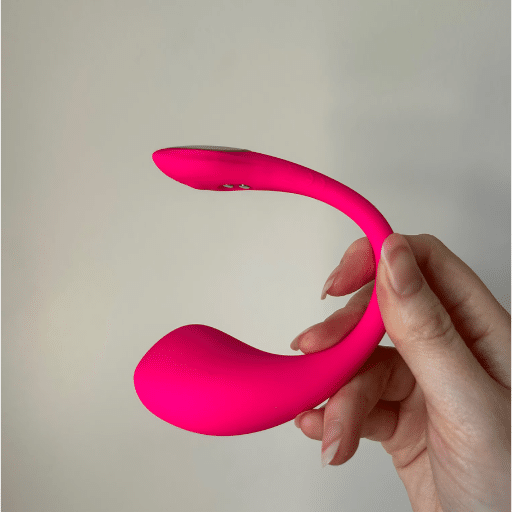
How to Recognize Body-Safe Products
The identification of materials marks the beginning of body safety procedures. The most reliable materials for body safety tests include silicone glass stainless steel and ABS hard plastic because these materials remain non-porous and are simple to disinfect and they have received extensive recommendation from both consumers and experts. The product evaluation process requires you to search for certification marks which include “phthalate-free” and “medical-grade” labels that prove the product meets strict safety standards.
People should not use products which contain jelly rubber or PVC until the products receive proper safety certifications. The design should use smooth and seamless finishes which stop bacteria from building up. The certified materials and product information become transparent to reputable manufacturers. Researching brand reputation and reading verified reviews are reliable methods for finding genuinely body-safe products.
WARNING CHECKLIST — SIGNS OF INFERIOR MATERIALS
Strong chemical odors — Indicate the possible presence of phthalates or other volatile organic compounds (VOCs).
Discoloration or sticky textures — Clear signals of material degradation, especially in older porous products.
Missing or vague material labels — Legitimate manufacturers always disclose material composition and safety certifications.
Visible seams or rough edges — These create micro-crevices where bacteria accumulate and can increase skin abrasion risk.
Generic descriptions such as “vinyl” or “PVC” without phthalate-free confirmation — These create direct health exposure risks.
CONSUMER ADVISORY — PHTHALATE TESTING
Phthalates function as chemical additives which enhance plastic flexibility but result in hormone disruption and developmental problems. The most effective protection against “phthalate-free” certification verification requires to examine all materials which the manufacturer listed together with their safety testing procedures. Products which use general terms like “vinyl” or “PVC” should be discarded until their phthalate-free status receives direct confirmation.
Choosing the Right Material for Your Needs
Factors to Consider When Selecting Materials
FACTOR 01
Safety Certification
Look for “phthalate-free,” “BPA-free,” and “medical-grade” labels. These designations confirm a manufacturer has met demonstrable safety standards.
FACTOR 02
Intended Use
The internal use requires materials that meet non-porous and body-safe certification standards. External products and novelty items present different risk assessment needs.
FACTOR 03
Durability & Longevity
Medical-grade silicone glass and stainless steel retain their original characteristics throughout extended operational periods. Materials that businesses use to cut costs lead to rapid product deterioration which decreases their safety performance and overall value.
FACTOR 04
Lubricant Compatibility
Silicone toys require water-based lubricants. Glass and stainless steel are compatible with all types. Always confirm lubricant compatibility to protect material integrity.
Tips for Maintaining the Longevity of Your Products
MAINTENANCE TIPS
- Clean after every use — Non-porous materials should be cleaned with mild soap and warm water according to their specific needs. The operation of electronic or battery-powered devices requires users to follow the particular instructions and specifications provided by their manufacturers.
- Dry completely before storage — The presence of remaining moisture in objects creates an environment that supports mold development which occurs specifically in electronic toys and materials that can absorb moisture.
- Store in breathable pouches or dedicated containers — The products need protection from three environmental factors which include dust and direct sunlight in addition to extreme temperature conditions because these elements will cause material degradation over time.
- Use compatible lubricants only — The usage of silicone-based lubricants will result in damage to lower-grade silicone materials. When in doubt, choose a water-based formula.
- Inspect regularly for surface changes — Any toy that develops stickiness or cracks or strange smells or visible color changes should be thrown away. The material breakdown process creates safety risks because it produces these specific warning signs.
SAFE USE RECOMMENDATIONS
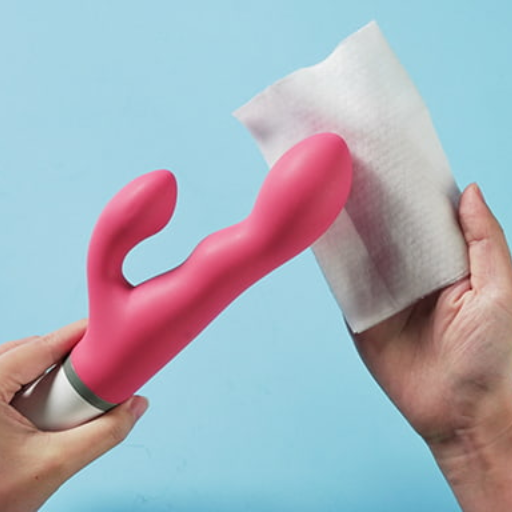
The cleaning procedure requires non-toxic cleaners which match the specific needs of the product. The use of condoms with porous toys becomes essential during flu season and for items used by multiple people. Users must handle battery-operated and electronic products with water restrictions because only damp cloths or disinfectant wipes should be used for cleaning.
The product needs to pass safety requirements which exist at the time of purchase. Companies that customers can trust will disclose their compliance information to the public. A manufacturer who tries to hide information about their materials and certifications creates a danger signal for customers.
Frequently Asked Questions
REFERENCE SOURCES
-
On Longevity and Lost Toys: Sustainable Approaches to Toy Design and Contemporary Play
Explores sustainable materials and design considerations for products, including durability and environmental impact.
-
Exploring the Dimensions of Emotional Durability and Longevity in Toy Design for Sustainability
Examines the relationship between material choices and product longevity, with emphasis on sustainability.
-
Toys and Universal Guidelines for Design: A Designerly Perspective on Playability of Character Toys
Discusses key material attributes — softness, durability, and texture — as core determinants of product quality and user safety.