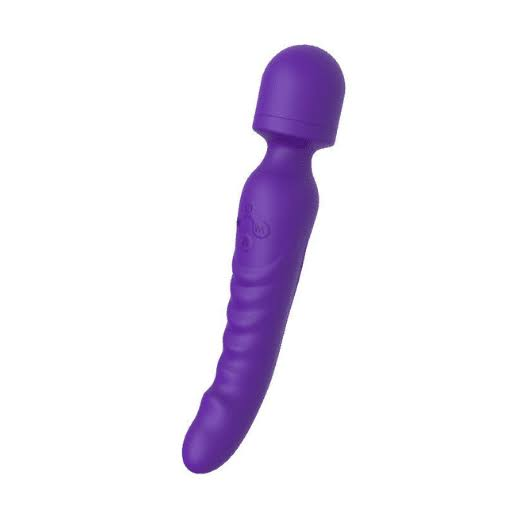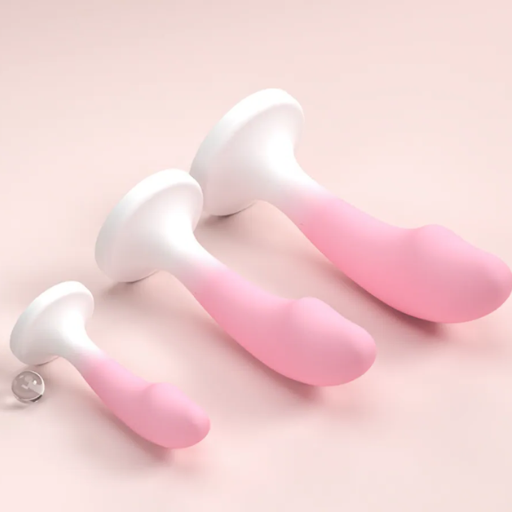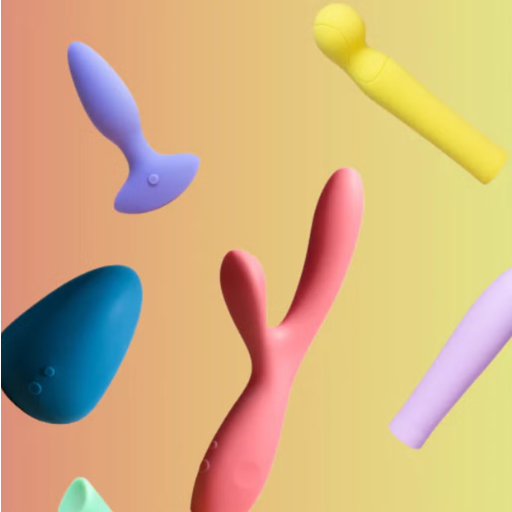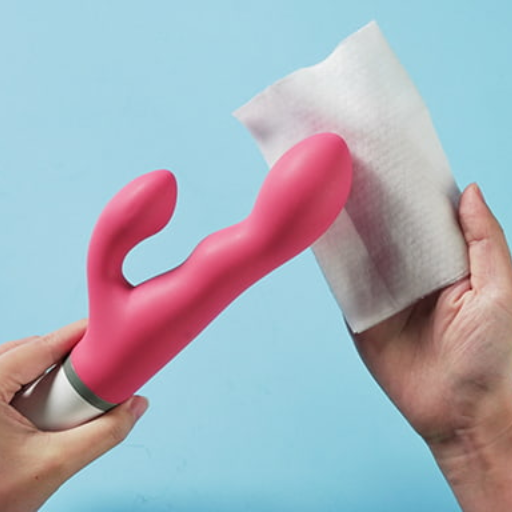

The adult product industry continues to advance through consumer demand for more authentic and durable and comfortable products. The development of realistic dildos results from thermoplastic elastomers (TPE), which successfully reproduce human skin texture while preserving their flexible and elastic properties. The process of manufacturing these products requires specific challenges which impact product quality and production speed and system growth. This blog post examines all technical difficulties which arise during the process of creating realistic TPE dildos starting from material development and continuing to mold construction and quality assurance procedures. The article will help you understand the difficulties involved in making realistic adult products while showing you the new methods manufacturers use to solve these problems.
Understanding TPE and Silicone in Adult Toys

Properties of TPE and Silicone Materials
According to recent search data insights from engine, consumers overwhelmingly prioritize safety and product longevity when choosing between these materials. The user inquiries “Are silicone sex toys safer than TPE?” and “What material lasts longer, TPE or silicone?” demonstrate how users now make product choices based on specific knowledge. The current industry trends for medical-grade silicone material usage in premium products show that manufacturers must satisfy customer demand for products which deliver both extended durability and hygienic protection.
Which Material Offers Superior Performance: TPE or Silicone?
The search engine data from recent times together with industry assessments show that the answer to which material performs better between TPE and silicone depends on the particular evaluation standards which scientists use to assess their performance.
| Factor | TPE | Silicone |
|---|---|---|
| Durability | Degrades with repeated use and environmental exposure | Excellent — resists heat, UV, and chemical breakdown |
| Hygiene & Maintenance | Porous — requires vigilant cleaning to prevent bacteria | Non-porous — easy to sanitize; boil-sterilizable |
| Flexibility | Highly flexible, soft, skin-like sensation | Less flexible but resilient and structurally stable |
| Cost | Economical — lower production and retail price | Higher cost — complex manufacturing process |
| Environmental Impact | Recyclable — can be melted and reshaped | Durable but recycling not widely implemented |
| Consumer Preference | Preferred for budget-conscious temporary use | Preferred for long-term safety and hygiene needs |
Users who need materials that provide extended service life together with safety features and simple cleaning processes should choose silicone because it meets their needs better than other materials. The TPE material provides organizations with an affordable solution which works well for projects that require less budget and do not need exceptional strength. The decision for TPE or silicone selection requires assessment of both usage requirements and consumer purchasing preferences.
Impact of Material Choice on User Experience
The selection of materials during design process creates tactile properties which determine how users will experience the product together with its operational characteristics and protective functions. Silicone provides a non-porous surface that maintains its smoothness and delivers hypoallergenic properties as well as easy maintenance because of its high heat resistance and chemical stability. Recent research data shows that people increasingly choose silicone products which manufacturers produce for medical needs and food-safe materials and advanced wearable devices because these products deliver dependable performance and secure usage.
TPE material functions as a flexible and adaptable solution yet its primary uses focus on economical needs which apply to temporary or single-use products. Its softer texture together with rubber-like surface properties makes it suitable for use in grips and ergonomic designs but silicone provides better heat resistance and extended product life. The public shows growing interest in TPE because people use it in making consumer products which include toys and affordable home goods that need temporary use. Material selection affects customer satisfaction and product durability and value assessment by customers which shows that businesses need to match material characteristics with user needs and product usage specifications.
Molding Techniques for Realistic TPE Dildos
Overview of Molding Processes for TPE
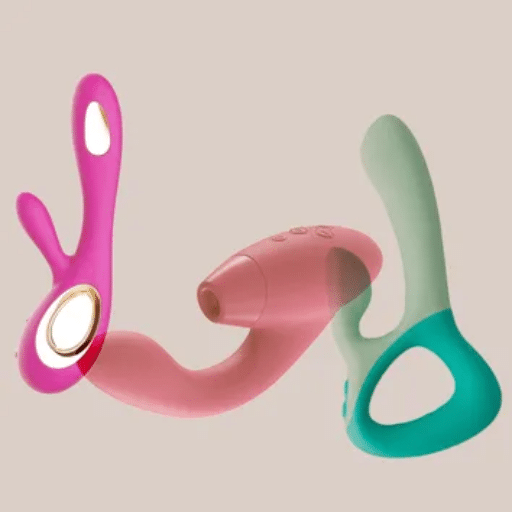
Advanced molding techniques in thermoplastic elastomer TPE product manufacturing include three methods which are injection molding compression molding and transfer molding. The most common method used in manufacturing processes is injection molding because it provides efficient operation together with accurate results and flexible application options. The injection molding process starts with TPE material which workers melt before they inject it into a mold cavity. The material then cools down to create three dimensional designs together with surface patterns needed to make authentic products. The process of compression molding allows for making bigger and less complex parts because operators put TPE material directly into molds which they then heat and press to create finished items.
According to the latest data from search trends, there is increasing consumer interest in understanding how TPE molding processes contribute to product quality in applications like adult products. Businesses need to enhance their existing techniques because they must deliver better product effects which include improved product realism and product durability and increased customer contentment. The alignment of search data with material development practices indicates a growing demand for innovations that bridge cost efficiency with performance, reinforcing the importance of tailoring molding processes to meet both functional and aesthetic requirements.
Challenges in Molding Realistic Shapes
The process of molding realistic shapes presents several technical challenges because it needs to achieve accurate detail replication and human texture imitation. Precision needs to be maintained through the process because molding errors which last only one minute will destroy product authenticity and operational capacity. The production of advanced molding techniques which include multi-material injection molding and 3D surface texturing needs dedicated machinery and exact system setup to deliver uniform output throughout manufacturing cycles. The industry continues to face difficulties because organizations need to balance their material performance requirements with their need to maintain budget-friendly operations which result in expensive skin-like materials.
Search data shows that consumers now prefer products which combine real-world visual appeal with practical product strength. The molding process requires advanced simulation tools and predictive models because customer demand requires this simulation to be integrated into the molding process. The technologies help to improve design precision while they prevent quality control problems which show up because industry standards are changing. Manufacturers can enhance their ability to fulfill complex customer needs by solving their problems through technological advancement and careful financial commitment.
Advancements in Molding Technology
Modern molding technology developments have begun to use intelligent systems which analyze operational data in real time to improve both production output and product quality. Through the integration of IoT (Internet of Things) devices and machine learning algorithms manufacturers can now monitor critical parameters such as temperature pressure and material flow with precision which ensures product consistency while decreasing operational waste. The inclusion of predictive maintenance systems further minimizes unplanned downtimes as machinery performance can be assessed proactively based on historical data trends. According to latest data research operations now show increasing interest in energy-efficient molding technologies which demonstrate the industry’s transition toward sustainable practices. These advancements not only streamline operations but also allow manufacturers to meet stricter environmental regulations and address consumer demand for eco-friendly products. By combining data-driven insights with innovative machinery the molding industry develops toward future operations which achieve better resilience and higher operational efficiency.
Quality Control in Manufacturing Sex Toys
Importance of Quality Control in TPE Products
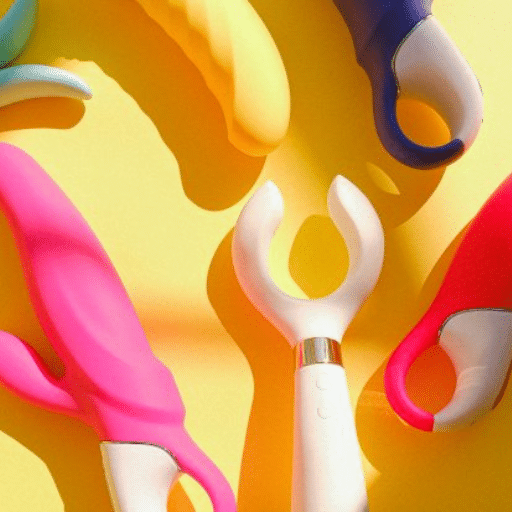
Manufacturers prefer thermoplastic elastomers (TPEs) for sex toy production because of their flexible properties and soft texture and skin-like appearance. TPE-based products require strict quality control procedures because they protect consumer safety and increase product lifespan and maintain regulatory compliance. Recent data shows that consumers increasingly prefer body-safe materials because online searches for non-toxic sex toys and phthalate-free TPE products have increased. The trend shows that companies must remove dangerous additives while they need to conduct laboratory assessments which test chemical stability and microbial resistance and material integrity.
The advanced quality control procedures of laser scanning and spectrophotometry enable the detection of material inconsistencies at microscopic levels. Manufacturers can use these techniques to check whether products meet exact standards which helps them decrease product flaws. The business advantages of these exact processes help manufacturers build customer loyalty while they comply with regulations like REACH and RoHS and they achieve market dominance in the expanding sexual wellness sector.
Testing Methods for Safety and Performance
Through their complete testing process, modern sexual wellness products achieve safety and operational performance standards before they become available to customers. Biocompatibility testing serves as an essential procedure that confirms materials will not produce harmful effects when they touch human skin or mucosal membranes. The process requires ISO 10993 standards to assess potential toxic effects through cytotoxicity and sensitization tests which measure risks to cellular functions and bodily systems. The testing process includes mechanical durability assessment which tests products under actual usage conditions to confirm their capacity to withstand multiple uses without developing structural damage.
Manufacturers now dedicate their efforts toward testing antimicrobial effectiveness to meet rising customer demands while following market patterns which search engine data reveals. With “antimicrobial protection” emerging as a frequently searched feature, products are evaluated for their ability to inhibit bacterial and fungal growth. This testing process conducts assessments according to ASTM and ISO standards which deliver specific criteria to measure antimicrobial product effectiveness.
Manufacturers use advanced testing methods together with search trend data to create safer products that fulfill market needs while maintaining user health and satisfaction.
Regulatory Standards and Compliance
Antimicrobial products achieve established safety and efficacy requirements through the implementation of regulatory standards and compliance procedures. The Environmental Protection Agency and the European Chemicals Agency maintain complete regulatory systems which control the registration and labeling processes of antimicrobial substances. The standards ensure that products which enter the market will provide effective protection against microorganisms while remaining safe for human use according to the recommended application methods.
Recent search engine data shows that people now search for product certification information which verifies compliance with regulatory standards. The search volume for “EPA-approved antimicrobials” and “ISO-certified safety” has increased because consumers want to know about product information which leads to higher accountability. Manufacturers are responding to this demand by following international standards which include ISO 22196 for testing antibacterial activity on plastics and non-porous surfaces and ASTM E2149 for testing antimicrobial performance in dynamic environments.
Companies achieve better product credibility through their compliance with these regulations and their ability to track current search patterns which enable them to educate customers about the extensive methods used to authenticate product safety and performance.
Lubricants and Maintenance for TPE and Silicone Toys
Choosing the Right Lube: TPE vs Silicone Toys
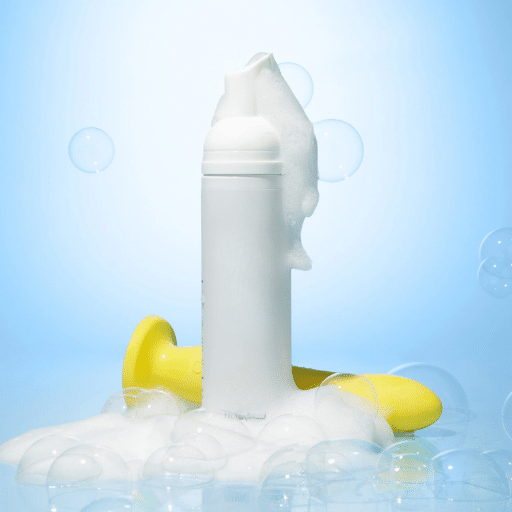
The process of selecting the right lubricant for TPE (thermoplastic elastomer) and silicone toys requires a complete understanding of material compatibility and user safety. The studies which search engine data tracked show that consumers want to understand which lubricants will protect their toys and make them last longer.
The implementation of these guidelines will enable maximum toy performance while extending the product’s usable lifespan. Water-based options have become the most popular lubricant for consumer searches because they provide safe and effective results which people recommend for TPE and silicone toys.
Maintenance Tips for Longevity of Adult Toys
- 01
Cleaning After Use
Users must perform immediate cleaning after usage through two options which include warm water with mild fragrance-free soap and special toy cleaners. The method prevents bacteria from growing while it makes the material last longer. Users can fully submerge waterproof toys for cleaning purposes but they must handle non-waterproof items with caution to keep electrical parts safe from harm.
- 02
Proper Storage Methods
Proper storage methods create essential requirements for item protection. Users need to establish safe storage methods which stop materials from degrading because current search trends show that users search for these methods. Users must store silicone or TPE toys inside breathable pouches or compartments which prevent dust entry while keeping the toys safe from direct product contact because this contact can create chemical reactions which damage materials. Users should keep their toys inside a cool dry area which receives no sunlight because this storage method helps maintain toy quality.
- 03
Correct Usage & Lubrication
The correct usage of these toys requires users to select suitable lubricants which operate well with their devices according to consumer search data which shows that water-based lubricants hold special importance. The lubricants protect fragile materials from damage while enabling users to experience smooth operation. The detailed maintenance practices help users maintain their products because these practices enable users to extend both performance and product lifespan.
Impact of Lubrication on Material Integrity
Researchers who investigate how lubrication impacts material integrity must choose the appropriate lubricant for their study. Water-based lubricants function as the most recommended protective solution for maintaining structural integrity of sensitive materials like silicone and latex according to current search engine trend data. The lubricants maintain chemical neutrality which prevents any chemical reaction that would damage the surface of the product. The use of oil-based or silicone-based lubricants creates a risk because these materials cause certain materials to expand and disintegrate which results in dangerous conditions and shortened operational life.
The data shows that consumers constantly look for guidance on which lubricants match their material needs because they want to achieve maximum product durability. The situation requires manufacturers to provide customers with detailed information about which lubrication methods they should select. Users of lubricants which protect material stability will receive two advantages because they will encounter reduced friction-related damage and their products will function properly during extended periods of use.
Market Trends and Consumer Preferences
Growing Demand for Realistic TPE Dildos
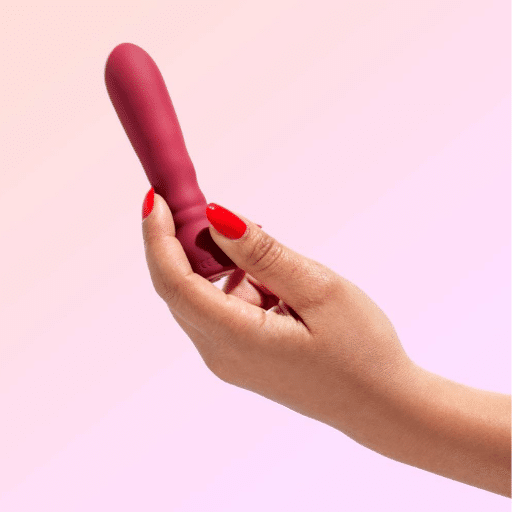
The market for TPE dildos which closely resemble real human anatomy has experienced increased consumer demand. The search engine data from trends and analytics shows that people currently seek realistic TPE (thermoplastic elastomer) dildos more than they did in previous times. The rise of consumer interest in authentic texture and visual appearance products occurs because users search for “realistic TPE dildos” and “lifelike adult toys” which become more common search terms. Product development in intimate items has reached a higher level of realism through material technology progress and people now expect better comfort. The search data shows that consumers actively pursue customizable options which they prefer to get their specific needs met. The current trend requires manufacturers to develop new materials which produce authentic designs while offering consumers personalized experiences to fulfill their changing needs.
Consumer Insights: Preferences in Adult Toys
The adult toy market provides important evidence about consumer preferences through its search engine data analysis. The search patterns show that consumers now prefer products which provide hidden features through their design and operational capabilities. Consumers prefer devices which operate silently together with designs that enable them to be hidden during storage or display. The data shows that public interest has doubled for sustainable and body-safe material research which has seen a huge increase in searches of the terms “silicone-safe adult toys” and “sustainable sex products.
People continue to show strong interest in customization because they want personalized products which include adjustable features and exchangeable parts and design options they can choose themselves. People need products which deliver effective results and match their personal lifestyle choices and environmental concerns and their need to maintain privacy according to current market demand.
Future Trends in the Adult Toy Industry
The adult toy industry currently exhibits three important development paths which include innovative product creation and special customer solutions and sustainable business practices according to recent search engine findings. The market is currently moving towards two technology products which include Bluetooth-enabled devices and app-compatible systems and artificial intelligence systems, which enable users to create customized solutions.
The market is moving towards Bluetooth-enabled devices, app-compatible systems, and artificial intelligence systems which enable users to create customized solutions.
People are actively searching for alternatives to both sustainable and recyclable packaging materials. Such factors are pushing manufacturers to utilize biodegradable or alternative feedstock bridging green chemicals.
The increasing need for gender-neutral products which include all anatomical body types requires packaging solutions that keep personal data secure and preserve customer privacy.
The growing demand for gender-neutral and anatomically diverse products shows that businesses now develop solutions which target wider and more varied market segments. The current market trend has shifted away from conventional gender roles while businesses now focus on making their products more accessible to all customers. The data shows that customers now prefer products which feature packaging that protects their personal information and maintains their privacy. Consumers are demanding products that can be purchased and stored with minimal visibility, underscoring the ongoing need for discretion in this industry. Companies can establish themselves as market leaders by implementing emerging trends which will help them succeed in a modern competitive business environment.
Frequently Asked Questions
Q1
Which material is superior for dildo construction: platinum silicone or TPE?
Your material choice depends on your specific priorities because platinum silicone and TPE represent two distinct polymer materials with unique characteristics. Platinum-cured silicone is a pure silicone rubber that is non-porous and meets strict biocompatibility requirements and medical-grade or body-safe silicone certification becomes available when the material is obtained through proper sourcing. TPE adult toys and products made from thermoplastic elastomer are softer and more flexible, giving a squishy feel that some users prefer, but they tend to be porous and can harbor bacteria if not cleaned carefully. The product design of silicone lube alternatives permits complete cleaning through boiling because they work effectively with silicone materials. TPE requires less maintenance than other materials because it needs water-based lubrication to prevent product damage. The selection process requires you to examine three aspects of the toy: its surface design, its built-in electronics such as vibrators, and its compliance with both medical device certification standards and toy material safety regulations.
Q2
What differences exist between jelly rubber and silicone regarding safety and tactile experience?
Manufacturers offer jelly rubber as a soft squishy material which serves as a low-cost thermoplastic that emits a distinct chemical scent from its original packaging. The material of jelly rubber which contains empty spaces tends to increase the chance of bacterial contamination because germs can enter through these spaces, so users need to be careful when handling porous surfaces and they should not use such surfaces for internal work. The manufacturing standards for silicone-based dildos which use liquid silicone rubber and medical-grade TPE differ from each other because pure silicone material has non-porous properties which make it simple to clean while medical devices-grade materials need to pass strict testing procedures for biocompatibility. Users who want a more comfortable experience should choose thermoplastic elastomer products or medical-grade TPE items that promise skin-like flexibility but need to verify product maintenance guidelines and water-based lubricant compatibility. The selection of material for your product determines its ability to withstand time and simple maintenance procedures.
Q3
What should I know about care and how to clean a TPE toy or jelly rubber item?
Because TPE toys and jelly rubber items have porous surfaces which attract bacteria more than silicone and glass materials, their cleaning process needs special attention. The daily cleaning process should use warm water and gentle soap while users should avoid using strong disinfectants because these products will harm thermoplastic rubber and create more intense chemical odor. The manufacturer should be contacted for deeper cleaning instructions because some toys contain internal components which include a vibrator. Users should not share TPE products and thermoplastic elastomer items without using a protective barrier, and they should avoid using boiling or high-temperature sterilization methods which work with silicone products. TPE material requires water-based lubricant because it prevents TPE material from breaking down and users should keep their toys in a dust-free storage area to protect their final appearance. The manufacturer will provide stringent care instructions which medical-grade TPE equipment and medical device standard toys require to maintain their surface condition and extend their operational life.
Q4
Does silicone molding with platinum catalyst techniques impact quality in high-quality silicone dildos?
The molding and curing methods which involve platinum-cured silicone with platinum catalyst processing determine how pure and durable and how well the silicone dildo maintains its final shape. Platinum-cured silicone products which use platinum catalyst processes produce superior purity and stability compared to older peroxide-cured silicones which result in silicone surfaces that pass body-safe silicone standards and will not release harmful substances. The combination of liquid silicone rubber and proper platinum silicone molding allows manufacturers to create non-porous surfaces that maintain their cleanliness after sanitization while working with both silicone and water-based lubricants. The highest safety standards require users to choose medical-grade silicone or food-grade silicone while they should verify if the product documentation includes platinum-cured silicone and medical-grade details.
Q5
How do I choose the right material between silicone or TPE, and what about alternatives like ABS plastic?
The selection of material requires assessment of tactile needs and safety requirements and product operational needs because silicone provides non-porous surfaces which allow for complete sanitization while TPE delivers flexible soft textures and ABS plastic delivers solid non-porous surfaces which manufacturers use to create rigid vibrator products. If you value long-term hygiene and easy cleaning, pure silicone or platinum-cured silicone is often the best material because it is less likely to harbor bacteria and can meet stringent biocompatibility standards. Medical-grade TPE and high-quality thermoplastic elastomer products provide users with a softer experience that mimics human skin although these materials require users to apply water-based lubricant and perform special cleaning procedures because they have permeable surfaces. Avoid jelly rubber or cheap materials like unregulated jelly that smell strongly or contain phthalates; instead, look for products made from body-safe materials like platinum silicone, ABS plastic for housings, or medical-grade formulations. The assessment process requires you to evaluate product attributes which include silicone lube compatibility and vibrator presence and manufacturing organization certifications to determine if the product meets required standards for toy materials and sex toy manufacturing.
Reference Sources
- 01
A Novel Approach for Study of Straightness in Commercially Used Metal RodsExplores the straightness and material properties of metal rods, including 8mm stainless steel, in industrial applications.
- 02
Identification of the Production of Small Holes and Threads in Stainless SteelFocuses on advanced technologies for processing stainless steel, emphasizing precision and material behavior.
- 03
Mechanical Tensile Testing and Metallurgical Investigation of Stainless SteelExamines the tensile behavior and metallurgical properties of stainless steel under various conditions.