
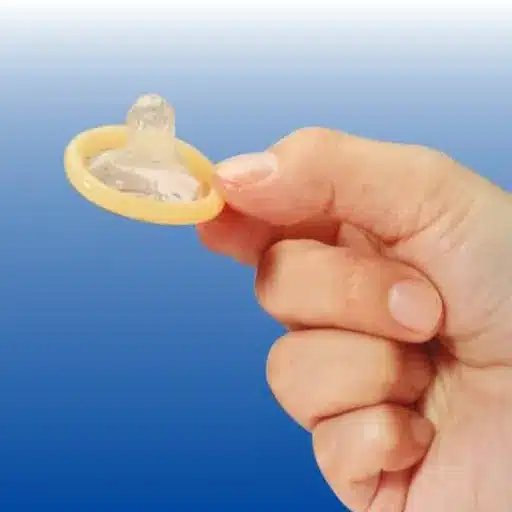
The male condom has been, and still is, one of the highly preferred and most effective methods of contraception, providing protection against both unintended pregnancies and sexually transmitted infections (STIs) at the same time. However, even with such a wide application, its effectiveness can be impacted when users are not fully aware of its correct application or misunderstand it. The present paper delivers an in-depth analysis of the male condom from several angles like its importance, practical advantages, and the essentials that enhance trustworthiness and productivity. The quality of the insights given in the guide is meant to be suitable for anyone from a beginner using condoms to an expert wishing to expand his/her knowledge of the subject.
Types of Condoms
Latex Condoms
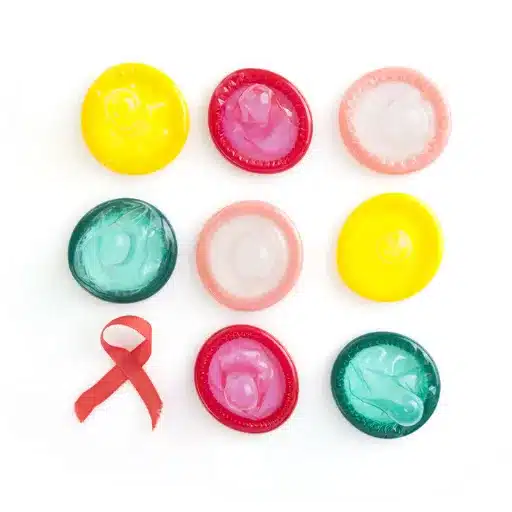
Latex condoms are the most widely used variety of condom, demonstrating high efficacy when used correctly and consistently. These condoms, made from natural rubber latex, function as a barrier against STIs and unplanned pregnancies.
Effectiveness Statistics
- Perfect Use: 98% effective in preventing pregnancy
- Typical Use: Approximately 85% effective due to human error
- STI Protection: Highly successful in decreasing infection risk for HIV, gonorrhea, and chlamydia when used properly in every sexual activity
Important Consideration: Individuals with latex allergies should use polyurethane or polyisoprene condoms as alternatives to avoid adverse reactions.
Non-Latex Condoms
Non-latex condoms are primarily designed for individuals with latex allergies or sensitivities, providing efficient protection against both pregnancy and STIs when used correctly. These condoms are typically manufactured from polyurethane, polyisoprene, or lambskin (natural membrane condoms), each offering unique properties.
| Material | Characteristics | STI Protection |
|---|---|---|
| Polyurethane | Thinner and less stretchy than latex; provides natural feel; requires careful handling | ✓ Effective |
| Polyisoprene | Synthetic rubber with latex-like stretch; hypoallergenic properties | ✓ Effective |
| Lambskin | Natural membrane; porous material | ✗ Not Effective (pregnancy prevention only) |
Recent data suggests that non-latex condoms are equally effective as latex condoms for pregnancy prevention and STI reduction when used properly and consistently, providing significant advantages for varied user needs.
Specialty Textured Condoms
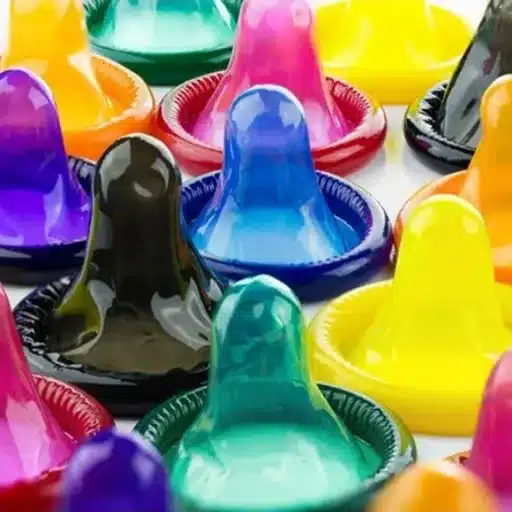
Specialty textured condoms feature unique designs—ribbed, studded, and various other patterns—that create different surface textures and expand stimulation and sensitivity experienced by both partners.
Consumer Interest Insight
Lately, data from search engines show an increase in consumer interest in textured condoms as the possible sources of better sexual satisfaction. Studies also support that these designs can be the reason for people feeling more during intercourse, thus being the preferred option for the couples who want to experiment or bring intimacy closer. Above all, textured condoms, if used right, give the exact protection from pregnancy and STIs as regular condoms do.
Benefits of Using a Male Condom
Prevention of Sexually Transmitted Infections (STIs)
Condoms, particularly male condoms, serve as highly effective barrier methods not only for HIV but also for other STIs including chlamydia, gonorrhea, syphilis, and human papillomavirus (HPV). According to the Centers for Disease Control and Prevention (CDC), latex condoms used correctly and consistently lower the chance of STI transmission by approximately 98%, making them an indispensable component of sexual health practices.
✓ Best Practices for STI Prevention
- Use condoms consistently during every sexual activity for optimal protection
- Store condoms properly, avoiding heat and sharp objects to maintain material integrity
- Combine condom use with regular STI testing
- Maintain open communication with partners about sexual health
Current search engine data shows growing global interest in STI prevention, signaling increased awareness of safe sex practices. Male condom use, combined with these additional measures, represents one of the most approachable and cost-effective methods to reduce STI transmission.
Effective Birth Control Method
When considering contraceptive effectiveness, studies consistently highlight various methods with different success rates:
| Method | Typical Use Effectiveness | Perfect Use Effectiveness |
|---|---|---|
| Male Condoms | ~85% | 98% |
| Combined Oral Contraceptives (The Pill) | ~91% | >99% |
| LARCs (IUDs, Implants) | >99% | >99% |
Combined oral contraceptives emit planned doses of estrogen and progestin that halt ovulation, thicken the cervical mucus so that sperm cannot enter, and lower the endometrial lining. Long-acting reversible contraceptives (LARCs) are getting more and more attention because they are easy to use and their typical-use efficacy rates are higher which means that the user error possibilities that often reduce short-term method effectiveness are eliminated.
Important Note
With the help of mobile health apps, the public has become more aware of the most reliable birth control methods, and the apps are also making it easier for the users to stick to their selected methods. One’s personal lifestyle, accessibility, and medical history are still the leading factors that determine which contraceptive method is the best fit for the individual.
Enhancing Sexual Pleasure
Recent search engine data shows high interest in evidence-based ways to enhance sexual pleasure. Research and surveys reveal that beyond open communication between partners and discovering mutual preferences, several factors contribute to increased satisfaction:
Factors That Enhance Sexual Experience:
- 🔹 Use of body-safe products such as lubricants and sex toys
- 🔹 Application of mindfulness techniques
- 🔹 Pelvic floor exercises for better sensitivity and control
- 🔹 Medical treatment for physiological concerns
- 🔹 Focus on emotional intimacy and mutual consent
Combining these approaches with proper condom use enriches sexual experiences in safe and satisfying ways.
How to Use a Male Condom Correctly
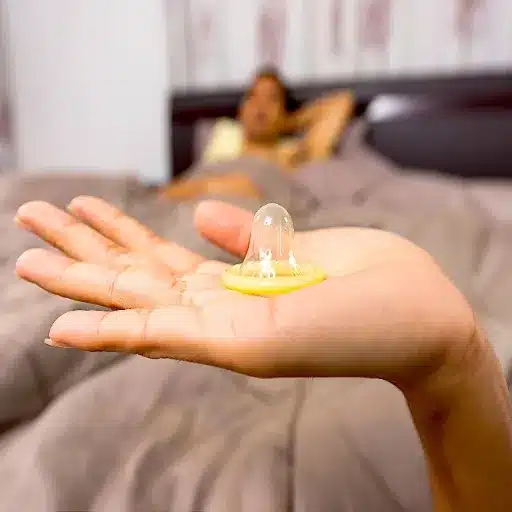
Step-by-Step Application Guide
Check the Expiration Date and Packaging
To begin with, verify the expiration date on the condom package as a first step to confirm that the condom is functioning properly. An expired condom is to a great extent made from a deteriorated material which poses a greater risk of breaking; on top of that, inspect the outer covering for tears or other forms of damage. Always steer clear of condoms in damaged packets, since this will surely lessen their effectiveness.
Open the Package Carefully
With your hands, slowly and gently rip the wrapper along the edge. Do not use pointed items such as scissors or teeth because they might unintentionally make holes in the condom.
Determine the Proper Orientation
Make sure that the rolled edge is facing outwards before putting the condom on the penis. This helps the condom to unroll easily. Incorrect orientation makes it hard to apply and can also lessen the effect.
Pinch the Tip to Remove Air
Gently pinch the condom tip to leave room for sperm collection. Eliminating air from the tip reduces breakage risk during use.
Unroll the Condom Fully
After grasping the tip, put the condom on the penis head that is hard and with the help of your other hand slide it down the penis until it is at the bottom. It must smoothly and entirely unroll for the best protection.
After Use – Proper Removal and Disposal
Following the ejaculation, you should hold the condom securely at the bottom and then pull out gently. Take it off while the penis is still erect to prevent any leakage. Throw the condom in a trash can; do not flush it down because it may lead to clogging of the pipes.
📊 Current Search Trends
Recent search trends indicate that there is a growing knowledge and curiosity about the different methods of condom use which are effective in preventing STIs and unplanned pregnancies. The main worries that users have and which lead them to search the internet are occasional breaking, slipping, and choosing the right size. If these matters are tackled by means of educational campaigns, there will be a huge increase in condom use in terms of both effectiveness and user trust.
Common Mistakes to Avoid
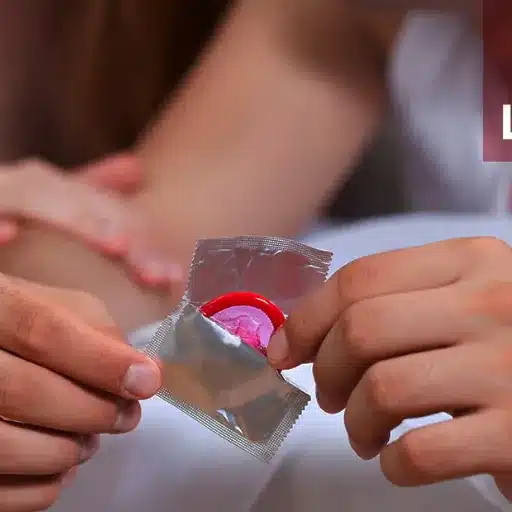
⚠ Critical Errors That Reduce Condom Effectiveness
❌ Using Expired Condoms
Using expired condoms is one of the very frequent errors committed by the users. Over time, the material gets worse and the chances of breaking increase. The searches for condom lifespan have gone up significantly, so there is a need for campaigns that will educate the public on proper storage and usage practices.
❌ Improper Storage
Condoms can be damaged by extreme temperatures (both hot and cold) and exposure to sharp objects (like putting them in your wallet). The frequent online searches for “What caused my condom to break?” show that there are still some cases of improper storage.
❌ Failure to Check for Damage
A regular error made is not very carefully inspecting a condom before using it for any cuts or flaws. It is very helpful and significant to train the users to do quick visual and tactile checks as they usually having a hard time in finding the damaged ones.
❌ Incorrect Application
The application steps of condoms still baffle a lot of people, considering that proper placement keeps coming up as one of the recurring questions. The most common mistakes associated with condom usage are not pinching the reservoir tip to remove air and thus causing breakage or decreased effectiveness.
❌ Reusing Condoms
Data reveals sporadic spikes in searches related to condom reuse. Though seemingly obvious, some users remain unaware that condoms are single-use only. Reusing condoms tremendously increases STI and unintended pregnancy risks.
Educational programs addressing these areas with detailed, accessible information can solve widespread user concerns while promoting safer practices.
Storage and Handling Tips
Proper storage and handling preserves condom integrity and effectiveness. Online data highlights heat or pressure as main factors negatively affecting condom safety.
✓ Storage Best Practices
- Store condoms in cool, dry places away from excessive heat and direct sunlight
- Avoid leaving condoms in wallets or back pockets for extended periods
- Keep condoms away from sharp objects that could puncture packaging
- Check expiration dates on packaging before use
- Inspect condoms for visible damage before use
Adhering to these guidelines guarantees maximum protection and minimizes material failure risk during use.
Debunking Common Misconceptions about Male Condoms
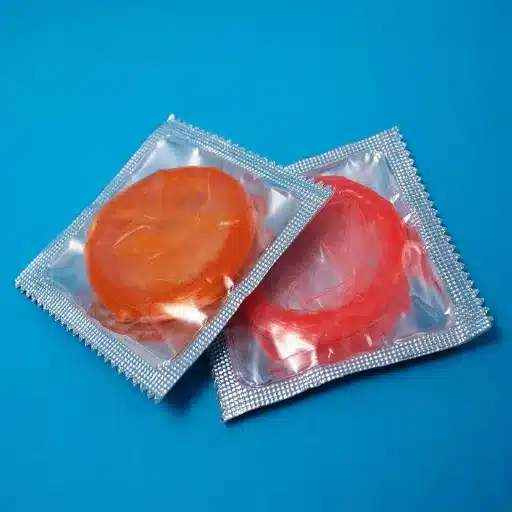
Myths about Condom Effectiveness
Several commonly held beliefs about condom effectiveness persist despite contradictory evidence:
| Myth | Reality |
|---|---|
| Condoms are only 70-80% effective | Per the CDC, condoms are 98% effective with consistent and proper use. Lower effectiveness rates relate to user error, not condom failure. |
| Condoms break frequently | Evidence shows breakage occurs in only ~2% of uses with proper application and compatible lubricants. Oil-based lubricants weaken latex—a leading cause of failure. |
| Condoms reduce intimacy | Many studies demonstrate that lubricated or ultra-thin condoms provide comfort and maintain sensitivity without compromising safety. |
Informing people about these myths using evidence-based information liberates them from misconceptions and stimulates responsible use.
Concerns about Sensation and Pleasure
Search data reveals that sensation and pleasure rank among the most searched concerns regarding condom use. Common queries include “do condoms decrease pleasure?” and “best condoms for sensation,” indicating ongoing skepticism.
What Research Shows
By advancements in condom technology, practically all previous worries have been wiped out. Ultra-thin condoms have the ability to provide the same level of sensitivity as human skin without sacrificing safety and durability. Condoms that are lubricated also bring about comfort which in turn contributes positively to the total experience. Systematic literature reviews indicate that the acceptance of less pleasure during the use of condoms is more of a personal opinion and is thus related to psychological or cultural matters rather than being rooted in the design of the condom.
Combining modern innovations with education, awareness, and accurate information dissemination likely continues diminishing stigma or reluctance to use condoms.
Misunderstandings about Condom Allergies
Allergic reactions to condoms are among the most common misunderstandings leading to unnecessary avoidance of these effective protective barriers. Most allergic reactions from condom use are latex-related, with proteins in natural rubber causing sensitivity in some individuals.
Key Facts
- Only approximately 1% of the general population has true latex allergy
- Many skin irritations or discomfort during condom use result from inadequate lubrication or sensitivity to chemicals like spermicides or fragrances—not allergic reactions
- Non-latex condoms made from polyisoprene or polyurethane lack latex proteins, offering equivalent protection and sensitivity
Recent data shows consistent search query patterns focusing on “non-latex condom options” and “can condoms cause irritation,” indicating increased interest in understanding alternatives. Separating real medical issues from temporary irritability through proper consultation and testing with medical professionals reduces misinformation and promotes safe practices.
Current Public Health Trends and Condom Use
Awareness and Education on the Rise
Search engine data recently indicates increasing public interest in safe sexual practices and barrier methods like condoms. Search trends portray rising interest in queries about “best condom types,” “latex-free condoms,” and “how to use condoms correctly.”
Impact of Digital Education:
The role of digital channels in public health education has been highlighted as these platforms are the ones providing scientifically backed information that is both accessible and accurate. Detailed sexual education including condom use advantages with explicit directions is associated with a positive change of safe practices. With the existence of online availability plus the targeted campaigns, this can be viewed as a multi-channel strategy that helps individuals make informed decisions thus leading to lower rates of STI and unplanned pregnancies.
Condom Access and Availability
Search engine analytics reveal noticeable changes in public interest regarding condom availability and usage trends. Terms like “Where to buy condoms?”, “condom vending machines near me,” and “discreet condom shopping” have experienced search spikes, indicating growing need for non-judgmental and accessible purchasing options.
Accessibility Initiatives
Condom supply should be integrated and made available in:
- Pharmacies and convenience stores
- Public restrooms (through vending machines)
- Online platforms with delivery services
- Community health centers
Geographic data analysis indicates access level differences, with rural areas most affected—showing fewer condom-related inquiries, potentially signaling limited local availability or reduced awareness. Addressing this requires expanded distribution channels and online platform utilization for education and delivery services.
Condoms’ Role in Sexual Health Campaigns
Search engine data shows significant fluctuations in different areas concerning condom-related topic searches. These insights support adjustment of sexual health campaigns to better fit local needs.
| Search Activity Level | Campaign Strategy |
|---|---|
| High Search Activity | Reinforce positive behaviors by marketing ease, dependability, and health benefits of condom usage |
| Low Search Activity | Implement targeted educational initiatives to eliminate stigma, misinformation, or lack of knowledge as barriers |
The combination of search analytics and public health data gives authority to the stakeholders to come up with different campaigns for various audiences. This approach not only assures that the communication is culturally correct but also customized to the specific issues of the community which in turn will result in greater participation and better health outcomes. The utilization of digital data sources such as search trends results in the proper allocation of resources which makes the public health interventions more effective and powerful.
Frequently Asked Questions (FAQ)
❓ How do condoms work and how effective are they?
The use of condoms creates a physical barrier that prevents the sperm from gaining access to the partner’s body, thus categorizing condoms as one of the most reliable and efficient methods for family planning together with the protection against STIs. Evidence consists of proper and consistent condom use drastically reducing both pregnancy risk and STI infection risk, but still, the effectiveness of typical use is lower than perfection. Latex, polyurethane, or polyisoprene are the materials for the condom and the material could be the one that makes it restriction or allergy causing. Having sexual intercourse every time with a condom gives further protection and having a new condom each time does away with the risks from wear and tear or damage. In case the condom breaks or slips off during sex then the chances of pregnancy or transfer of STIs increase-consider the use of emergency contraception and STI testing if that is the case.
❓ When should I use a condom and why?
When it comes to avoiding both STIs and pregnancies, the best way is to constantly and everywhere practice the use of condoms during all sexual actions. This is especially true if either partner has multiple partners or if there is uncertainty with respect to STI situation. To gain maximum protection, make sure to put the condom on properly for each time it is used. On top of that, condom use gives the added benefit of disease protection which is not the case with other birth control options; hormonal contraceptives may reduce the risk of unintended pregnancy but do not prevent STIs. Always use a fresh condom for every single occasion of sexual contact; never share condoms and do not keep them in your wallet as warmth and friction can break them down. Though friction and consequently breakage are less likely to happen with lubricated condoms, if you need more lubricant, use one that is compatible with condom materials. The non-use of condoms or incorrect use greatly increase the probability of both pregnancy and STI transmission.
❓ How do I put a condom on properly?
To put a condom on correctly, first of all, you have to hold it very carefully while opening the package along the edge so that it does not tear. Only the use of non-expired and undamaged condoms is allowed. The application should take place before any contact between the genitals in order to avoid exposure to semen or infected fluids. Pinch the tip to leave room for sperm and roll the condom down until it is at the base of the penis so that it fully covers the shaft, making sure that it is at the base in order to reduce the chance of slipping. If necessary, use lubricant—water-based or silicone-based lubricants are safe with latex condoms while oil-based can break the latex; different condom materials might need different care.
❓ Can I use an external condom instead of female condoms, and what’s the difference?
Basically, a male external condom is the regular condom covering the penis, whereas a female condom is the internal barrier that is placed inside the vagina; if both are used right, they can keep apart pregnancy and STIs. Condoms can be coupled with different genders and activities as risk minimization methods. External condoms are generally chosen by some partners as the easier option, while others will go for the internal condom if their wish is to have personal control over the insertion. Condoms are usually lubricated for the purpose of friction reduction and comfort enhancement, while some are ribbed or textured for additional sensation. It is a big no to wear two condoms at the same time (external + external or external + internal) because the friction and breaking possibility will be greater—make use of one condom properly at a time. In the case of choosing internal condoms, painstakingly read the instructions as they are different from those for external condoms regarding their insertion and removal.
❓ What should I do to remove the condom and ensure I use a new condom next time?
After the ejaculation is over, the penis should still be erect, so to withdraw the condom hold it at the penis base so it doesn’t slide off. Subsequently, take the condom off carefully and then tie or wrap up before disposal so that no spilling occurs. Avoid using your teeth to open condom packages or to remove condoms since it might lead to tearing, which would make them less effective and do not use torn or damaged condoms. Extremely thin condoms are considered barriers that demand utmost care and proper storage; they should not be kept in wallets or hot spots; condoms in wallets are likely to break. Always take a new condom for every new sexual encounter rather than reusing one, also check the expiration date and the package for any damage before use. In the event that a condom breaks or an unwanted pregnancy happens, think of emergency contraception, and STI testing should be done for both partners if necessary.