A realistic private label sex toy launch costs 3,500to3,500to15,000 for most founders, with premium custom projects reaching 20,000to20,000to40,000 or more. The exact figure depends on your customization level, first order size, and how many hidden costs you plan for before you open pre-orders.
Most online sex toy business startup costs are misleading. They blend dropship sellers, retail shop owners, and private-label founders into one bucket, which hides the real private-label sex toy startup costs of someone launching their own branded product. This guide gives you manufacturer-side numbers, not founder guesses. You will see three private-label budget tiers, the fees competitors rarely mention, a week-by-week cash flow timeline, and a copyable budget template you can adapt today.
Key Takeaways
- A lean private label sex toy startup costs roughly 3,500−3,500−7,000, a standard launch 8,000−8,000−18,000, and a premium custom launch 20,000−20,000−40,000+.
- Hidden fees, including samples, mold tooling, color matching, third-party testing, payment reserves, and liability insurance, can add 2,000−2,000−8,000 to the headline quote.
- Private label gross margins typically fall between 40-70%, roughly 20-40% higher than wholesale or dropship margins.
- Most founders break even after selling 150-400 units, depending on landed cost and retail price.
- Starting with one SKU, factory-standard colors, and a low-MOQ manufacturer like Joyflick keeps early cash needs manageable without cutting quality corners.
What Counts as a Private Label Sex Toy Startup Cost?
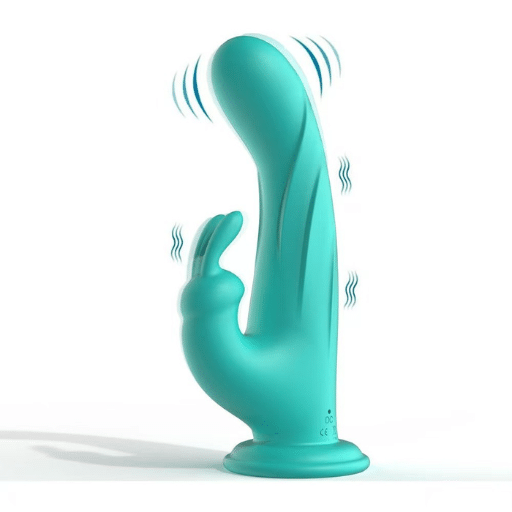
Private label means you sell products manufactured by a partner under your own brand name, logo, and packaging. You do not own the original design, but you control the brand presentation. In cost terms, this sits between white label, where you simply rebrand an existing item, and OEM/ODM, where you may co-develop or fully custom-design a product.
Private label sex toy startup costs are the one-time or front-loaded expenses required before you can legally sell your first unit. Operating expenses, such as monthly software subscriptions, ongoing ads, or payroll, are separate. For clarity, this guide treats the following as private label sex toy startup costs:
- First inventory order and sample runs
- Legal business formation and trademarks
- Branding, packaging design, and packaging production
- Website setup and e-commerce tools
- Initial compliance testing and certifications
- Payment processor setup and reserve requirements
- Product photography and launch marketing
Recurring costs like warehousing, customer service tools, and ad spend are noted where they affect cash flow timing, but they are not included in the startup total.
Private Label Sex Toy Startup Cost Breakdown by Budget Tier
The tables below assume you are sourcing factory-direct from an ISO-certified manufacturer, not buying through a distributor. Prices vary by product category, but these ranges reflect realistic 2026 quotes for vibrators, personal massagers, and similar body-safe devices.
Lean Launch: 3,500−3,500−7,000
This tier works for founders who want to validate demand before scaling their private label sex toy budget. You choose a catalog product, add your logo and custom packaging, and order the minimum quantity.
| Cost Category | Estimated Range | Notes |
|---|---|---|
| First inventory order | 1,500−1,500−3,000 | 300-500 units at low-MOQ private label pricing |
| Samples and shipping | 200−200−500 | 2-3 samples plus express freight from factory |
| Logo and packaging design | 300−300−800 | Can use template-based design to save cost |
| Packaging production | 400−400−900 | Boxes, inserts, and branding materials |
| Business formation | 100−100−500 | LLC or equivalent, plus EIN |
| Website and e-commerce | 200−200−600 | Shopify or WooCommerce setup, theme, apps |
| Payment processor setup | 0−0−300 | Some high-risk processors charge onboarding fees |
| Initial product photography | 200−200−500 | Basic white-background and lifestyle shots |
| Launch marketing | 300−300−700 | Influencer seeding, email tools, small ad test |
| Total | 3,200−3,200−7,800 | Tightest launches can reach $3,500 with discipline |
A lean launch is the right fit if you are testing one SKU, have a small audience, and want proof of concept before committing larger capital.
Standard Launch: 8,000−8,000−18,000
This tier adds more customization, a slightly larger first order, and professional support for branding and compliance.
| Cost Category | Estimated Range | Notes |
|---|---|---|
| First inventory order | 3,000−3,000−6,000 | 500-1,000 units with better unit economics |
| Samples and shipping | 400−400−800 | Multiple rounds for color and packaging approval |
| Custom color matching | 500−500−1,500 | Per custom Pantone or factory color development |
| Logo and packaging design | 800−800−2,000 | Professional designer or agency support |
| Packaging production | 1,000−1,000−2,500 | Rigid boxes, foil stamping, or eco-friendly materials |
| Business formation + trademark | 500−500−1,500 | Trademark filing adds 250−250−750 |
| Website and e-commerce | 500−500−1,500 | Premium theme, custom pages, email flows |
| Payment processor setup | 300−300−800 | High-risk gateway, possible rolling reserve |
| Third-party testing | 500−500−1,500 | CE, RoHS, or FDA-related testing for one SKU |
| Product photography and video | 500−500−1,500 | Professional shoot for ads and product pages |
| Launch marketing | 1,000−1,000−3,000 | Paid social, influencer outreach, PR seeding |
| Total | 8,000−8,000−18,000 | Most sustainable launch band for new brands |
The standard tier is where most serious founders land. It gives you enough inventory to fulfill early demand and enough polish to compete on quality and branding.
Premium/Custom Launch: 20,000−20,000−40,000+
This tier is for founders who want a unique product shape, custom electronics, or a multi-SKU launch from day one.
| Cost Category | Estimated Range | Notes |
|---|---|---|
| First inventory order | 5,000−5,000−12,000 | 1,000+ units across one or more SKUs |
| Mold/tooling fees | 2,000−2,000−15,000 | Simple texture changes start around 2,000−2,000−4,000 |
| Custom color matching | 1,000−1,000−3,000 | Multiple colors or special finishes |
| Industrial design / R&D | 2,000−2,000−8,000 | For truly custom shapes or features |
| Logo, branding, packaging | 2,000−2,000−5,000 | Full brand identity and premium packaging |
| Legal, trademarks, contracts | 1,000−1,000−3,000 | IP protection and manufacturing agreements |
| Website and e-commerce | 1,500−1,500−4,000 | Custom storefront, subscription features |
| Payment processor and reserves | 1,000−1,000−3,000 | Higher reserve requirements for larger volume |
| Compliance testing | 1,500−1,500−4,000 | Multi-market certifications |
| Photography, video, launch PR | 2,000−2,000−6,000 | Campaign-ready creative assets |
| Launch marketing | 3,000−3,000−10,000 | Paid acquisition, influencer campaigns, events |
| Total | 20,000−20,000−40,000+ | Depends heavily on tooling and SKU count |
At this level, you are effectively building a mini product line rather than testing a single item. The upside is stronger differentiation; the downside is higher cash tied up before you know what sells.
Hidden Private Label Sex Toy Startup Costs Most Founders Miss
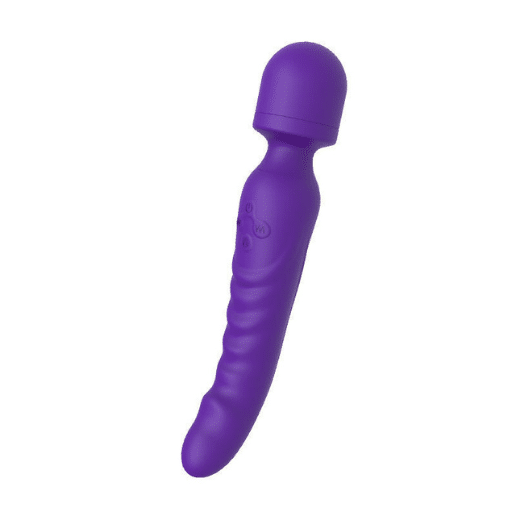
The headline manufacturing quote is rarely the full story. Here are the hidden fees that surprise first-time founders and when they typically appear as part of private label sex toy startup costs.
Samples and sample shipping. Factory samples usually cost 50−50−200 each, but express freight from Asia can add 100−100−300 per round. Plan for two or three rounds before final approval.
Mold and tooling fees. Even minor shape changes require new tooling. Simple texture or logo embossing may run 2,000−2,000−4,000, while fully custom shapes can exceed 8,000−8,000−15,000. Ask who owns the mold if you switch suppliers later.
Color matching. A custom color outside the factory standard palette costs 500−500−1,500 per color. Starting with factory-standard colors in your first order eliminates this.
Third-party testing and certifications. CE, RoHS, REACH, and FDA-related testing can run 500−500−4,000 depending on product complexity and target markets. Some manufacturers bundle testing; others require you to arrange it separately.
Payment processor reserves and higher fees. Adult merchants often pay 2.49% to 5-15% per transaction, plus rolling reserves of 5-15% held for 30-180 days. That reserve is real cash you cannot access immediately.
Product liability insurance. Expect 1,500−1,500−3,000 per year for basic coverage. Some payment processors and retailers require it before you can sell.
Returns and defective-unit reserves. Even with excellent quality control, plan for a 2-5% reserve for returns, replacements, or minor defects in your first batch.
Customs, duties, and freight forwarding. Depending on incoterms and destination country, freight, customs clearance, and duties can add 10-25% to your landed inventory cost.
One founder we advised budgeted 6,000forastandardlaunchbutendedupspending6,000forastandardlaunchbutendedupspending9,400 because she paid for two sample rounds, a custom color, and a $900 third-party lab test she had not planned for. The product still launched successfully, but the cash timing nearly delayed her pre-order fulfillment by three weeks.
Cost Comparison: Private Label vs. White Label vs. OEM/ODM
Understanding the sourcing model helps you choose the right budget tier. The table below compares the most common approaches.
| Sourcing Model | Startup Cost | Typical MOQ | Customization | Timeline | Best For |
|---|---|---|---|---|---|
| White Label | 1,500−1,500−4,000 | 50-200 units | Logo/packaging only | 2-6 weeks | Fastest validation with lowest risk |
| Private Label | 3,500−3,500−18,000 | 300-1,000 units | Colors, materials, packaging, branding | 8-16 weeks | Building a differentiated brand |
| ODM | 8,000−8,000−25,000 | 500-2,000 units | Modified existing designs | 12-20 weeks | Unique features without full R&D |
| OEM | 20,000−20,000−50,000+ | 1,000+ units | Fully custom design | 20-40 weeks | Established brands with IP ownership goals |
Private label offers the best balance for most new founders. It is more flexible than white label and less capital-intensive than full OEM. If you want to explore the differences in depth, read our guide to private label sex toys and our comparison of OEM vs. ODM manufacturing.
Week-by-Week Cash Flow Timeline for Private Label Sex Toy Startup Costs
Knowing when each cost hits matters as much as knowing the total. Below is a typical private label cash flow timeline.
Weeks 1-4: Legal, samples, and supplier vetting
- Business formation and trademark filing: 100−100−1,000
- Sample orders and express shipping: 200−200−800
- Supplier vetting and factory audit questions: mostly time
Weeks 5-8: Design and pre-production
- Logo and packaging design: 300−300−2,000
- Color matching deposit: 500−500−1,500
- Prototype or production sample approval: 200−200−500
Weeks 9-12: First order, website, and payment setup
- First inventory deposit or full payment: 1,500−1,500−12,000
- Website build and app setup: 200−200−4,000
- Payment processor application and onboarding: 0−0−800
Weeks 13-16: Production, shipping, and compliance
- Production balance payment: remainder of inventory cost
- Third-party testing: 500−500−4,000
- Freight forwarding, customs, duties: 10-25% of inventory value
Weeks 17-20: Launch marketing and fulfillment
- Product photography and video: 200−200−6,000
- Launch ads and influencer outreach: 300−300−10,000
- Packaging assembly and first shipments: labor or 3PL setup
By week 12, most founders have spent 60-70% of their total startup budget, even though no customer has received a product yet. This is why cash flow planning is just as important as the headline total.
How to Reduce Private Label Sex Toy Startup Costs Without Cutting Corners
You can lower your private label sex toy startup costs without sacrificing quality or compliance.
Negotiate a trial order. Ask your manufacturer for a 300-unit trial instead of a 1,000-unit opening order. At Joyflick, trial orders start at 300 units, which lets you test demand before scaling.
Start with one SKU. Launching three products at once triples your sample, testing, photography, and packaging costs. One strong SKU is easier to market and easier to fulfill.
Use factory-standard colors initially. Skip custom color matching on your first order. You can always introduce a signature color once you have sales data.
Bundle certifications with your manufacturer. Some factories include CE, RoHS, and REACH documentation as part of the order. Confirm what is covered before you pay a third-party lab separately.
Choose a low-MOQ, ISO-certified partner. High minimums force you to tie up cash in inventory you have not proven you can sell. A partner with low MOQs and certified production gives you flexibility without compromising safety.
If you are unsure which sourcing model fits your budget, our guide on how to start a private label adult toy brand walks through the decision step by step.
Simple Private Label Sex Toy Startup Costs Budget Template
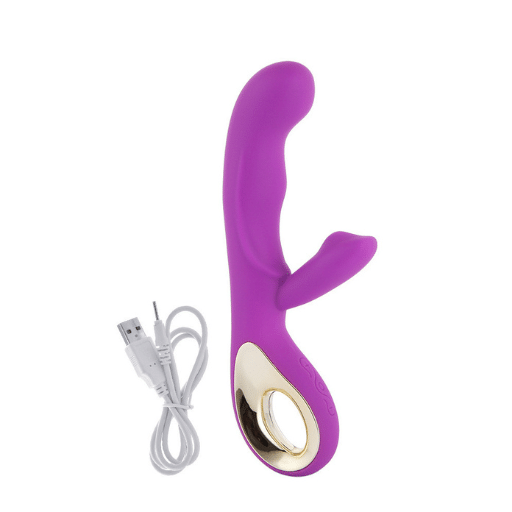
Copy the table below into a spreadsheet and replace the estimates with your actual quotes.
| Category | Estimated Cost | Timing | Notes |
|---|---|---|---|
| First inventory order | $ | Week 9-12 | Confirm MOQ and incoterms |
| Samples and shipping | $ | Week 1-4 | Plan for 2-3 rounds |
| Customization/color matching | $ | Week 5-8 | Skip if using standard colors |
| Mold/tooling fees | $ | Week 5-8 | Only for custom shapes |
| Logo and packaging design | $ | Week 5-8 | Use templates to reduce cost |
| Packaging production | $ | Week 9-12 | Box, insert, and label printing |
| Business formation/trademark | $ | Week 1-4 | Include annual registered agent fees |
| Website and e-commerce | $ | Week 9-12 | Theme, hosting, apps |
| Payment processor setup | $ | Week 9-12 | Include reserve impact |
| Third-party testing | $ | Week 13-16 | CE, RoHS, REACH, FDA-related |
| Product photography/video | $ | Week 13-16 | Needed for ads and product pages |
| Launch marketing | $ | Week 17-20 | Ads, influencers, PR |
| Liability insurance | $ | Annual | Often required by processors |
| Freight/customs/duties | $ | Week 13-16 | 10-25% of inventory value |
| Contingency (10-15%) | $ | Ongoing | Covers defects, returns, delays |
| Total Startup Cost | $ |
Add a 10-15% contingency line. There is almost always one unexpected expense, and the buffer keeps your launch on schedule.
Return on Investment: When Will Your Private Label Sex Toy Startup Costs Break Even?
Private label gross margins in the adult toy space typically range from 40-70%, which is 20-40% higher than wholesale or dropship margins, according to manufacturer pricing analysis.
Here is a simple break-even example for a standard launch:
- Landed cost per unit: $6
- Retail price: $29
- Gross margin: 79%
- Gross profit per unit: $23
- Total startup cost: $12,000
- Break-even units: 12,000/12,000/23 = 522 units
If your marketing cost per acquisition is 8,yournetprofitperunitdropsto8,yournetprofitperunitdropsto15, and break-even rises to 800 units. That is still achievable for a focused launch, but it shows why customer acquisition cost matters as much as manufacturing cost.
Founders who keep their first order small and sell through owned channels, such as email and organic social, often break even faster than those who rely entirely on paid ads from day one.
Frequently Asked Questions
Can I start a private label sex toy brand for under $5,000?
Yes, but it requires discipline. A lean launch of 3,500−3,500−5,000 is possible if you choose a catalog product, use factory-standard colors, design your own packaging with a template, and order the minimum quantity. You will trade polish and customization for speed and validation.
What is the highest hidden cost?
Payment processor reserves and higher fees are often the biggest surprise. Adult merchants frequently face rolling reserves of 5-15% and transaction rates well above standard e-commerce rates. These reserves tie up cash for 30-180 days after each sale.
How much inventory should I order first?
For a private label launch, 300-500 units is a sensible starting point if your manufacturer supports low MOQs. It is enough to fulfill early demand and generate reviews without overcommitting capital. You can learn more about low-volume manufacturing in our article on low MOQ adult toy manufacturing.
Do I need a lawyer before launch?
You do not need a lawyer for a basic launch, but you should form a legal entity, have clear terms of service and privacy policies, and confirm your product complies with target market regulations. For custom designs or mold ownership, a manufacturing agreement reviewed by a lawyer is strongly recommended.
Do I need product certifications for private label toys?
Yes. At minimum, you should verify CE marking for Europe, RoHS compliance for electronics, and material safety for your target market. Some markets also require FDA-related registration or testing. Our guide to adult toy certifications breaks down the requirements by region.
Can Joyflick help with low-MOQ private label?
Yes. Joyflick specializes in low-MOQ private label manufacturing starting at 300 units, with ISO-certified production, body-safe materials, and full branding and packaging support. You can request a custom quote to match your budget and product goals.
Conclusion
Private label sex toy startup costs are manageable when you plan for the full picture, not just the per-unit manufacturing quote. Most founders can launch for 3,500−3,500−7,000 if they stay lean, while a more polished, differentiated launch lands in the 8,000−8,000−18,000 range. Premium custom projects can exceed $20,000, but those are better suited to founders with proven demand or established audiences.
The founders who succeed are the ones who map cash flow timing, budget for hidden fees, and start with one SKU before scaling. They also choose manufacturing partners who offer transparency, low minimums, and certified quality from the start.
If you are ready to turn your budget into a real product line, contact Joyflick for a custom quote. Our team can help you match the right sourcing model, MOQ, and customization level to your startup budget.