Selling sex toys legally requires product safety certifications, age verification systems, accurate labeling, proper business licensing, and compliant payment and shipping practices. The exact rules depend on where you manufacture, where you sell, and what claims you make in your marketing.
Maya learned this the hard way. She launched her direct-to-consumer brand with a sleek Shopify store and a hot social campaign. Sales looked great for three weeks. Then her payment processor froze payouts because her site lacked an age-gate policy, and customs held her first international order for missing CE documentation. The shipment sat in Rotterdam for 11 days while she scrambled for a declaration of conformity she had never requested from her supplier.
That story is more common than most founders expect. This guide breaks down the legal requirements for selling sex toys so you can launch, ship, and scale without compliance surprises. You will learn which certifications apply to your target markets, what documents to demand from your manufacturer, and how to build a compliance stack that satisfies regulators, retailers, and insurers.
Key Takeaways
- Sex toys are generally not regulated as medical devices unless you make therapeutic or disease-treatment claims.
- U.S. sellers need consumer-product safety compliance; EU sellers need CE marking, GPSR documentation, REACH, and RoHS compliance.
- Age verification, discreet packaging, and clear labeling are legal and commercial requirements in most major markets.
- Your manufacturer should provide a CE declaration of conformity, material test reports, ISO 9001 certificate, and battery transport certifications for powered products.
- Product liability insurance, batch traceability, and a documented recall plan protect your brand if something goes wrong.
Are Sex Toys Regulated as Medical Devices?
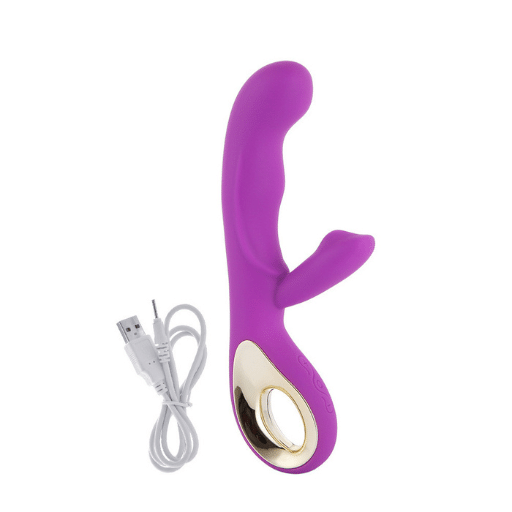
The short answer is usually no. In most jurisdictions, sex toys are treated as consumer products, not medical devices, as long as they are marketed for pleasure, wellness, or general intimate use. Understanding this distinction is the first step in sorting out the legal requirements for selling sex toys in your target market.
U.S. FDA position
The U.S. Food and Drug Administration (FDA) regulates medical devices based on intended use. A vibrator marketed for sexual pleasure is generally not a medical device. However, if the same device claims to treat erectile dysfunction, incontinence, or another medical condition, FDA oversight likely applies. The agency also enforces rules against adulterated or misbranded products under the Federal Food, Drug, and Cosmetic Act.
Even without FDA device classification, sex toys sold in the United States must meet general consumer product safety standards. The Consumer Product Safety Commission (CPSC) can recall products that present electrical, chemical, or mechanical hazards. Phthalate bans, small-part risks, and battery safety all fall under this umbrella.
EU and UK framework
In the European Union, sex toys are regulated under the General Product Safety Regulation (GPSR). Manufacturers and importers must maintain a technical file, perform a risk assessment, and ensure products are safe before placing them on the market. The EU does not classify standard pleasure products as medical devices unless therapeutic claims are made.
The United Kingdom now operates under the UK General Product Safety Regulations 2005 and requires UKCA marking or CE marking with UK-specific arrangements during ongoing transitional periods. Post-Brexit labeling and responsible economic operator requirements add extra steps for brands selling into Great Britain.
Why marketing claims matter
One misplaced phrase can change your regulatory category. Words like “treats,” “cures,” “therapy,” or “medical-grade” can push a product from consumer wellness into medical-device territory. That shift triggers registration, clinical evidence, and quality-system requirements that most startups are not prepared to meet.
Stick to wellness, pleasure, and lifestyle language. “Designed for comfort” is fine. “Treats pelvic pain” is not, unless you have the regulatory evidence to support it. This distinction is one of the most overlooked sex toy business regulations.
Required Certifications and Testing
Compliance starts at the factory. The certifications you need depend on your product type, materials, and target markets. This section covers the adult toy compliance certifications most brands will need.
FDA-related requirements for the U.S. market
The FDA does not issue a specific “sex toy approval.” Instead, U.S. compliance relies on general safety principles. Understanding FDA regulations for sex toys means focusing on intended use, material safety, and general consumer product rules rather than a single approval certificate. Products that contact mucous membranes should use body-safe materials tested for biocompatibility. Common tests include cytotoxicity, sensitization, and irritation assays.
Food-contact and cosmetic safety principles under 21 CFR also influence material selection. Silicone, ABS plastic, and certain TPE formulations are widely used because they can be tested and documented. Reputable manufacturers provide migration testing and material safety data sheets to support your U.S. distribution.
CE marking for the European Union
CE marking is mandatory for many products sold in the EU. For sex toys, compliance typically involves the General Product Safety Directive obligations or GPSR, plus electrical safety directives for powered devices. When brands ask about CE mark sex toys, they are usually looking for the Declaration of Conformity, technical file, and test reports that back the mark. Your technical file should include:
- Risk assessment covering mechanical, electrical, chemical, and thermal hazards
- Test reports for materials and electronics
- Declaration of Conformity (DoC) signed by the manufacturer or authorized representative
- Instructions for use, safety warnings, and cleaning guidance
- Traceability records including batch or lot numbers
Market surveillance authorities can request this file at any time. Without it, your products can be removed from marketplaces and destroyed at your expense.
RoHS and REACH
RoHS restricts hazardous substances like lead, cadmium, mercury, and certain flame retardants in electrical and electronic equipment. REACH governs chemical registration, evaluation, and authorization in the EU. It also requires disclosure of Substances of Very High Concern (SVHCs) above threshold limits.
If your product contains electronics, rechargeable batteries, or complex plastics, you need RoHS test reports and REACH compliance documentation. These are not optional add-ons. Major retailers and marketplaces increasingly require them before listing adult products.
ISO 9001 and ISO 13485 relevance
ISO 9001 is a quality management system standard. A manufacturer with ISO 9001 certification has documented processes for design, production, inspection, and corrective action. That matters when a retailer or insurer asks, “How do you know your supplier is reliable?”
ISO 13485 is the medical-device quality management standard. It becomes relevant if you move into therapeutic products or medical-adjacent devices. For standard sex toys, ISO 9001 is usually sufficient. Working with an ISO-certified manufacturer is one of the simplest ways to reduce regulatory risk.
Electrical and battery safety
Powered toys face additional requirements. In the EU, this means CE-LVD (Low Voltage Directive) and CE-EMC (Electromagnetic Compatibility). In the United States, FCC Part 15 regulates electromagnetic emissions for electronic devices.
Lithium batteries add another layer. UN 38.3 testing is required for most lithium-ion cell shipments, and proper material safety data sheets (MSDS or SDS) must accompany hazardous materials. Freight forwarders and airlines will reject improperly documented battery shipments.
Joyflick provides ISO-certified production and supports clients with CE, FDA, and RoHS documentation. Request a quote to review the exact certificates your product line needs.
Labeling and Packaging Requirements
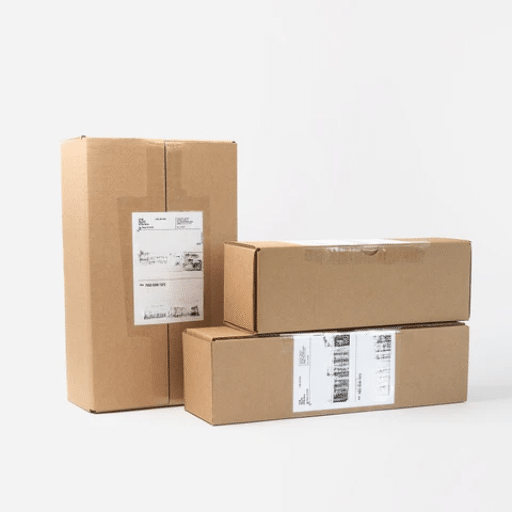
Labels are not just branding. They are legal documents that tell regulators, retailers, and consumers what the product is, who made it, and how to use it safely.
Required label elements
Most markets require the following information on the product or its immediate packaging:
- Manufacturer or importer name and address
- Country of origin
- Material composition
- Care and cleaning instructions
- Safety warnings
- Batch or lot number
- Model or SKU identifier
Missing any of these can result in customs delays, retailer rejections, or consumer complaints that trigger liability claims. Document every label version and keep proofs on file.
Language requirements
The EU and UK require labels and instructions in the language of the country where the product is sold. Selling in Germany? You need German. Selling in France? You need French. Some brands use multi-language booklets to cover several markets in one package, but the primary label must still meet local rules.
The United States does not have a federal language mandate for most consumer products, but California Proposition 65 warnings and some state laws have specific wording requirements. Always check the state with the strictest rules if you sell nationwide.
Discreet packaging
Discreet outer packaging is both a customer expectation and a practical safeguard. Plain boxes without product images or explicit wording protect buyer privacy and reduce handling issues during shipping.
However, discretion does not mean hiding required information. Customs declarations and shipping labels must accurately describe the contents for classification and duty purposes. The phrase “personal massage device” or “health and wellness product” is often acceptable on outer packaging, but outright false declarations can lead to seizures and penalties.
Custom packaging for adult toys can solve both problems. Joyflick designs market-ready packaging that protects privacy while meeting labeling rules.
Age Verification and Age Restrictions
Adult products are age-restricted in virtually every major market. Your website, payment flow, and shipping process must reflect that. Getting age verification right is essential for selling sex toys online legally.
Minimum age by market
In the United States, the standard minimum age is 18. Most EU member states and the United Kingdom also set 18 as the threshold. Some markets have additional local restrictions or specific rules for online sales.
The legal age is only the starting point. Regulators and payment processors also care about whether you take reasonable steps to enforce it. A buried disclaimer is not enough.
Website age gating
Age gates range from simple click-through confirmations to identity-verification systems. The right approach depends on your risk tolerance, sales volume, and processor requirements.
Click-through age gates ask users to confirm they are of legal age before entering the site. They are easy to implement and common in the industry. However, they offer limited legal protection because users can simply click “yes.”
Identity-verification systems check government IDs or use third-party age-verification services. These are stronger but add friction and raise data privacy concerns. Many brands use a layered approach: click-through for browsing, stricter verification for checkout or high-value orders.
Privacy and data handling
Age verification creates personal data. In the EU and UK, GDPR rules require lawful basis, data minimization, and clear retention policies. California’s CCPA/CPRA gives consumers rights over their data. Collect only what you need, encrypt it, and delete it when no longer required.
Overcollecting data can create legal exposure beyond privacy fines. If you store IDs or birthdates, you become a more attractive target for breaches. Document your age-verification policy and train customer service staff on it.
Business Licensing and Tax Requirements
Compliance is not only about the product. Your business entity, tax setup, and import documentation must also be correct. These operational details are easy to overlook, but they are part of the legal requirements for selling sex toys in most markets.
Business structure
Most adult toy founders choose an LLC or corporation to limit personal liability. A sole proprietorship is simpler but exposes personal assets to business debts and lawsuits. Given the product-liability risks in this industry, a formal business entity is strongly recommended.
Some jurisdictions require special licenses for adult businesses. Check city, county, and state rules before you launch. Even if no special license is required, a general business license and registered trade name may be necessary.
Sales tax and VAT
In the United States, sales tax nexus rules apply. If you have inventory in a state, employees there, or exceed economic nexus thresholds, you must collect and remit sales tax. Adult toys are generally taxed as tangible personal property, though a few states have historically imposed special taxes on adult products.
In the EU and UK, value-added tax (VAT) applies to most adult products. You need a VAT number or use marketplace-facilitator rules if selling through Amazon or similar platforms. VAT registration, invoicing, and reporting requirements vary by country and sales volume.
Import and export licenses
Importing adult toys requires an Employer Identification Number (EIN) in the United States or a VAT/EOORI number in the EU. You may also need an importer of record (IOR) if you use a third-party logistics provider.
Harmonized System (HS) codes classify products for customs. Adult toys commonly fall under chapters for rubber or plastic articles, electrical apparatus, or massage devices, depending on construction and function. Using the wrong code can cause delays, incorrect duties, or penalties. A customs broker experienced with adult products is worth the cost.
Shipping, Customs, and Import/Export Rules
Getting products from the factory to the warehouse to the customer requires more than a shipping label. Shipping and customs rules are a practical side of the legal requirements for selling sex toys that many founders underestimate.
Customs documentation
A complete customs entry usually includes:
- Commercial invoice with accurate product description and value
- Packing list
- Certificate of origin
- CE declaration of conformity or other compliance certificates
- Material safety data sheets for batteries or hazardous components
- Bill of lading or airway bill
Customs authorities can request additional documentation, especially for first-time importers or products with electronics. Keep digital and physical copies organized by shipment.
Restricted countries
Some countries prohibit or heavily restrict adult toys. Saudi Arabia, the United Arab Emirates, India, Malaysia, and several others have laws that can lead to seizure, fines, or legal action. Do not rely on generic advice. Verify current customs and import regulations for each country before shipping.
Even within permitted markets, conservative regions may create delivery challenges. Carrier policies, local customs interpretation, and cultural norms all affect whether a shipment reaches the customer.
Freight and battery shipping
Battery-powered toys must comply with IATA dangerous goods regulations for air freight and IMO rules for ocean freight. UN 38.3 testing, proper packaging, and correct hazard labels are non-negotiable.
Work with freight forwarders who have experience shipping adult products. They understand documentation nuances and can route shipments to avoid unnecessary inspections or delays. Low MOQ adult toy manufacturing lets you test markets with smaller shipments, reducing your exposure to customs surprises.
Payment Processing and Advertising Compliance
Adult products are classified as high-risk by most payment processors and advertising platforms. This affects fees, reserve requirements, and whether you can advertise at all.
High-risk payment processing
Adult industry chargeback rates average around 9.2%, roughly three times general e-commerce, according to ZipDo. Higher chargeback rates make banks cautious. Most mainstream processors either prohibit adult products outright or place them in restricted categories.
High-risk merchant accounts are designed for this situation. Providers like CCBill, Epoch, and specialized adult payment gateways understand the industry. They will ask for compliance documentation, age-verification policies, refund policies, and processing history. Be prepared to share your terms of service and privacy policy.
Marketing restrictions
Major advertising platforms restrict adult content. Meta, Google, TikTok, and Snapchat all have policies that limit or prohibit ads for sex toys. Violations can lead to ad rejection, account suspension, or permanent bans.
The most durable marketing strategies focus on education, community, and organic channels. SEO, email marketing, influencer partnerships, and content marketing build audiences without relying on ad platforms that may change their policies overnight. For a deeper look, read our guide on how to market sex toys online.
Product Liability, Insurance, and Recalls
No matter how careful you are, things can go wrong. A battery overheats. A customer has an allergic reaction. A retailer claims a label is misleading. Your legal and financial defenses determine whether the issue is manageable or catastrophic.
Product liability insurance
Product liability insurance covers claims arising from injuries or damages caused by your products. Typical policies include general liability, product liability, and sometimes cyber liability for data breaches.
Insurers increasingly ask for compliance documentation before quoting. They want to see test reports, certifications, quality systems, and recall plans. A manufacturer that cannot provide these documents may make your coverage more expensive or unavailable.
Recall and traceability
Traceability means you can identify where every unit came from, when it was made, and where it went. Batch records, lot numbers, and supplier documentation make this possible. Without traceability, a recall becomes nearly impossible to execute.
A mock recall tests your system before a real crisis. Pick a batch number, trace it through production and shipping, and verify you can contact every customer who received it. Document the results and fix any gaps.
Customer complaints and adverse events
Every complaint is a signal. Document product failures, injuries, allergic reactions, and returns. Serious incidents may need to be reported to regulators like the CPSC in the United States or market surveillance authorities in the EU. A documented complaint log also helps defend against lawsuits by showing you took reports seriously.
Compliance Documentation Checklist
Documentation is the bridge between factory compliance and brand protection. Here is what to request from your manufacturer and what to maintain on your side.
Factory-side documents to request
- CE Declaration of Conformity
- Test reports for materials, electrical safety, and batteries
- ISO 9001 certificate
- RoHS and REACH compliance statements
- Material safety data sheets (MSDS/SDS)
- Batch or lot traceability records
- Factory audit reports or quality agreements
Brand-side documents to maintain
- Technical file with risk assessment
- Label proofs and packaging artwork approvals
- Insurance certificates
- Age-verification and privacy policies
- Terms of service and refund policies
- Supplier agreements with compliance clauses
- Complaint and recall logs
Joyflick clients receive launch-ready compliance documentation as part of our custom adult toy manufacturing services. This includes CE, FDA, and RoHS support so you can focus on building your brand instead of chasing certificates.
Country and Region Quick Reference
Different markets emphasize different rules. Use this table as a starting point for your compliance planning.
| Market | Key Regulations | What to Prioritize |
|---|---|---|
| United States | FDA general safety, CPSC, state obscenity laws | Material safety testing, business licenses, sales tax nexus |
| European Union | GPSR, CE marking, REACH, RoHS | Technical file, DoC, responsible economic operator, multilingual labels |
| United Kingdom | UK GPSR, UKCA/CE marking, post-Brexit labeling | UK importer details, labeling language, customs documentation |
| Canada | Health Canada Consumer Product Safety Act | CCPSA compliance, bilingual English/French labeling |
| Australia | ACCC product safety, Australian Consumer Law | ACL guarantees, supplier identification, safety standards for electronics |
This table is a summary, not legal advice. Regulations change, and local interpretation matters. Consult a qualified attorney or compliance consultant before entering a new market.
Conclusion
The legal requirements for selling sex toys span product safety, certifications, labeling, age verification, business licensing, shipping, payment processing, and liability protection. Missing any one of these can stall a launch, trigger a recall, or close a sales channel.
The brands that win are the ones that treat compliance as a product feature, not an afterthought. They choose manufacturers who document everything. They build age verification into the purchase flow. They keep labels accurate, insurance current, and recall plans ready.
You do not need to figure this out alone. Joyflick partners with brands to deliver ISO-certified production, body-safe materials, and the compliance documentation major markets demand. Start a private label adult toy brand with confidence, or contact Joyflick today to review the certificates your product line needs.
Disclaimer: This guide is for educational purposes and does not constitute legal, tax, or regulatory advice. Consult qualified professionals for decisions affecting your specific business.